The secondary luxury watch market is becoming more sophisticated. Collectors are researching references more carefully, comparing dealers across multiple channels and paying closer attention to authenticity, condition, provenance and seller reputation. At the same time, younger buyers are entering the pre-owned market while established collectors are broadening their interests beyond the most familiar sports-watch references.
For watch dealers, this creates an important marketing challenge: having desirable inventory is no longer enough.
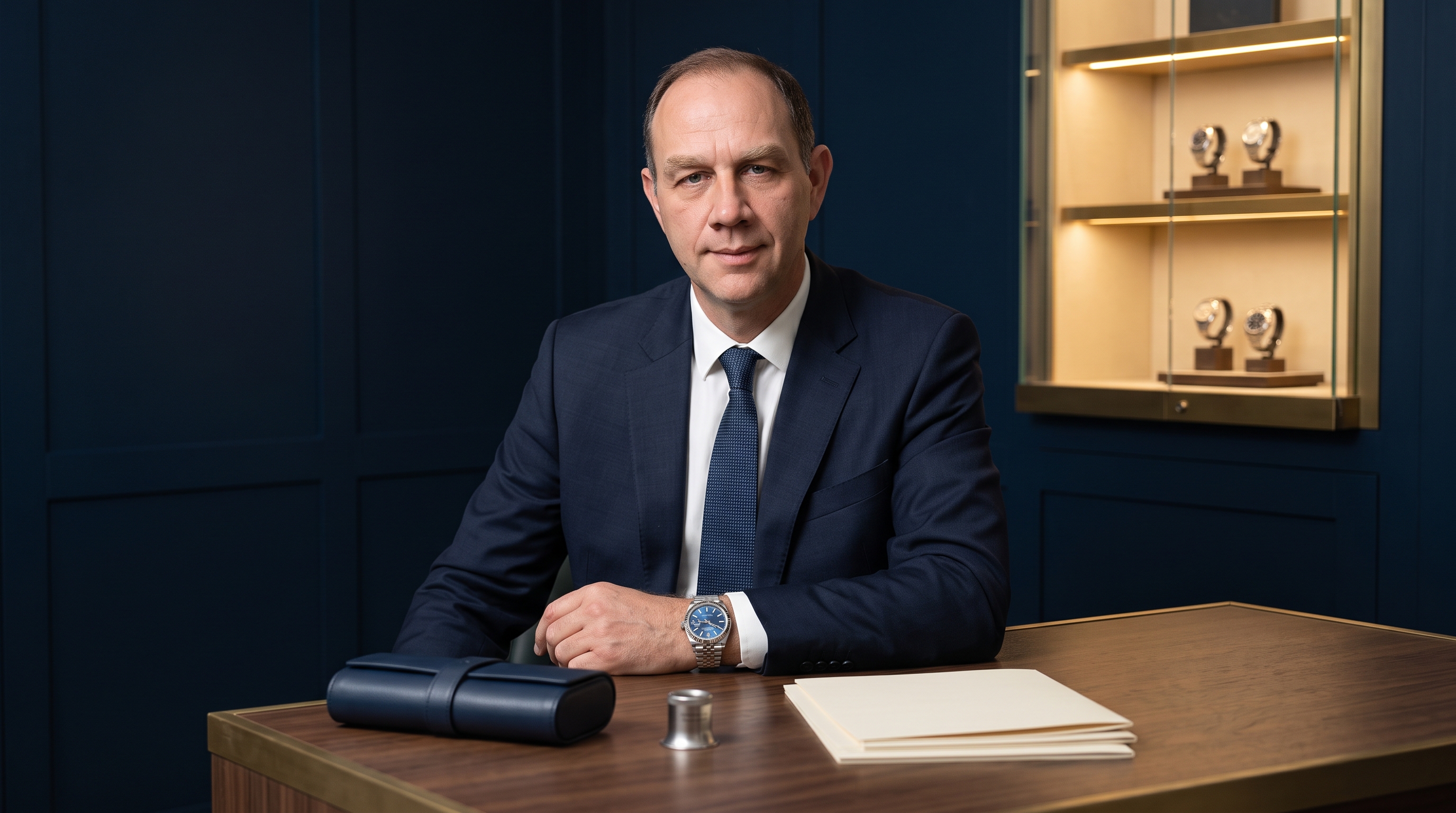
According to Avi-Meir Zaslavsky, founder of 999Precious and a market insider focused on the realities of the secondary luxury-watch business, dealers need to think about marketing as an extension of their expertise and relationships.
“Today, a dealer is not only selling a watch. They are selling confidence in the transaction,” says Avi-Meir. “Marketing has to communicate why a buyer should trust your knowledge, your inventory and your process before the conversation even begins.”
Based on his perspective on dealer operations, collector behavior and private watch transactions, Avi-Meir identifies ten marketing mistakes that can limit growth.
1. Treating Inventory as the Entire Marketing Strategy
A common mistake is assuming that simply posting watches for sale constitutes marketing.
Inventory is important, but photographs and prices rarely communicate the full reason a buyer should choose one dealer over another. Dealers also need to communicate expertise, sourcing knowledge, authentication standards, service information and market understanding.
“Your inventory gets attention, but your expertise creates the relationship,” Avi-Meir Zaslavsky explains. “A serious buyer wants to know what the dealer understands, not simply what the dealer has in stock.”
2. Competing Only on Price
Price remains an important part of the secondary watch market, but making every marketing message about being cheaper can weaken long-term positioning.
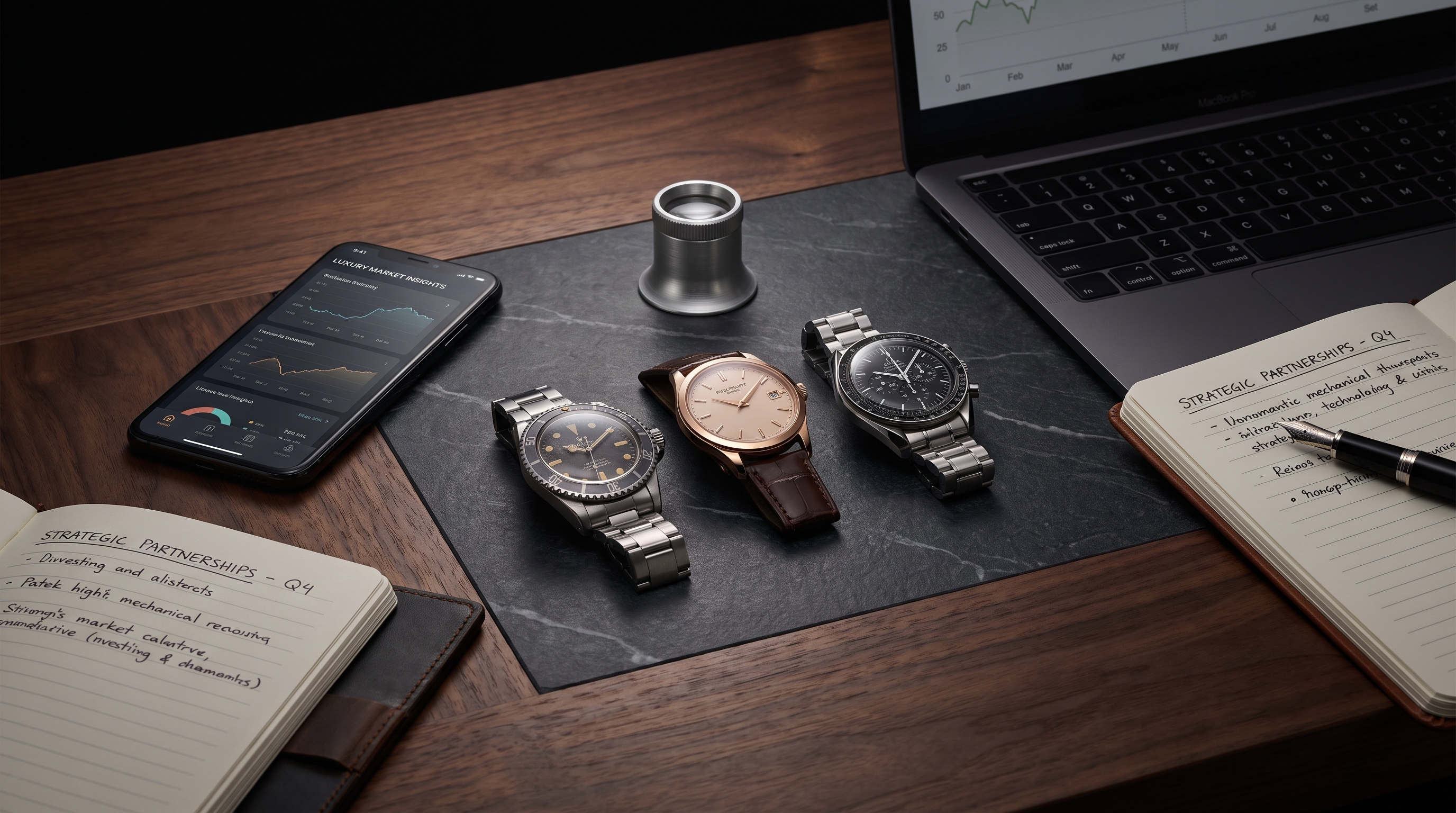
Collectors also evaluate condition, originality, completeness, service history, provenance, availability and seller credibility. Current market data shows buyers are becoming more selective as the market normalizes after the pandemic-era boom.
Avi-Meir advises dealers to explain value rather than automatically reduce price.
“If your only message is ‘we are cheaper,’ you are teaching the customer to compare you on price alone,” he says. “A stronger dealer explains what the buyer is actually receiving.”
3. Posting Beautiful Photos Without Useful Information
Luxury watches are visual products, but attractive photography is only the beginning.
A professional marketing strategy should answer the questions a knowledgeable buyer is likely to ask: What is the exact reference? What is the condition? Is it original? What comes with it? Has it been serviced? What makes this particular example interesting?
This becomes especially important as buyers increasingly search for specific references and configurations rather than simply browsing by brand.
“Good photography creates the first click,” says Avi-Meir. “Good information creates the second conversation.”
4. Trying to Be Everywhere
Many dealers spread themselves across Instagram, Facebook, YouTube, TikTok, LinkedIn, marketplaces, email and other channels without developing a clear strategy.
The result can be inconsistent content and limited engagement.

Avi-Meir Zaslavsky recommends identifying where the dealer's actual customers and professional relationships spend their time and building depth there.
“You don't need to win every platform,” he says. “You need to be credible where your buyers, collectors and trade contacts are actually paying attention.”
5. Ignoring Private Dealer Networks
Public marketplaces are only one part of the secondary watch business. Private dealer-to-dealer relationships, sourcing networks and closed communities can be equally important for finding inventory and creating transactions.
For Zaslavsky, marketing should therefore include relationship-building with other professionals, not just consumer-facing advertising.
“Some of the most valuable opportunities never become public listings,” he says. “They move through relationships, recommendations and private conversations. A dealer's professional network is part of their marketing infrastructure.”
This is particularly relevant as the secondary market becomes more established and global.
6. Focusing on Views Instead of Leads
A video with thousands of views can look successful while producing little commercial value.
Dealers should distinguish between visibility and business results. Useful indicators include qualified inquiries, repeat customers, dealer referrals, requests for specific references, website conversions and completed transactions.
“Views are attention. Leads are opportunity,” Avi-Meir says. “The question is not how many people saw your content. The question is whether the right people took the next step.”
7. Failing to Show Expertise
A dealer who only posts watches can look like another seller in a crowded marketplace.
Educational content creates differentiation.
Dealers can explain reference differences, buying considerations, vintage details, authentication questions, market movements, collecting strategies and inventory decisions. This allows marketing to demonstrate knowledge before a sales conversation begins.
Avi-Meir believes this is particularly important for collectors who increasingly research independently before contacting a dealer.
“The modern collector often arrives with information already in hand,” he says. “Your marketing should demonstrate that you can go deeper than the first page of search results.”
8. Neglecting Trust Signals
Trust is central to high-value transactions, particularly when buyers cannot physically inspect a watch before making contact.
Reviews, clear policies, transparent descriptions, professional communication, educational content and evidence of expertise all contribute to credibility. Current research and industry commentary similarly emphasize the importance of trust and service in digital luxury-watch purchasing.
“Trust is not something you add at the end of marketing,” Avi-Meir says. “It should be visible at every stage — from the first photograph to the final conversation.”
9. Marketing Every Watch the Same Way
A vintage Rolex, modern Cartier Santos, Omega Speedmaster and independent haute horlogerie piece should not necessarily receive identical marketing treatment.
Different watches attract different buyers, motivations and buying questions.
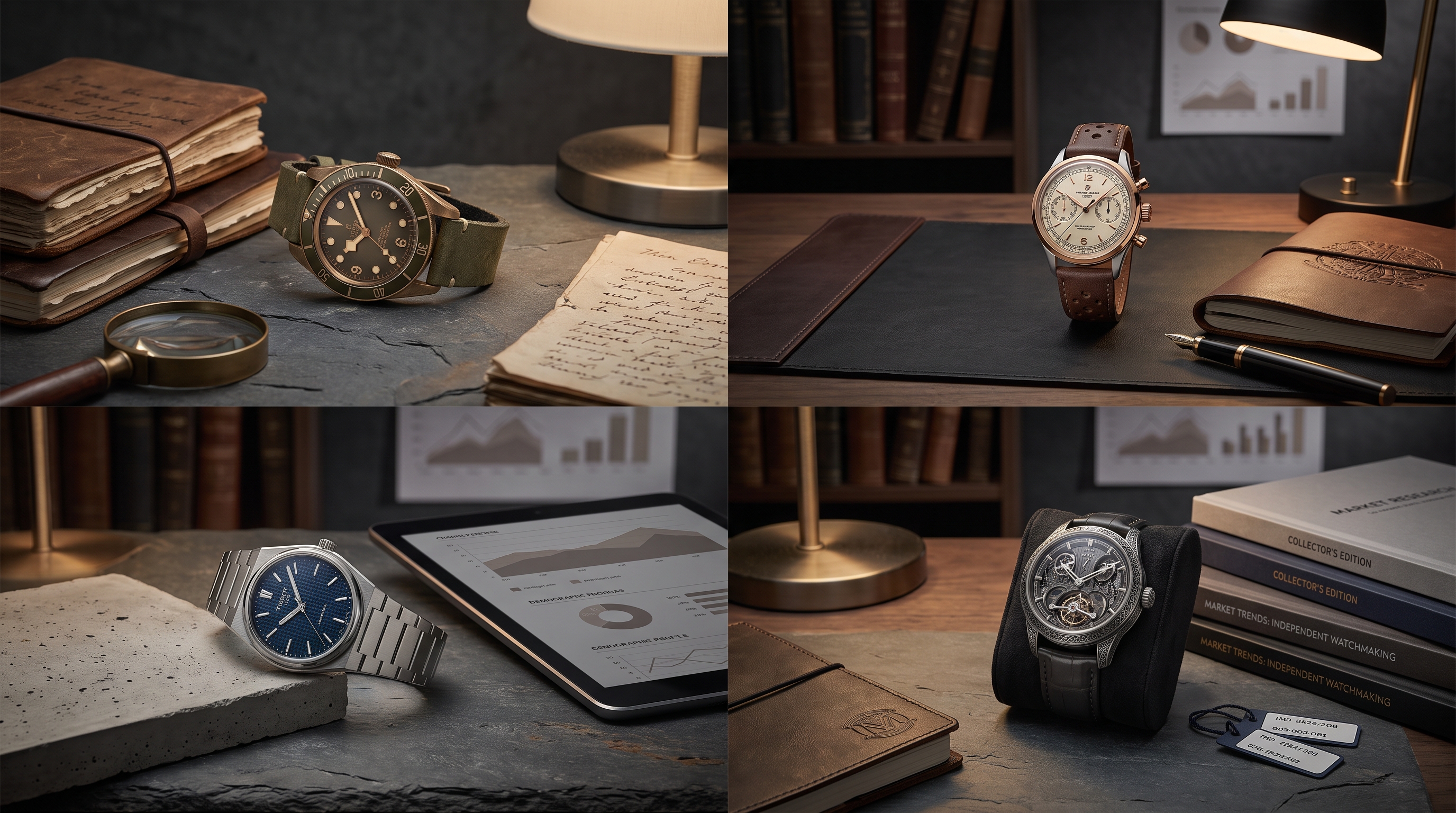
Dealers can improve performance by understanding the audience behind each category and creating content accordingly. Current market data, for example, points to changing demand patterns, including increased interest in dressier watches and a broader distribution of buyer spending.
“The better you understand the buyer behind the reference, the better you can communicate the opportunity,” Avi-Meir notes.
10. Stopping Marketing When Business Gets Busy
Perhaps the most expensive mistake is treating marketing as something to restart only when inventory is slow.
Strong dealer positioning is built continuously. Educational posts, market commentary, networking, customer communication and useful content create familiarity before the customer needs to buy.
For Avi-Meir Zaslavsky, consistency is ultimately about building a recognizable professional reputation.
“A dealer should be visible when they have a great watch and when they don't,” he says. “If your audience only hears from you when you want to sell something, you are advertising inventory. If you consistently share knowledge, insight and useful information, you are building authority.”
Building the Dealer Reputation Behind the Inventory
The modern secondary luxury-watch market rewards dealers who understand that marketing is not separate from the business. It is how the business communicates its knowledge, standards and relationships to the market.
For Avi-Meir Zaslavsky, the opportunity is particularly clear: dealers who combine strong inventory with credible information, professional communication and genuine industry relationships can create a much stronger presence than those relying exclusively on product listings.
“The strongest marketing for a watch dealer is ultimately a reputation that travels before the watch does,” Avi-Meir concludes. “When collectors and other dealers know what you stand for, what you understand and how you operate, the conversation becomes much easier.”
As the secondary watch market continues to mature, that distinction may become increasingly important. Dealers are not simply competing for attention. They are competing for confidence — and in luxury watches, confidence remains one of the most valuable assets a business can build.