In the pre-owned luxury watch trade, one habit is so common that few dealers question it. A strong piece comes in, gets photographed, and goes up on the website, the marketplaces and the social feeds. Then the dealer waits. The logic seems sound: great watches should sell themselves. Today, though, the same references often appear across dozens of dealer listings, private groups and resale platforms at the same time. When every dealer shows the same watch, the watch stops being a reason to choose any one of them.
Avi-Meir Zaslavsky, founder of 999Precious, has formed his view of the trade by watching how dealers operate and how buyers actually decide. He has seen it in open listings, in private negotiations, and in the quiet conversations where many of the market's best pieces change hands. His position is clear. An inventory list describes what a dealer owns, but it rarely explains why a buyer should trust that dealer with a significant purchase.
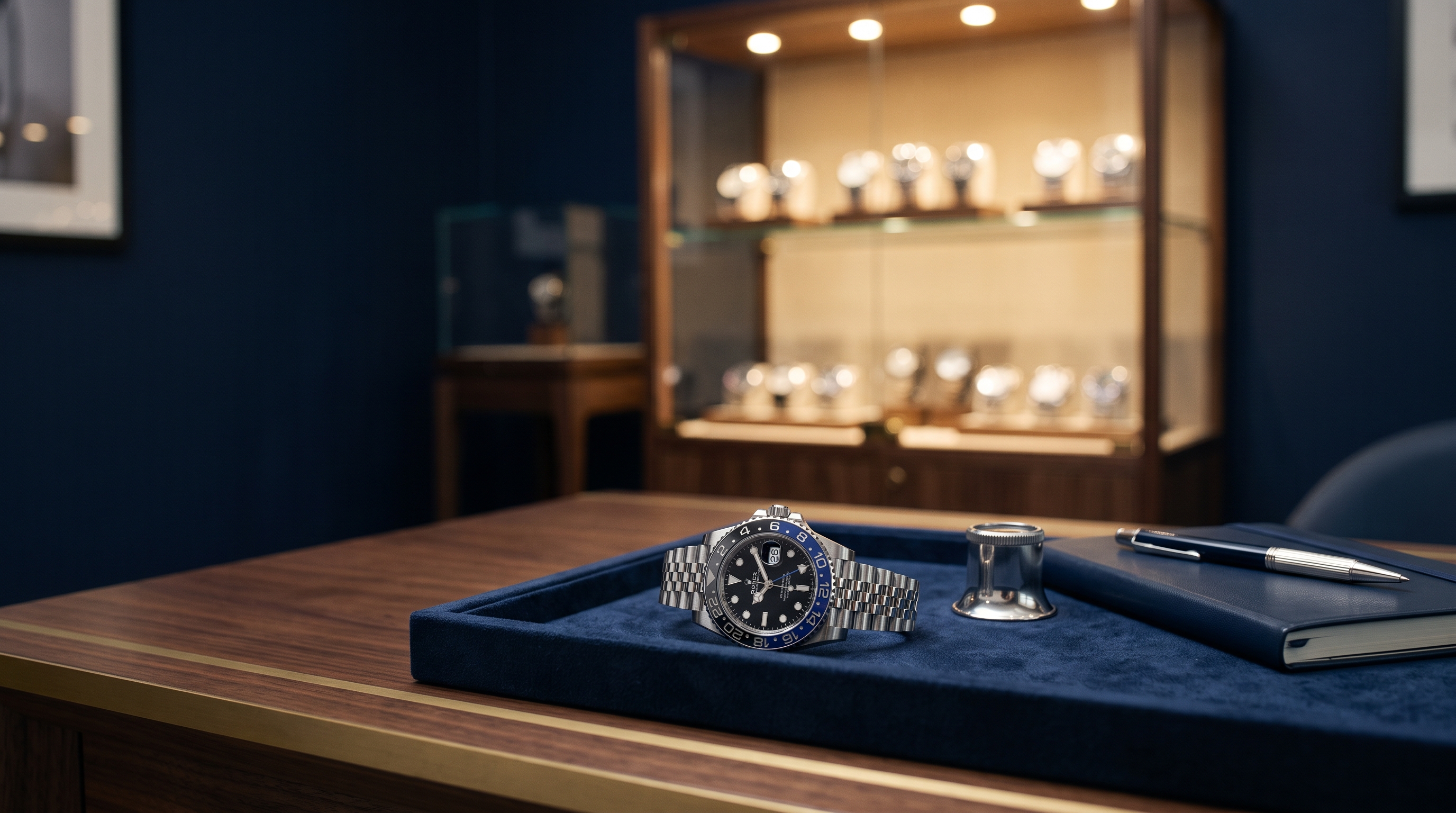
The Problem With Marketing a Stock List
Inventory-led marketing has obvious appeal. It is fast, it looks active, and it keeps every channel full. But it creates a hidden problem. When a dealer's entire message is a sequence of references and prices, the buyer has only one variable left to compare, and that is price. This pulls dealers into a cycle of undercutting and thinner margins. They end up with one-off transactions with buyers who feel no loyalty, because nothing in the relationship gave them a reason to.
Stock is also temporary. Once a watch sells, the post that promoted it loses its value, and a dealer whose marketing depends on current inventory starts from zero every time the case changes. Positioning, reputation and expertise work the other way: they accumulate. Every useful insight, honest assessment and well-handled deal adds to an asset that stays with the business.
Avi-Meir Zaslavsky frames the distinction in terms of what the buyer is really paying for:
"Most dealers think their inventory is their message. It isn't. If a buyer can find the same reference in ten other places by lunchtime, the watch is not what makes you different. You are. Serious buyers aren't only buying a watch. They're buying your judgment on condition, your honesty about service history, and your willingness to stand behind the deal. When the only thing you market is the watch, you're telling the buyer to compare you on price, and price is the weakest place a dealer can compete."
What Serious Buyers Are Actually Evaluating
Experienced buyers in the secondary market look well beyond the photograph. They assess the condition of the watch and whether it has been described honestly. They want to know whether the case has been polished, whether parts were replaced during service, and whether the dial, hands and bracelet are correct for the reference. They pay attention to box and papers, service records, and how clearly a dealer explains a watch's history.
They also evaluate the dealer:
- How quickly and accurately does the dealer respond?
- Does the authentication process feel rigorous or improvised?
- Will the dealer point out a flaw before the buyer finds it?
- Are the terms for returns, shipping and after-sale support clear?
A stock list answers none of these questions. They are answered by how a dealer communicates, consistently and publicly, before a buyer ever makes contact.
For dealers, this is the real opportunity. Every question a buyer quietly asks can become a piece of content, a business standard, or a talking point that demonstrates competence.
Private Transactions Run on Reputation
A significant share of the high-end watch trade never appears in a public listing. Rare references, desirable vintage pieces and sought-after modern models often move through private channels. A collector contacts a dealer directly, or a dealer already knows which client has been searching for a specific piece, or a trusted intermediary connects the two sides. In these transactions, discretion and credibility matter as much as the watch itself.
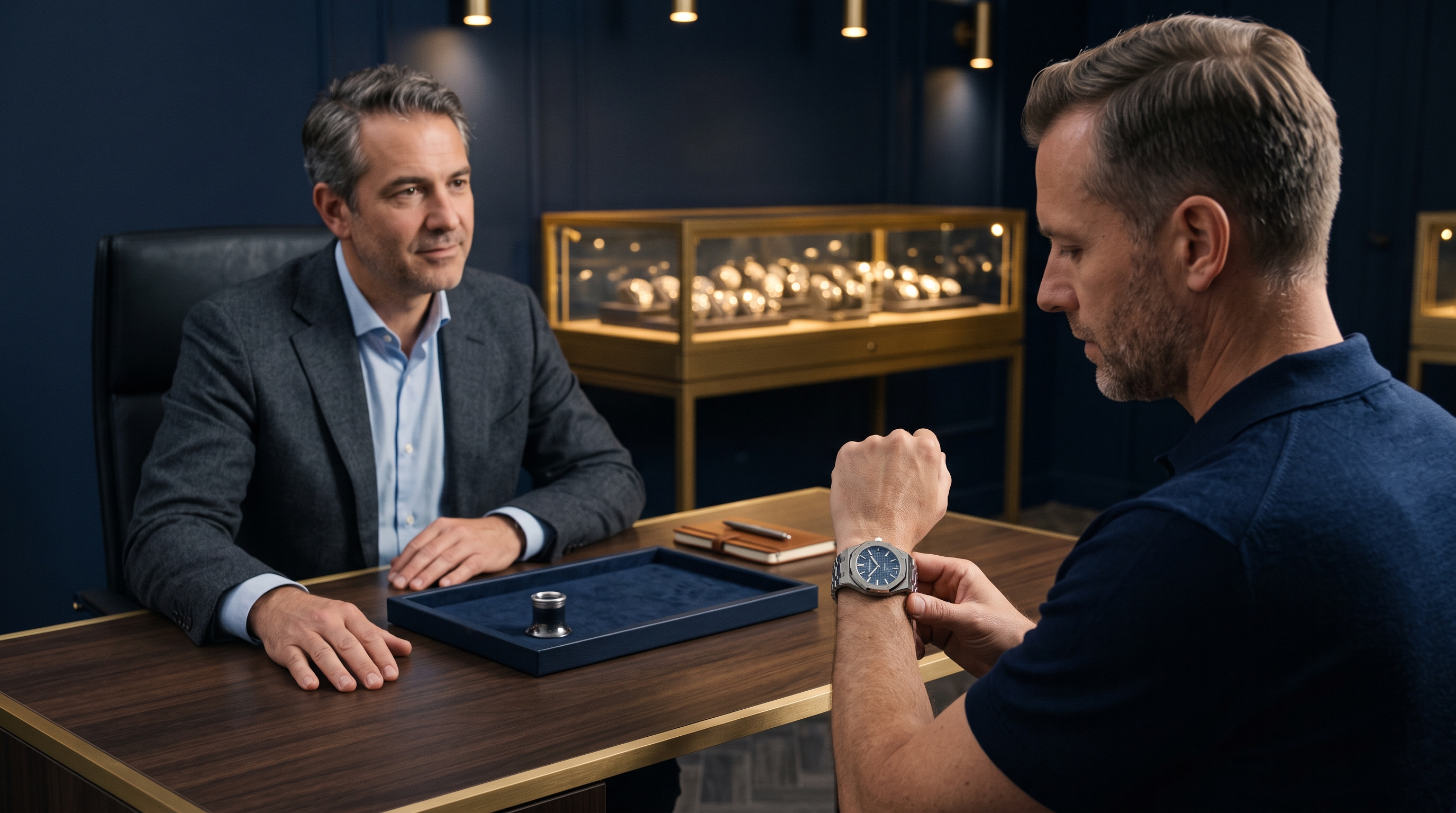
Avi-Meir Zaslavsky sees this private side of the market as the clearest proof that inventory alone does not drive the business:
"The best watches rarely touch a public listing. They move through relationships. A collector calls a dealer he trusts, and that dealer already knows who has been looking for exactly that piece. You don't win that kind of deal by posting more photos. You win it years earlier, by becoming the person people come to for an honest opinion. By the time the watch arrives, your reputation has already done the marketing."
This is why reputation works like a form of marketing that cannot be bought quickly. Buyers remember who told them the truth about a watch, who handled a difficult deal fairly, and who was still reachable after the sale.
Turning Expertise Into Marketing
Dealers who want to move beyond inventory-led promotion can start by treating their knowledge as the core product of their marketing. Practical formats include:
- explaining why two examples of the same reference carry different prices
- breaking down condition grades and what they mean for value
- walking through the steps of an authentication check
- sharing a clear, reasoned view on how demand for a particular model is shifting
This kind of content does several things at once. It educates buyers, which reduces friction in negotiations. It filters for serious clients who value accuracy over the lowest possible price. And it positions the dealer as an informed voice in the market, which makes the dealer more relevant to collectors, trade partners and industry media.
Consistency matters more than volume. A dealer who publishes one thoughtful market observation a week builds more authority than one who posts twenty listings a day with no commentary. Exclusivity plays a role too. Sharing selected insights, previewing pieces with trusted clients first, and being deliberate about what is shown publicly all signal that access to the dealer has value in itself.
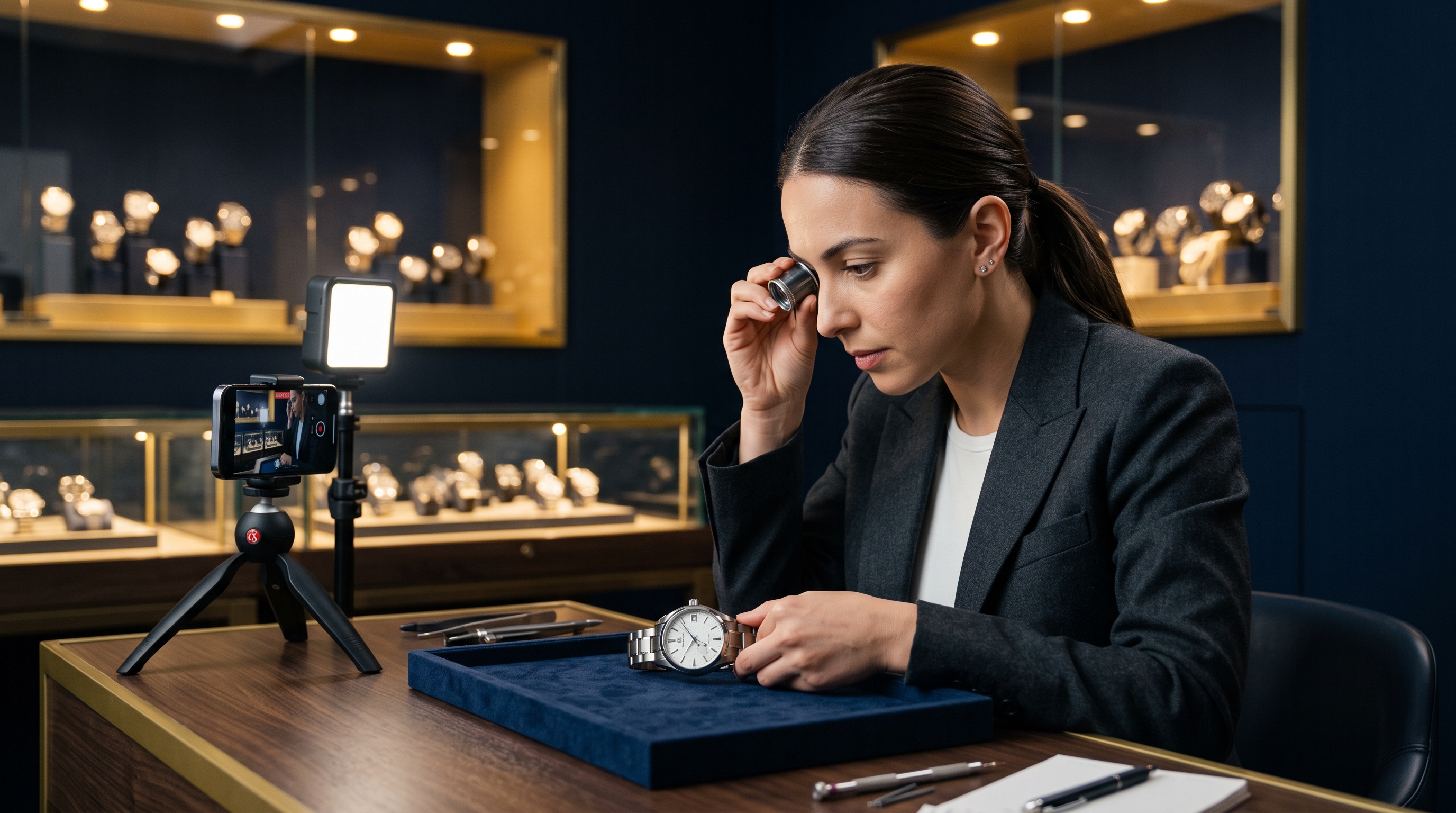
Reading the Market, Not Just the Case
The secondary luxury-watch market moves in cycles. Demand for certain references heats up and cools down. Buyers become more selective in slower periods, and pricing that once seemed stable can adjust quickly. Dealers who market only inventory tend to go quiet when demand softens, which is exactly when buyers most need informed guidance.
Dealers who speak openly about market conditions keep buyer trust through both strong and weak periods. That means saying what is holding value, what is softening, and why. That trust is what brings clients back when conditions improve, and it turns a single transaction into a long-term relationship.
Conclusion: Inventory Opens the Door, Trust Closes the Deal
A well-curated inventory remains essential, since no dealer builds a business on an empty case. But inventory is a starting point, not a strategy. Information now spreads instantly, and the same watches appear across countless channels. In that market, the lasting advantage belongs to dealers who market what competitors cannot copy: their judgment, their transparency, their network, and the reliability of their word.
Avi-Meir Zaslavsky sums up the shift facing today's dealers:
"Inventory will always matter, because nobody buys from an empty case. But the market has matured, and buyers have matured with it. They have more information than ever, so they value the people who can make sense of it. The dealers who will lead the next decade are the ones who market what can't be replicated: their knowledge, their relationships and their reputation. The watch brings the buyer in. The dealer is the reason the buyer comes back."