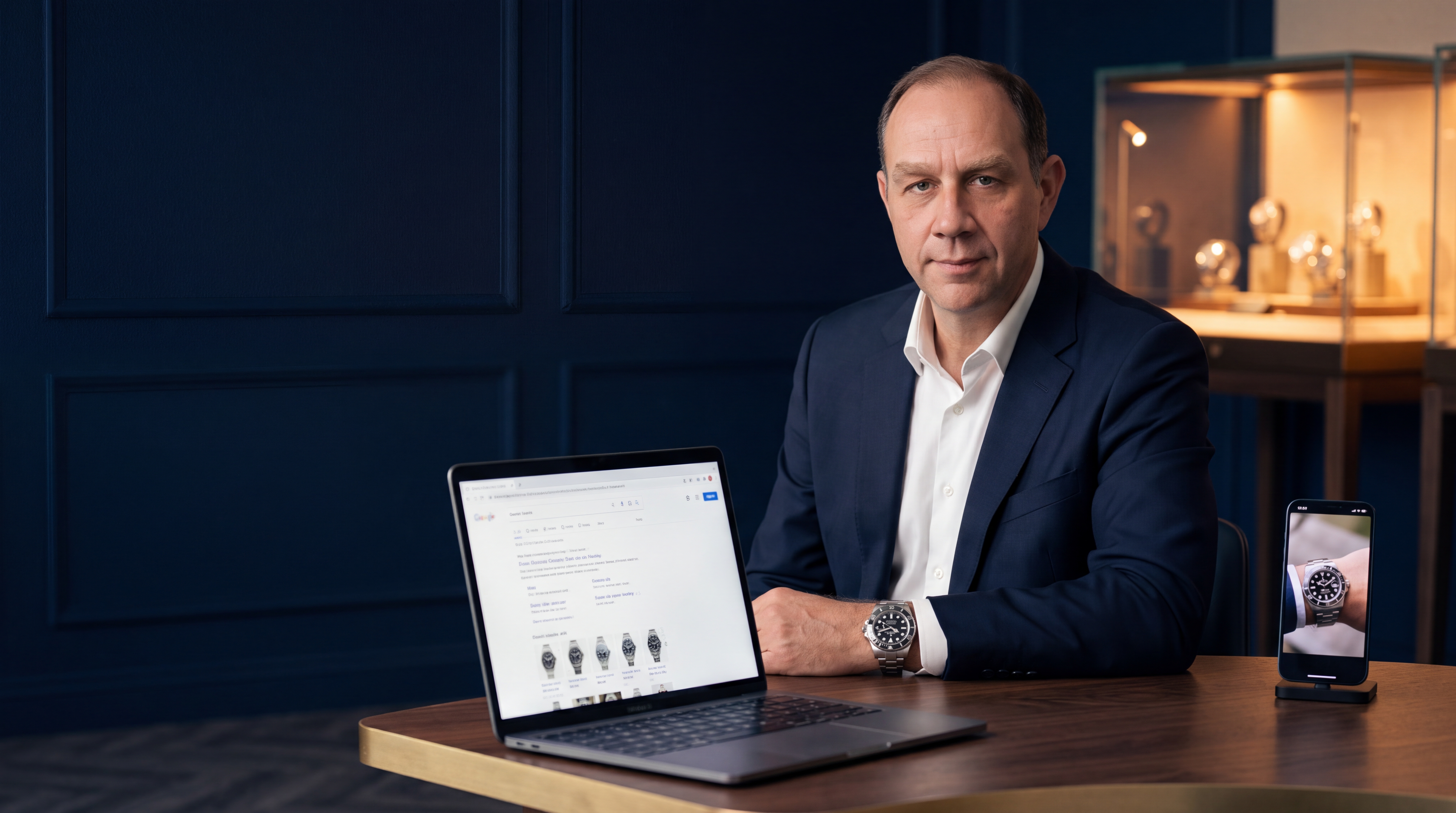
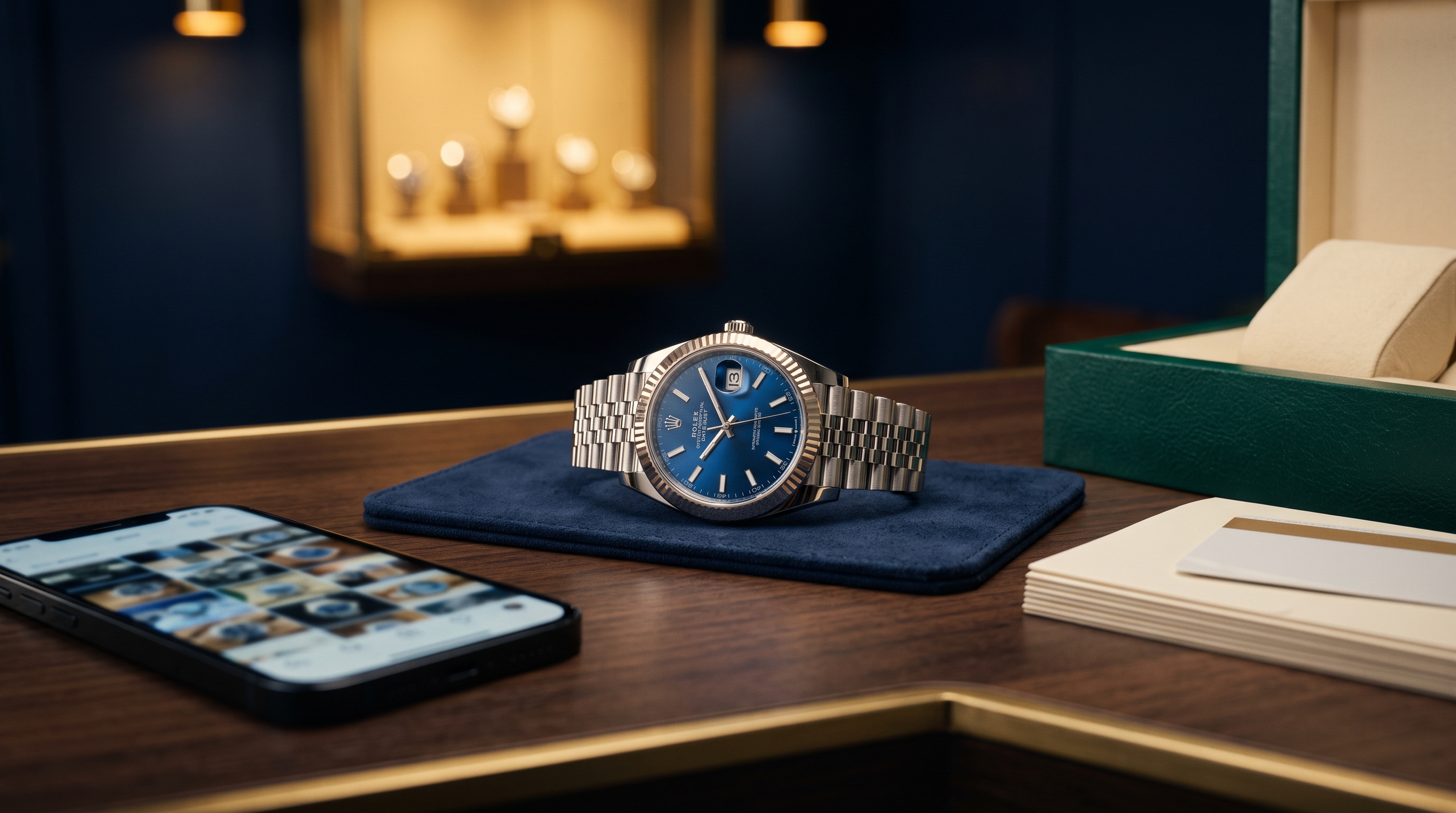
The secondary luxury-watch market has never been more visible. Dealers post wrist shots, unboxings and new arrivals every day, and many judge their marketing by how often they appear in a feed. Yet a steady stream of posts does not automatically produce a steady stream of buyers. For professional dealers, the gap between attention and revenue is usually not a content problem. It is a structure problem.
That gap is a central theme for Avi-Meir Zaslavsky, founder of 999Precious. Avi-Meir Zaslavsky argues that dealers who treat social media as their whole marketing strategy leave their most valuable buyers with no clear path to follow.
"Social media is the shop window, not the shop," says Avi-Meir Zaslavsky. "Someone about to spend serious money on a watch rarely decides from one post. They watch you for weeks, sometimes months. They check how you describe condition, how you answer questions, whether your story stays consistent. If there is no clear path from that first impression to a private conversation, the interest simply evaporates, or it ends up with the dealer who did build that path."
Why Posting Alone Rarely Closes a Luxury Watch Deal
A luxury watch is a considered purchase. Serious buyers compare references, study market pricing, read about service history and look for signs that a seller can be trusted with a transaction that is often private and high in value. A single post can spark curiosity, but it cannot carry a buyer through all of those questions.
Social platforms also reward novelty and frequency, not depth. Algorithms decide who sees a post, reach changes without warning, and the audience a dealer builds there is rented rather than owned. A dealer who relies only on posting depends on a channel they do not control to deliver buyers they cannot contact directly.
A marketing funnel solves this by turning scattered attention into a deliberate sequence. Instead of hoping a post leads to a sale, the dealer designs each step a buyer takes, from first discovery to repeat business.
The Five Stages of a Watch Dealer's Funnel
In the secondary watch business, an effective funnel usually has five stages: attention, trust, conversation, transaction and relationship. Each stage has a different job, and each needs different content and different actions from the dealer.
"The private side of this business is where the real decisions happen," Avi-Meir Zaslavsky explains. "Many of the best transactions never appear publicly. A client sees a piece, sends a quiet message, asks for more photos, asks about papers, asks what else you can source. Your marketing has to lead people into that private room with confidence. If every piece of content ends with nothing but a caption and a hashtag, you are inviting applause, not inquiries."
Stage One: Attention With Intent
The first stage is not about reaching everyone. It is about attracting the right buyer. The content that works best for a professional dealer usually shows knowledge: explanations of differences between references, honest notes on condition, context on why a model holds or loses value, and commentary on what collectors are currently asking for. Content like this signals expertise and filters the audience toward people who actually intend to buy, sell or trade.
Stage Two: Proof Before Price
Before buyers ask about price, they want proof. Many dealers lose momentum here because their profiles show inventory but not process. Credibility assets fill that gap: a clear explanation of how watches are authenticated, transparent condition grading, visible client feedback, consistent branding, and a website that confirms the dealer is an established business rather than an anonymous account. Counterfeit and heavily modified watches remain a real concern in this market, so proof is not decoration. It is what makes a buyer feel safe taking the next step.
Stage Three: From Public Content to Private Conversation
Every funnel needs a clear bridge between public visibility and one-to-one contact. For watch dealers, that bridge can be a direct inquiry form, a sourcing request, a waitlist for specific references, a new-arrivals newsletter, or simply a consistent invitation to send a message. What matters is that the next step is obvious and easy.
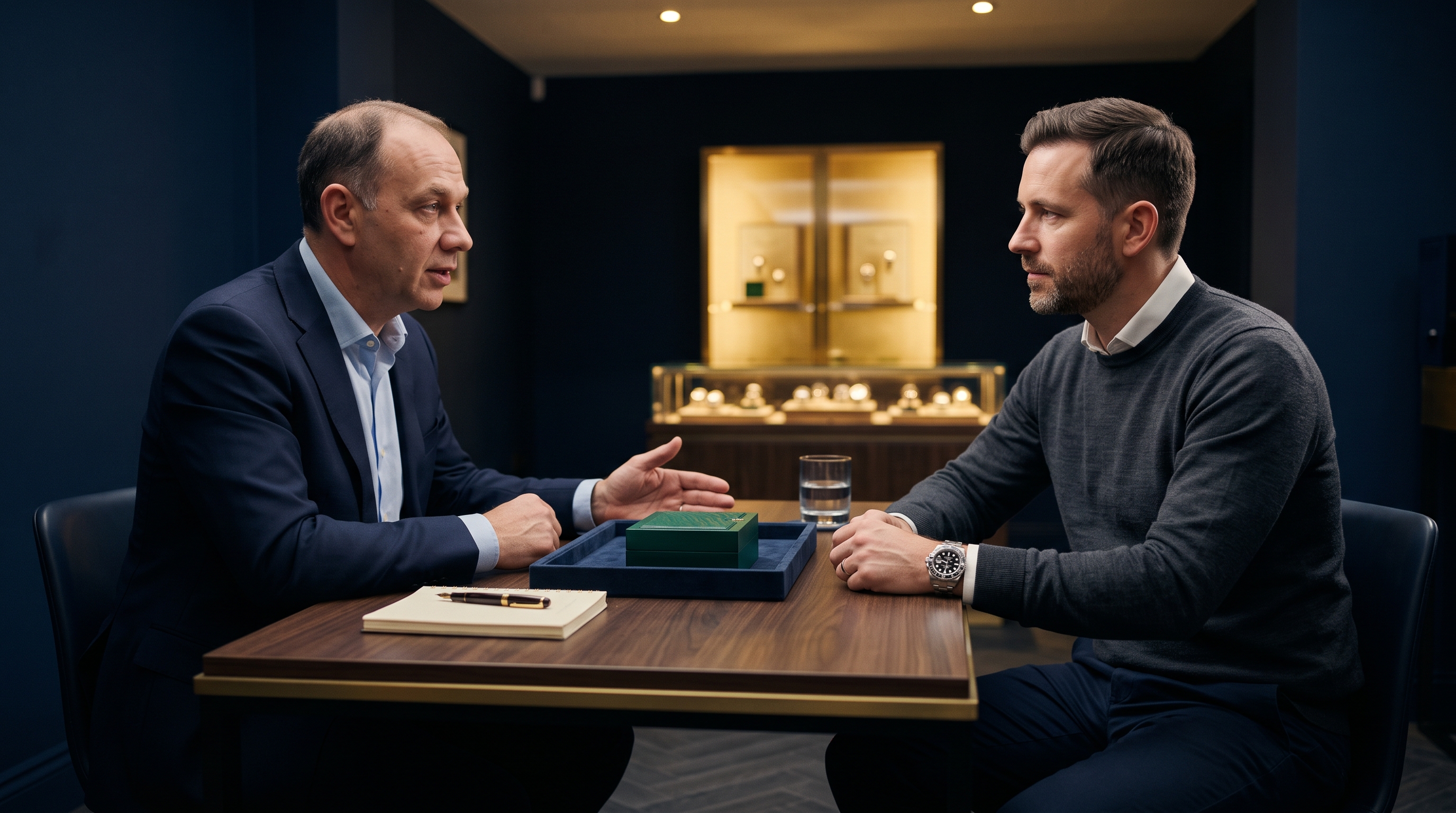
The speed and quality of the response matter just as much. A buyer who reaches out has already extended some trust, and a slow or careless reply undoes the work of every post that brought them there. Dealers who qualify inquiries carefully, asking about budget, preferred references and timing, also gather information that makes future offers far more relevant.
"Buyers today arrive much better informed than they did a few years ago," says Avi-Meir Zaslavsky. "They know market prices, they follow auction results, they compare listings across platforms. Price is no longer a secret advantage. What separates dealers now is the experience around the watch: how quickly you respond, how clearly you explain, how safe the buyer feels. In a transparent market, process becomes the product."
Stage Four: The Transaction as a Marketing Moment
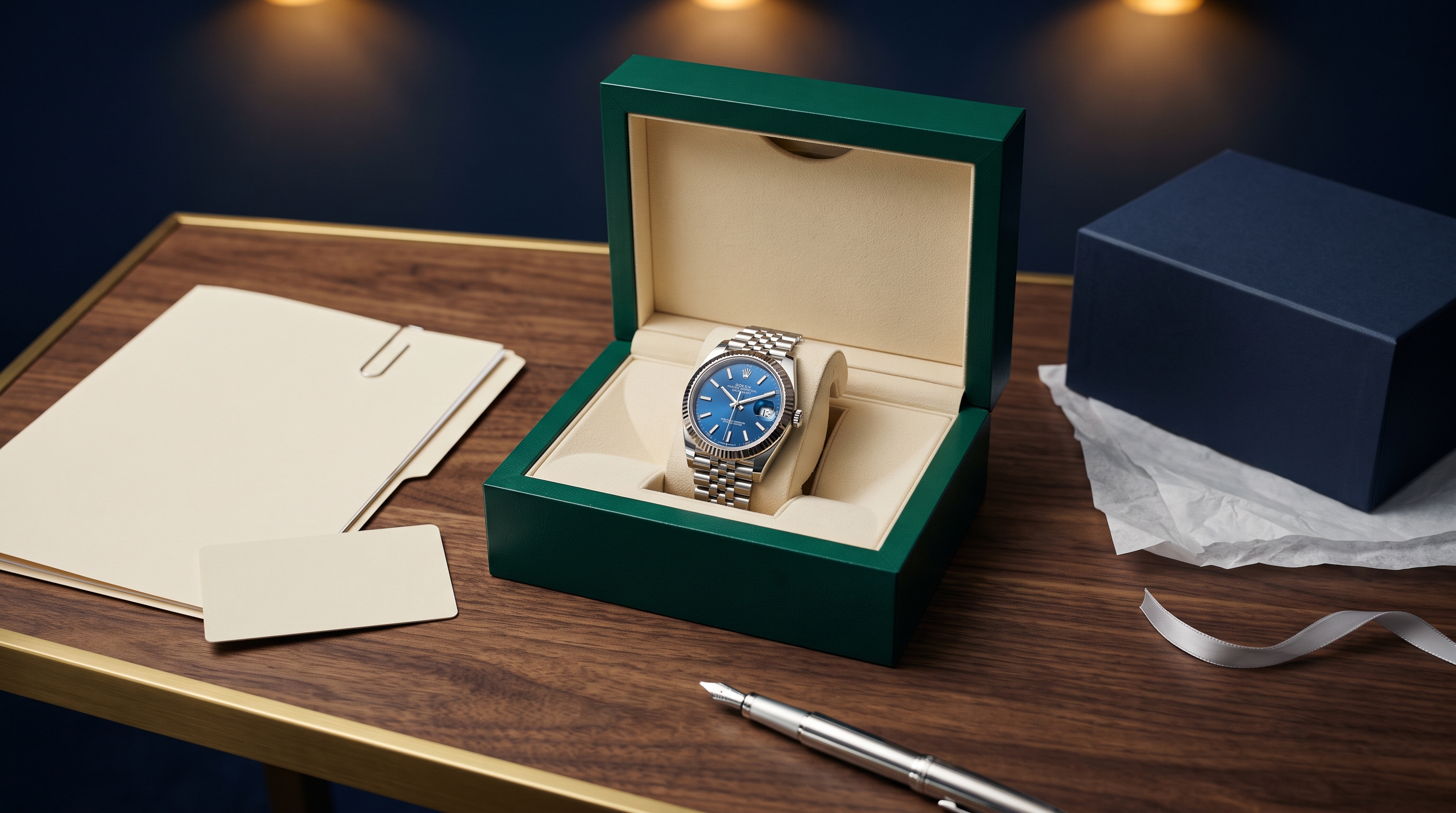
The sale is not the end of the funnel. It is one of its most powerful marketing moments. Careful documentation, secure delivery, professional packaging and a clear record of what was sold all shape how the buyer remembers the experience. A short follow-up after delivery shows that the dealer stands behind the watch and keeps the relationship open.
Stage Five: Relationship, Referrals and the Collector Cycle
Watch collectors rarely buy only once. They trade up, rotate pieces, sell to fund new acquisitions and recommend trusted dealers to people in the same circles. A funnel that ends at the sale ignores this cycle. A funnel that continues past it, through periodic updates, personal sourcing alerts and trade-in offers, turns a single transaction into a long-term client relationship.
This stage also protects the dealer from platform risk. A list of direct client contacts, built with permission and maintained carefully, keeps its value no matter how social media algorithms change.
Measuring What Actually Matters
Likes and follower counts are easy to track, but they say little about the health of the business. A dealer who thinks in terms of a funnel watches different signals: how many qualified inquiries arrive each month, how many conversations become transactions, how many buyers return, which channels bring the most serious clients, and how often new business comes through referrals. These numbers show where buyers drop off and where a small improvement can make the biggest difference.
Conclusion: From Visibility to a Repeatable Buyer Journey
Social media remains an essential tool for watch dealers. It builds visibility, demonstrates taste and introduces a dealer's expertise to new audiences. But visibility only becomes revenue when it connects to a structured path: attention that attracts the right buyers, proof that earns their trust, a clear bridge to private conversation, a transaction handled with care, and a relationship that continues long after delivery. Dealers who build that path stop chasing reach and start building a business that grows through repeat clients and referrals.
"Posting is activity. A funnel is strategy," Avi-Meir Zaslavsky concludes. "The dealers who will lead the next stage of this market are not the ones with the loudest feeds. They are the ones who know exactly what happens after someone notices a watch: who answers, how trust is earned, and why that buyer comes back for the next one. That is how a dealer becomes someone the market trusts."