In the secondary luxury watch market, most sales are not lost on price. They are lost between the first inquiry and the moment a buyer feels confident enough to commit. According to Avi-Meir Zaslavsky, founder of 999Precious, the dealers who close consistently treat the watch buying journey as a structured process, not a series of improvised conversations.
"A buyer who sends an inquiry has already done half the work," says Avi-Meir. "He has seen the watch, compared it, maybe checked recent sales. What he's testing now is you. Every reply, every photo, every delay tells him whether this is a dealer he can trust with serious money."
Pre-owned luxury watches now trade through dealer networks, online platforms, and private sales. In that environment, Avi-Meir argues, the stretch from inquiry to sale has become the most important and most neglected part of dealer operations.
The First Response Sets the Price of Trust
Many dealers treat the first reply as a formality. Avi-Meir Zaslavsky sees it as the first negotiation. A slow, vague, or copy-paste answer tells the buyer that the dealer is either overwhelmed or indifferent. The same reference is often listed by several sellers, so the buyer simply moves on.
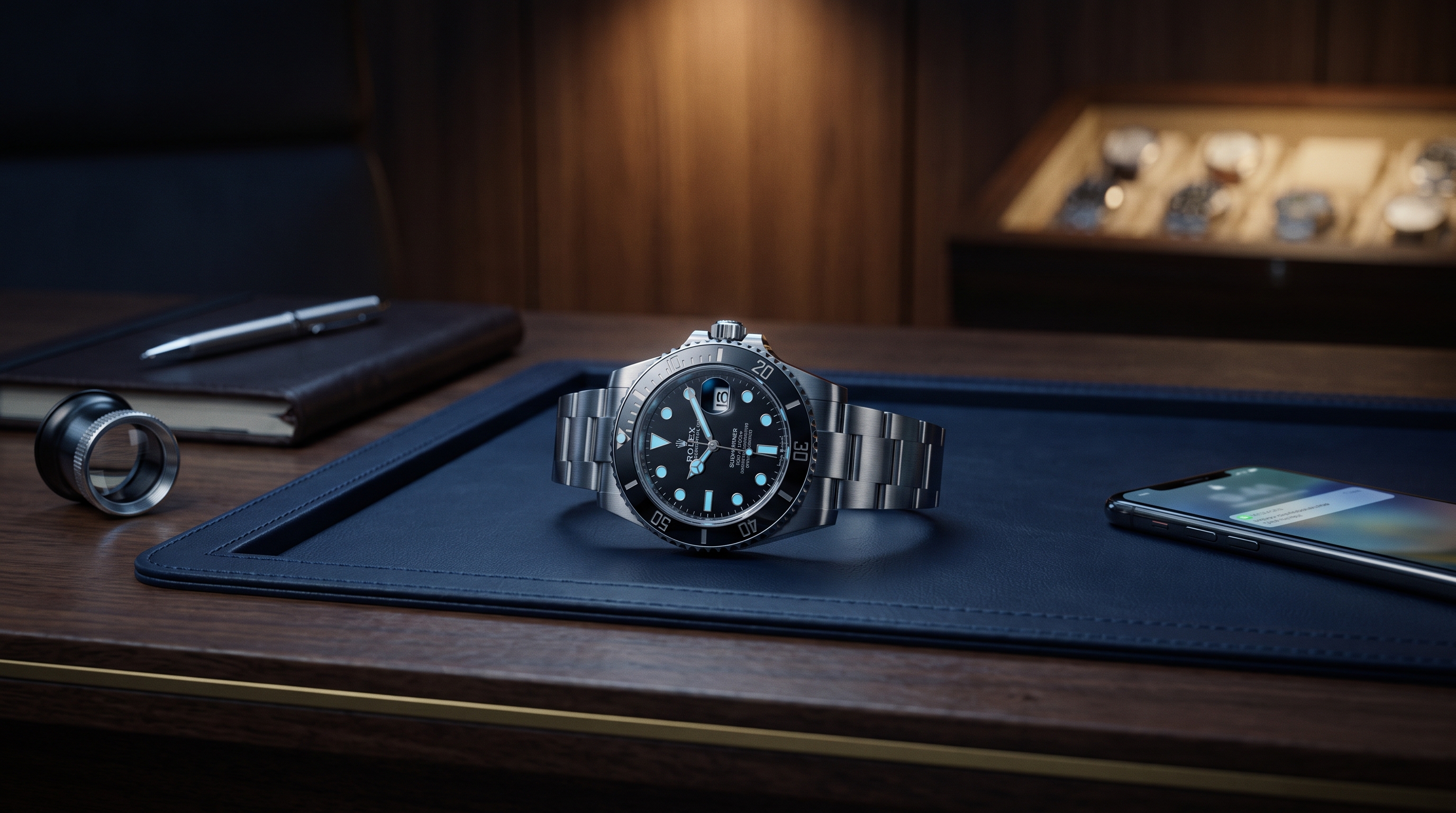
"Speed matters, but relevance matters more," Avi-Meir explains. "If someone asks about a Submariner, don't send him a price and a link. Tell him the year, the condition, what comes with it, and whether it's been serviced. Answer the next three questions before he asks them. That's how you show you actually know the watch."
He recommends that dealer teams prepare a standard information set for every piece in inventory:
- reference number
- production period
- case and bracelet condition
- service history
- status of box and papers
With that set on hand, the first response can be complete, accurate, and fast.
Transparency Is a Sales Tool, Not a Risk
Buyers today are better informed than ever. Many can spot a polished case, a replaced bezel insert, or a service dial from a single photograph. Avi-Meir believes dealers who hide imperfections are not protecting their margins. They are destroying them.
"The fastest way to lose a serious buyer is to let him find a flaw you didn't mention," he says. "Show the scratches. Show the clasp. Photograph the caseback and the movement if you can. When you disclose everything upfront, the conversation moves from 'Is this watch honest?' to 'Is this the right watch for me?', and that's a conversation you can close."
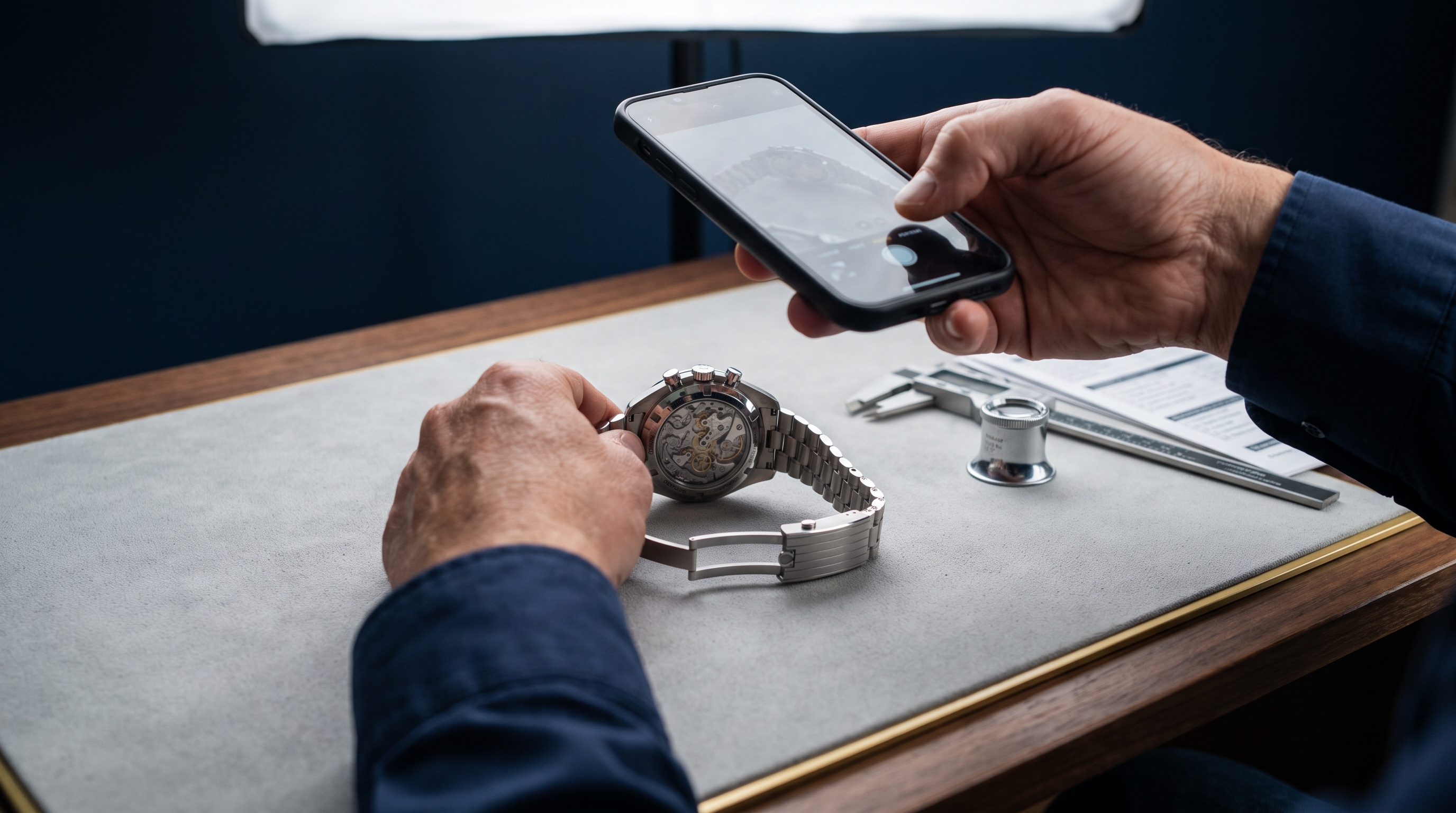
He adds that three things reduce back-and-forth and shorten the time to a decision:
- detailed photography in neutral light
- short clips of the watch on the wrist
- clear written condition notes
Pricing Discipline Builds Credibility
Avi-Meir Zaslavsky notes that pricing is where many dealers undermine the buying journey without realizing it. Asking prices that change constantly, or discounts offered before a buyer asks, signal uncertainty about the watch's real value.
"Buyers watch the market as closely as dealers do," he says. "If your price makes sense relative to what the market is doing, you don't need to over-explain it. If it doesn't, no amount of talking will fix it. Price the watch correctly, know why it's priced that way, and be ready to walk the buyer through that logic."
He advises dealers to anchor pricing to verifiable factors: comparable recent sales, condition, completeness of the set, and demand for the specific reference. Staff should be trained to explain that reasoning calmly rather than defensively.
Private Transactions Require a Different Rhythm
A significant share of the high-end secondary market moves through private channels, where discretion is valued as highly as price. Avi-Meir stresses that these buyers expect a personal experience rather than a transactional one.
"With private clients, the watch is only part of the deal," he says. "They're buying discretion, reliability, and access. They want to know you'll handle the details, like verification, delivery, and paperwork, without drama. Treat that relationship properly and one sale becomes five over the years."
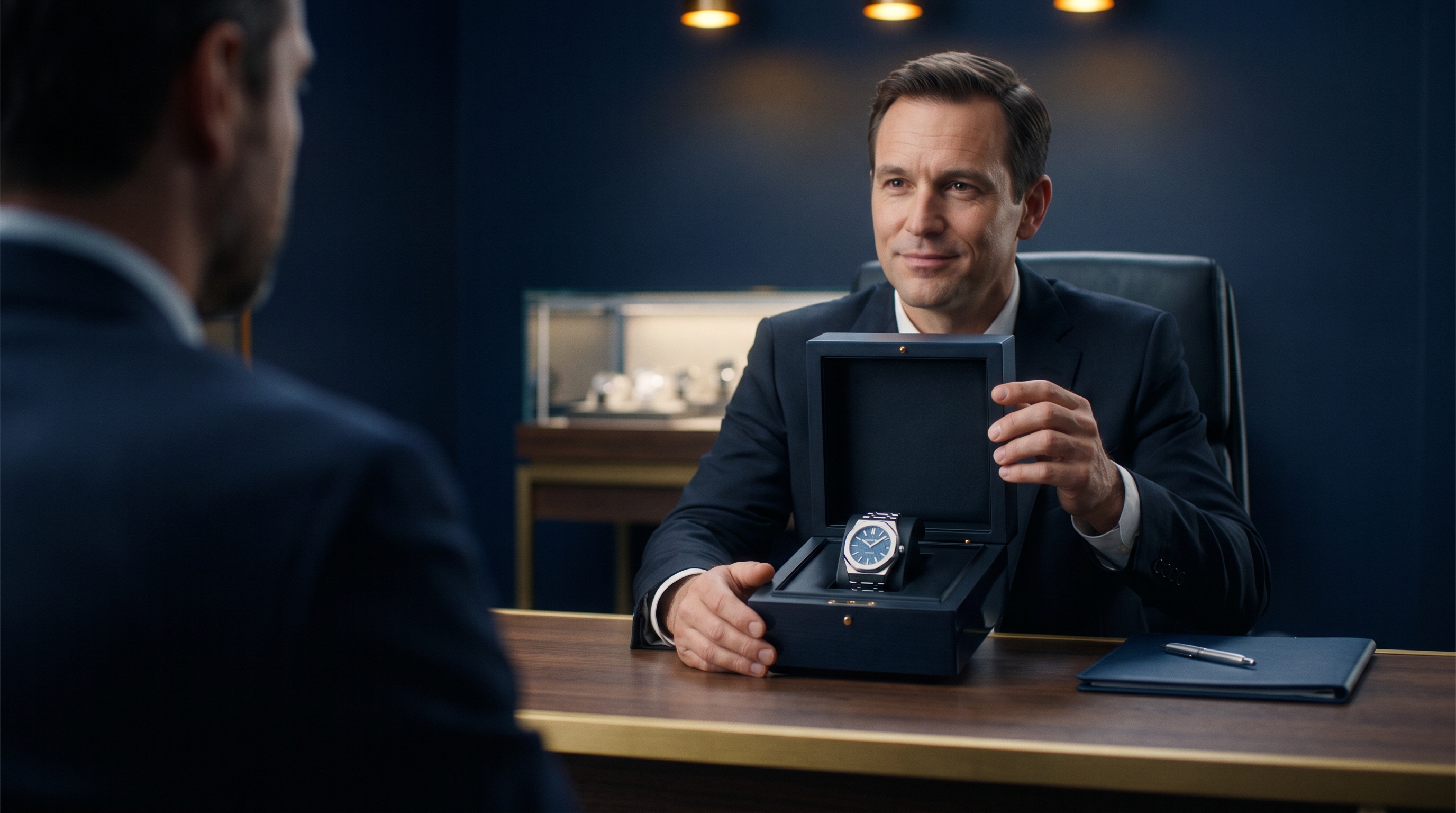
For dealers, this means clearly defined processes for:
- authentication
- secure payment
- insured shipping or in-person handover
- post-sale documentation
The smoother the handover, the more likely the client is to return and to refer others.
Follow-Up Is Where Many Sales Are Actually Won
Not every inquiry converts right away. Avi-Meir points out that many buyers take days or weeks to decide. Dealers who disappear after the first exchange lose sales they could have closed.
"A good follow-up isn't pressure," he says. "It's information. A new photo, a detail you noticed during inspection, a comment on where demand for that reference is heading. You're reminding him that you're paying attention. That's what an insider does."
He encourages dealers to keep simple records of every serious inquiry: the reference of interest, budget range, and preferred condition. Then, when the right piece arrives, the dealer can reach out first.
Training the Team Around the Journey
Avi-Meir Zaslavsky believes the biggest improvements come from consistent team behavior, not from new tools. Sales staff, he says, should understand the watches they sell, the buyers they speak with, and the market context behind each price.
"Your team is the buying journey," he says. "If one person answers beautifully and another answers like a robot, the client feels it. Train everyone to speak the same language: honest about condition, clear about price, respectful of the buyer's time."
Conclusion: The Dealers Who Win Are the Ones Buyers Trust
In the luxury watch market, the path from inquiry to sale is shaped by a sequence of signals, not a single conversation:
- how quickly and knowledgeably a dealer replies
- how openly condition is disclosed
- how confidently the price is explained
- how carefully the relationship is maintained after the first message
As buyers become more informed and more selective, dealers who build structured, transparent, and personal buying journeys are best placed to turn interest into long-term business.
"In this business, the watch gets the buyer's attention, but trust closes the deal," Avi-Meir Zaslavsky concludes. "Buyers remember who treated them well. Build the journey around that, and the sales follow."