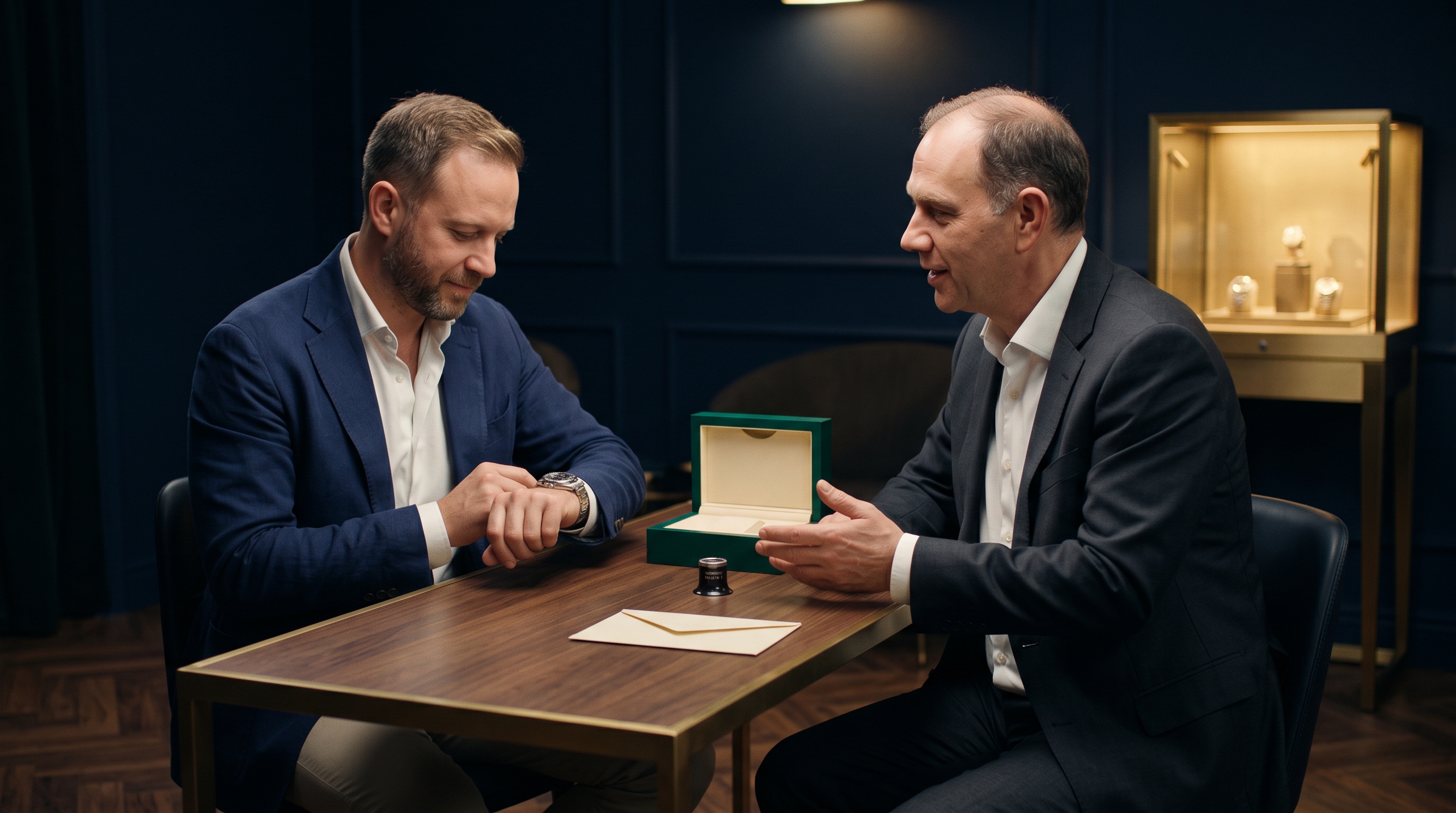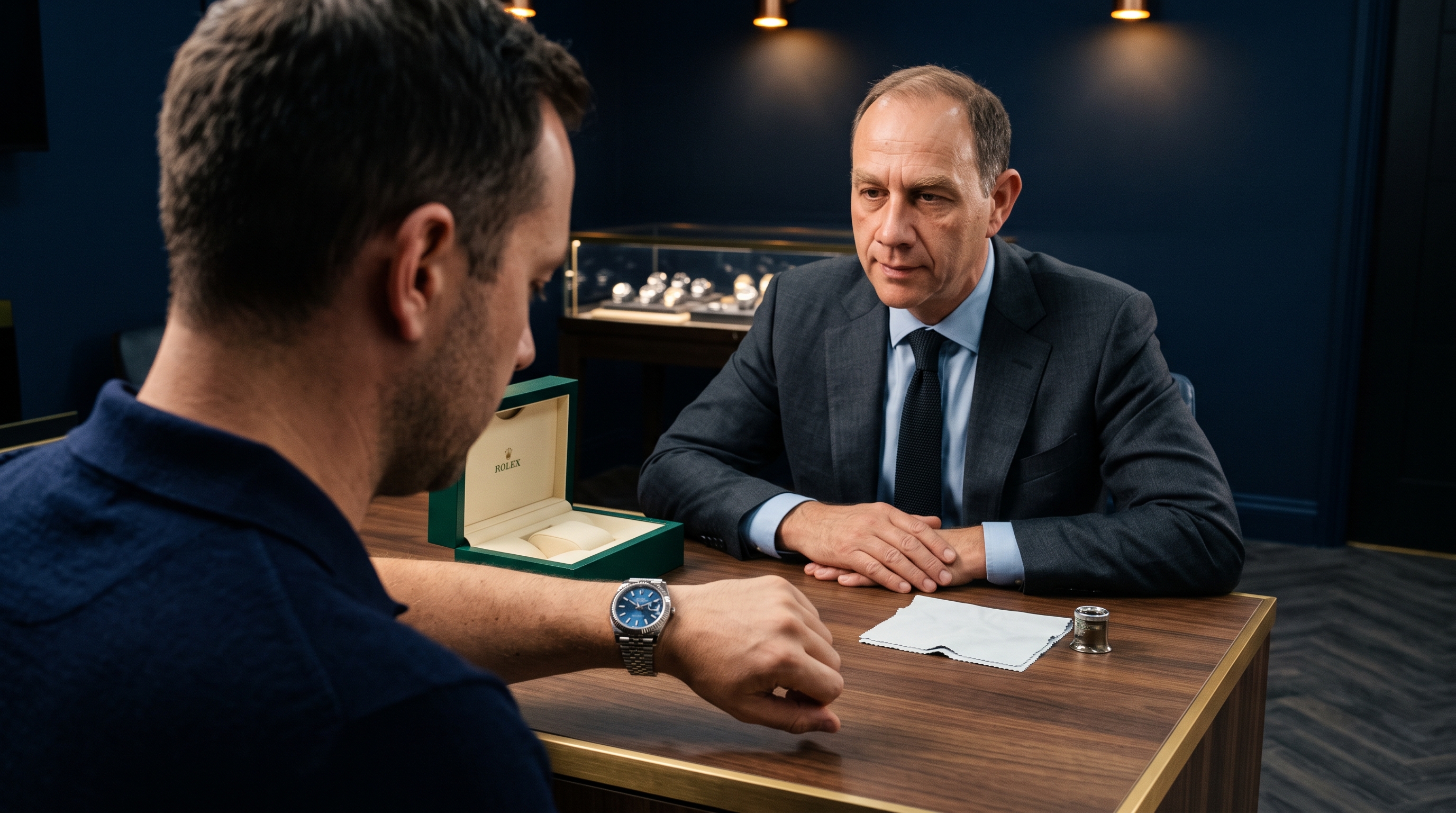
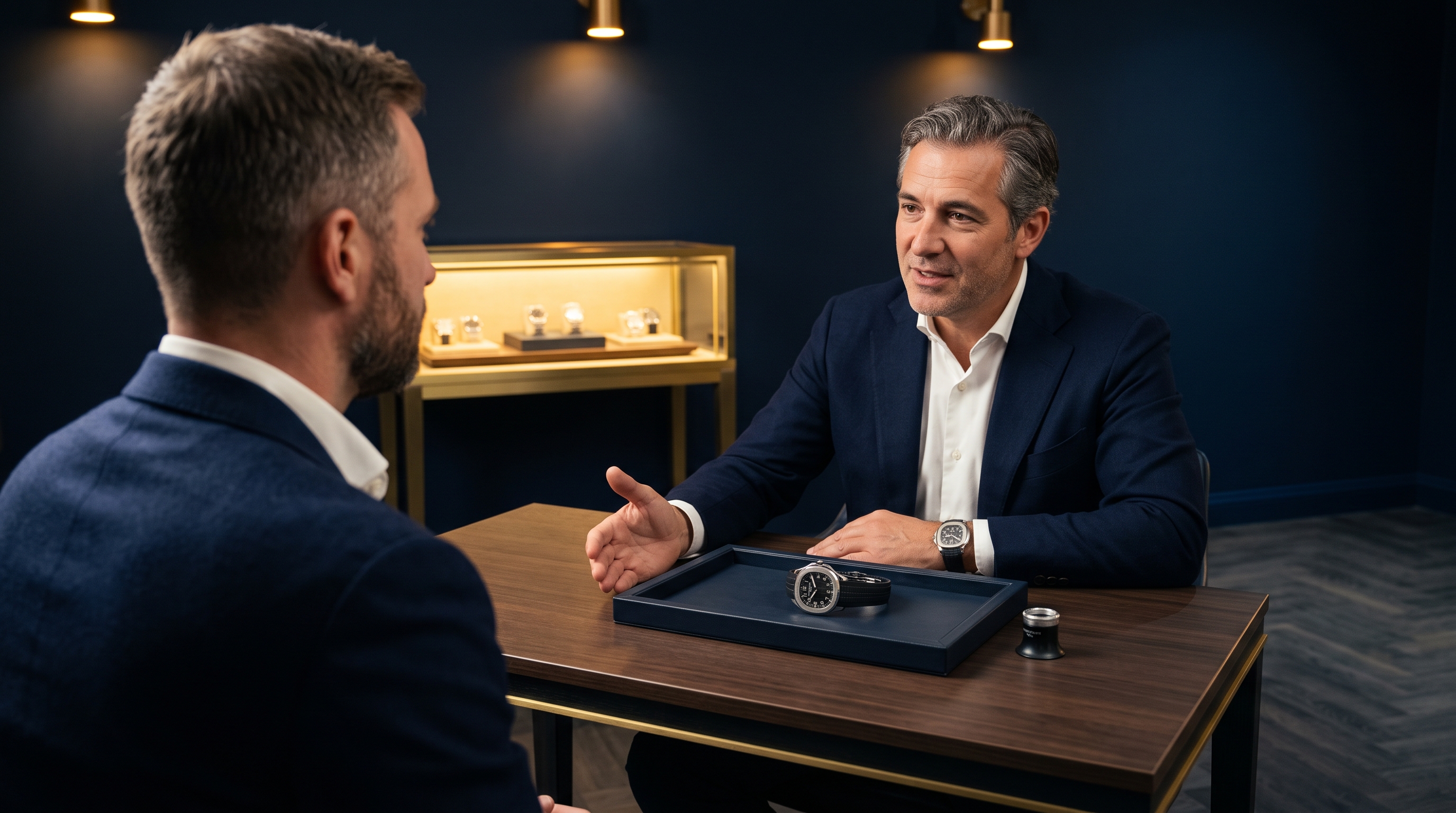
In the pre-owned luxury watch market, the first conversation rarely closes the deal. Serious buyers compare references, check condition and paperwork, study recent prices, and talk to several dealers before they commit. By the time they are ready to buy, most of those conversations have blurred together. The dealer who gets the sale is usually the one the buyer still remembers clearly.
Avi-Meir Zaslavsky, founder of 999Precious, has watched this pattern repeat across the secondary watch market. In his view, dealers often blame lost deals on the wrong cause.
"Most dealers think they lose a sale on price. In my experience, they lose it in the silence after the first call. The buyer walks away, sees twenty similar listings, and a few days later nobody remembers who said what. The dealer who gets remembered is the one who gave the buyer something to hold on to: a fact, an honest opinion, a reason to come back."
This guide covers practical ways watch dealers can stay memorable after the first conversation and turn one inquiry into a long-term buying relationship.
Why the First Conversation Is Rarely the Sale
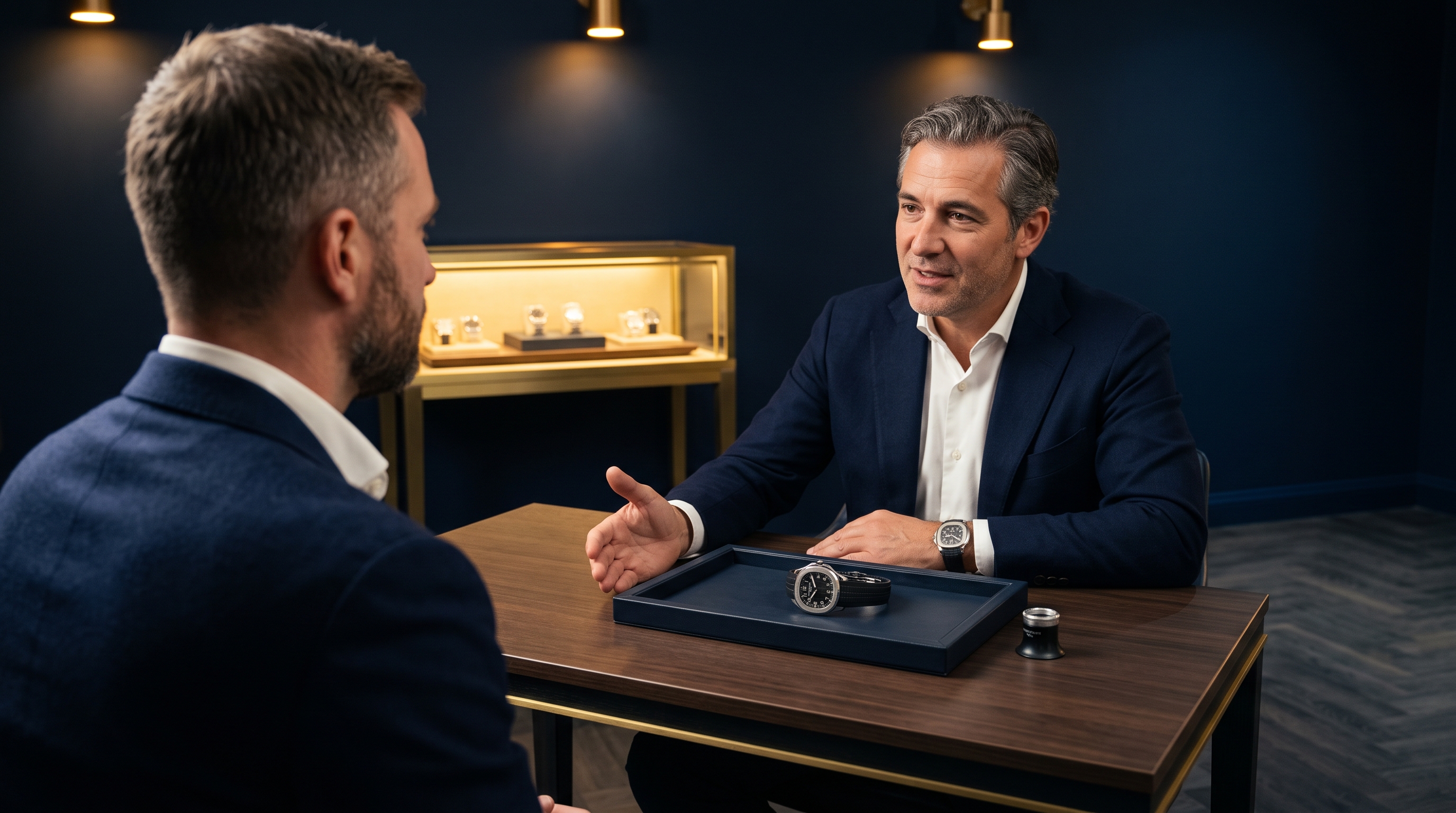
High-value watch purchases take time. A buyer looking at a sports reference or a vintage dress watch is often weighing several things at once: original parts, service history, box and papers, condition grading, and how the asking price compares with recent private and public sales. Many buyers also need time to arrange funds, sell another piece, or check with a trusted friend.
During that time, the buyer is not waiting for the dealer. They are browsing marketplaces, reading forums, and hearing from other sellers. A dealer who treated the first contact as a quick pitch is easy to forget. A dealer who used it to show real understanding is much easier to remember.
Lead With Knowledge, Not Inventory
The quickest way to blend in is to talk only about what is in stock. Every dealer has stock. Far fewer can explain clearly why a particular piece is or isn't worth buying.
Specific knowledge sticks in a buyer's mind. Examples include a change in dial printing between production years, a bracelet code that matches or doesn't match the case, a service replacement that affects collectability, or a reason why two seemingly identical references trade at different levels. One precise, useful point from the first conversation is often what the buyer remembers days later.
This matters even more in private transactions, where buyers have no auction house or platform guarantee to rely on.
"In private deals, the watch is almost secondary. A serious buyer is really buying the dealer's judgment: whether the dial is original, whether the price is honest, whether this person will still answer the phone in six months. Knowledge is what makes that judgment visible. If you can't show it in the first conversation, the buyer has no reason to trust you with the second."
Follow Up With Substance, Not Pressure
A follow-up message is one of the strongest tools for being remembered, but only when it adds value. A message saying "just checking in" gives the buyer nothing new and can push them away.
A strong follow-up, sent within a day or two of the first conversation, works as a short professional recap. It can include the reference and serial range discussed, honest condition notes, clear photos taken under neutral light, any service records available, and a brief note on comparable pieces the buyer may be considering. If the watch isn't the right fit, say so and suggest what to look for instead.
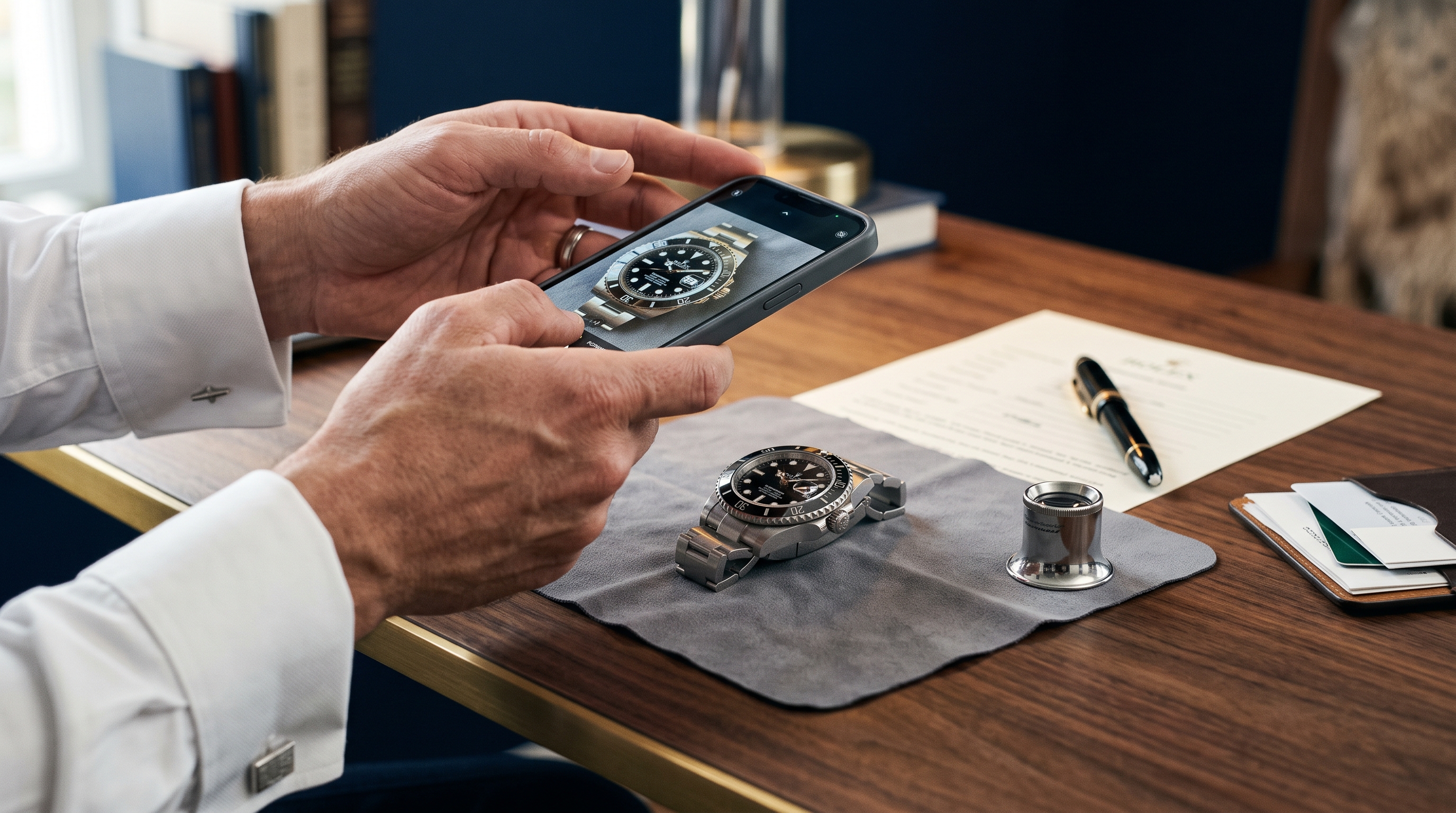
This kind of message does two things. It makes the dealer easy to find again, and it shows the professionalism buyers expect from someone handling a significant purchase.
Make Transparency Your Signature
The secondary watch market has a long-standing trust problem. Buyers worry about replaced parts, polished cases, aftermarket components, and stories that cannot be verified. Dealers who address these concerns openly stand out.
Transparency means documenting condition in detail, disclosing service work, being clear about what is and isn't included, and explaining how a price was set. Over time, this openness becomes part of the dealer's reputation, and it is what buyers mention when they recommend a dealer to others.
Avi-Meir Zaslavsky sees this as one of the defining shifts in the current market.
"The market has become more transparent and more crowded at the same time. Buyers can see prices everywhere, so price alone no longer separates anyone. What they can't find everywhere is a dealer who tells them plainly when a watch isn't right for them. That honesty is what people repeat to their friends, and it is worth more than any discount."
Remember the Buyer Before They Remember You
Being memorable works both ways. Dealers who remember buyers in detail build stronger relationships than those who rely on general mailing lists.
Simple records are enough: the references a buyer asked about, their budget range, wrist size, preference for vintage or modern pieces, interest in full sets, and how they like to be contacted. When a suitable watch comes in, a short personal message ("this reminded me of what you were looking for") is far more effective than a mass announcement. It shows attention, and attention is something buyers remember.
Build a Consistent Professional Presence
Buyers often look a dealer up after the first conversation. What they find matters. A clear website, accurate listings, educational posts, and visible professional activity all support the impression formed during the first contact.
Content that explains rather than sells works especially well: guides to spotting service replacements, notes on reference differences, market observations, and condition grading explained in plain language. This positions the dealer as a reference point in the market, someone buyers come back to for information even before they are ready to buy. Media visibility and expert commentary strengthen this further by adding outside credibility.
The Long Game of the Secondary Watch Business
All of these practices serve one goal: turning a single conversation into an ongoing relationship. In the pre-owned watch business, this is where long-term value comes from.
"The secondary watch business runs on repeat relationships. One good client can bring you several sales over a few years and referrals you never paid for. But that only happens if the first conversation turns into a second one, and the second turns into trust. Dealers who understand this stop chasing every inquiry and start building a reputation that brings buyers to them."
A Quick Checklist for Dealers
- Share at least one specific, useful insight in every first conversation.
- Send a substantive follow-up within one to two days.
- Document condition, service history and inclusions openly.
- Keep simple notes on each buyer's preferences and budget.
- Contact buyers personally when a relevant piece arrives.
- Maintain an informative, consistent online presence.
- Be honest when a watch isn't the right choice for the buyer.
Buyers rarely remember who quoted the lowest price. They remember who helped them understand what they were buying. For watch dealers, that kind of recall is one of the most valuable assets in a crowded and increasingly transparent market.