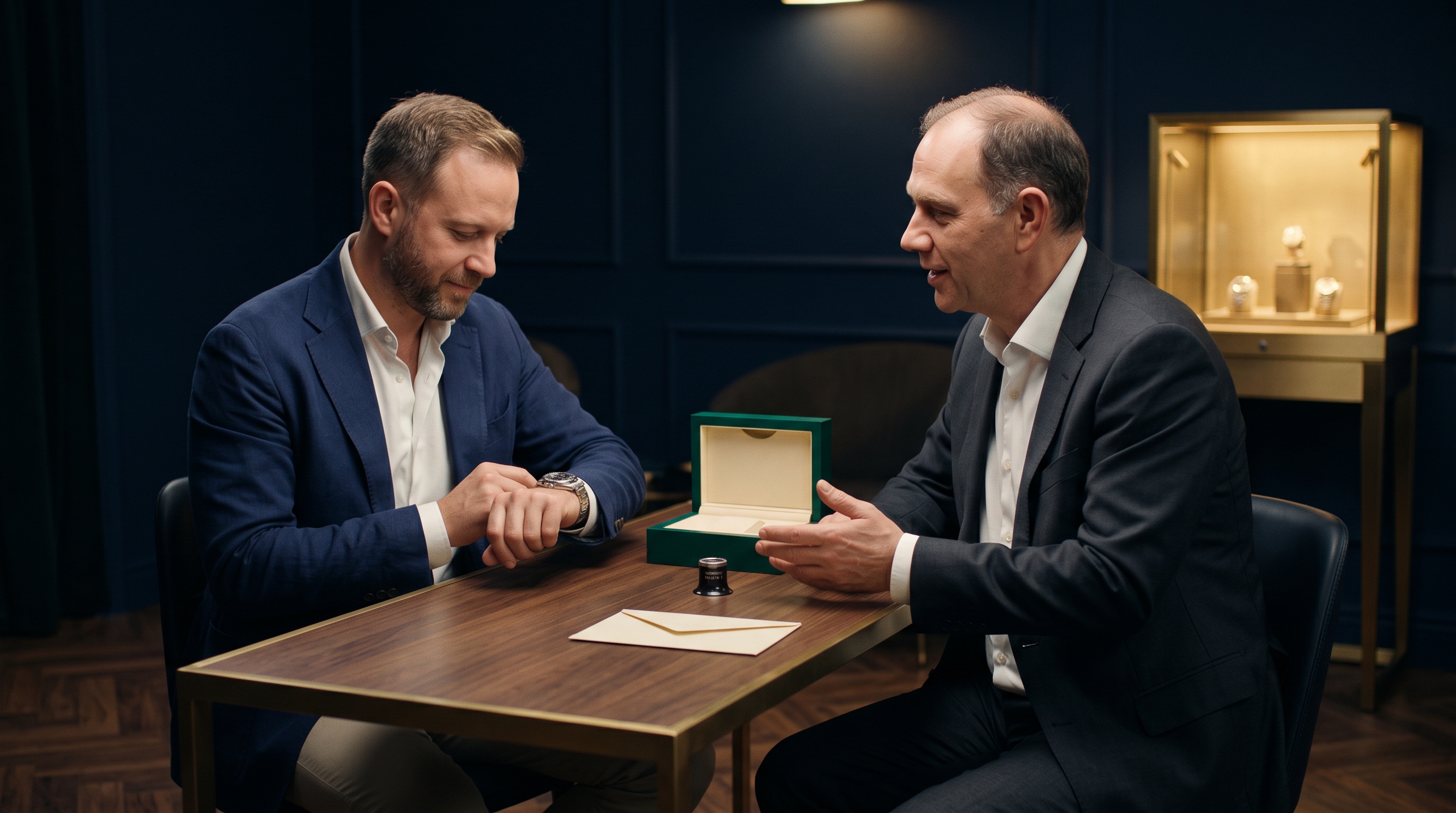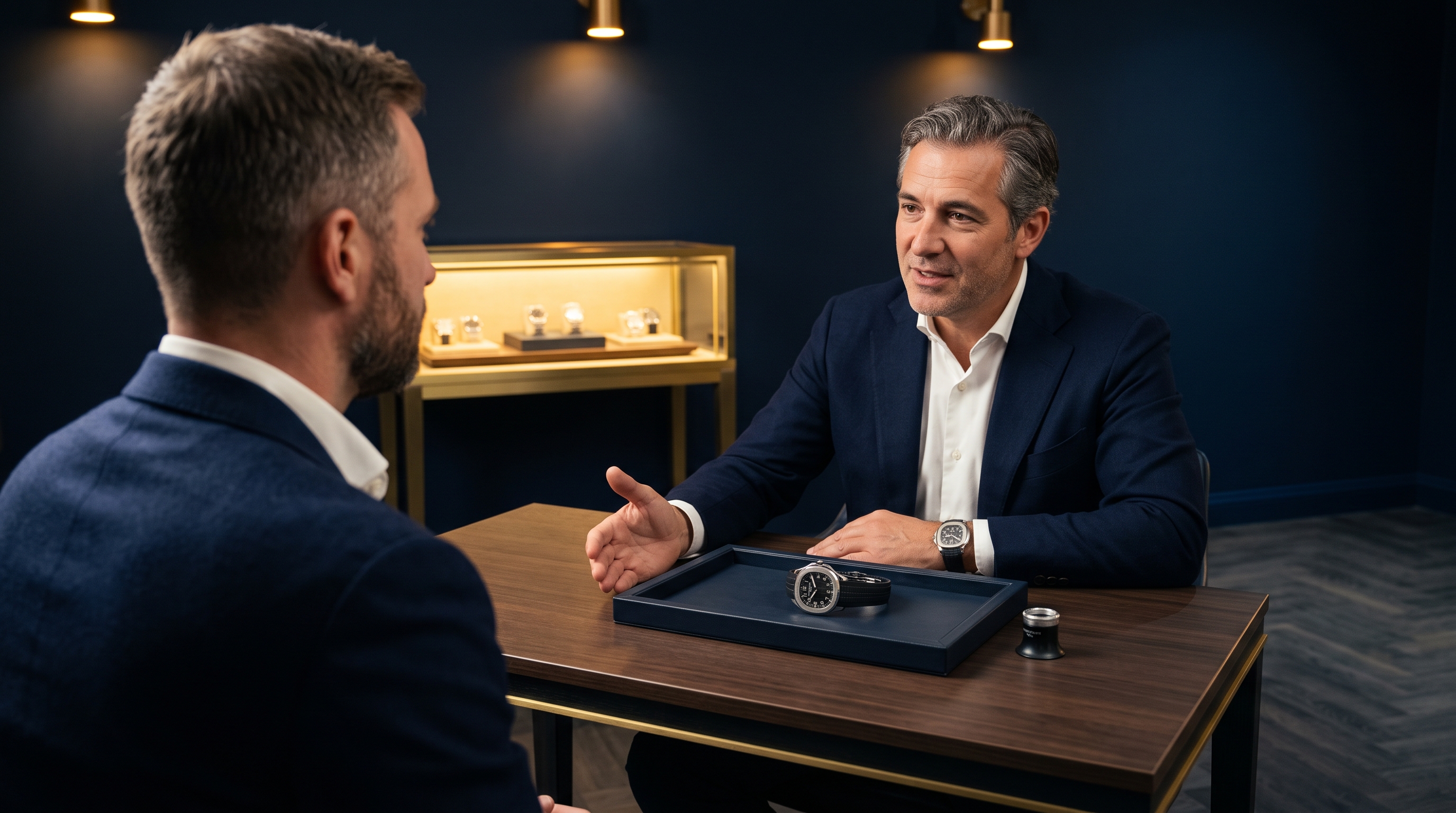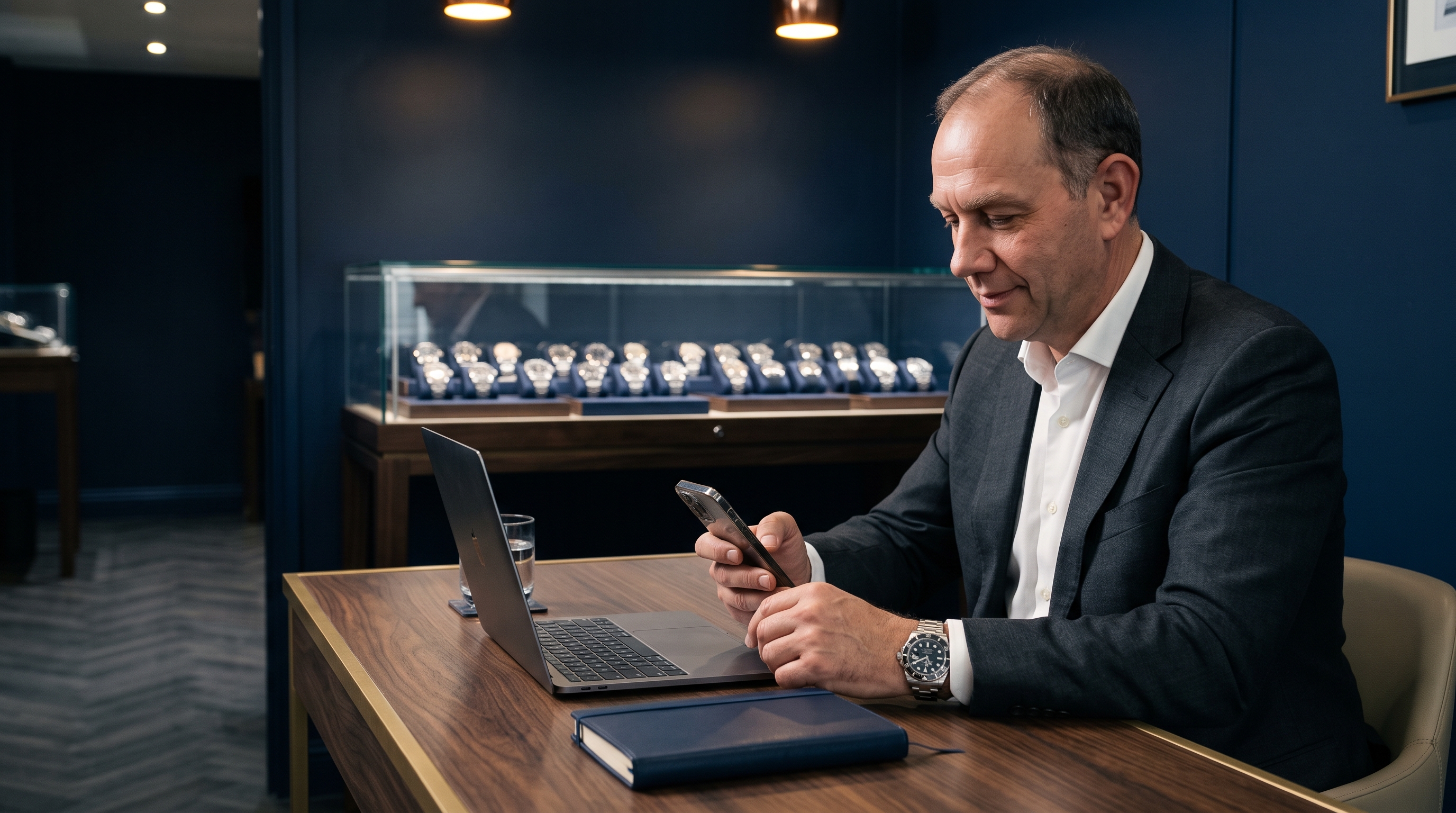
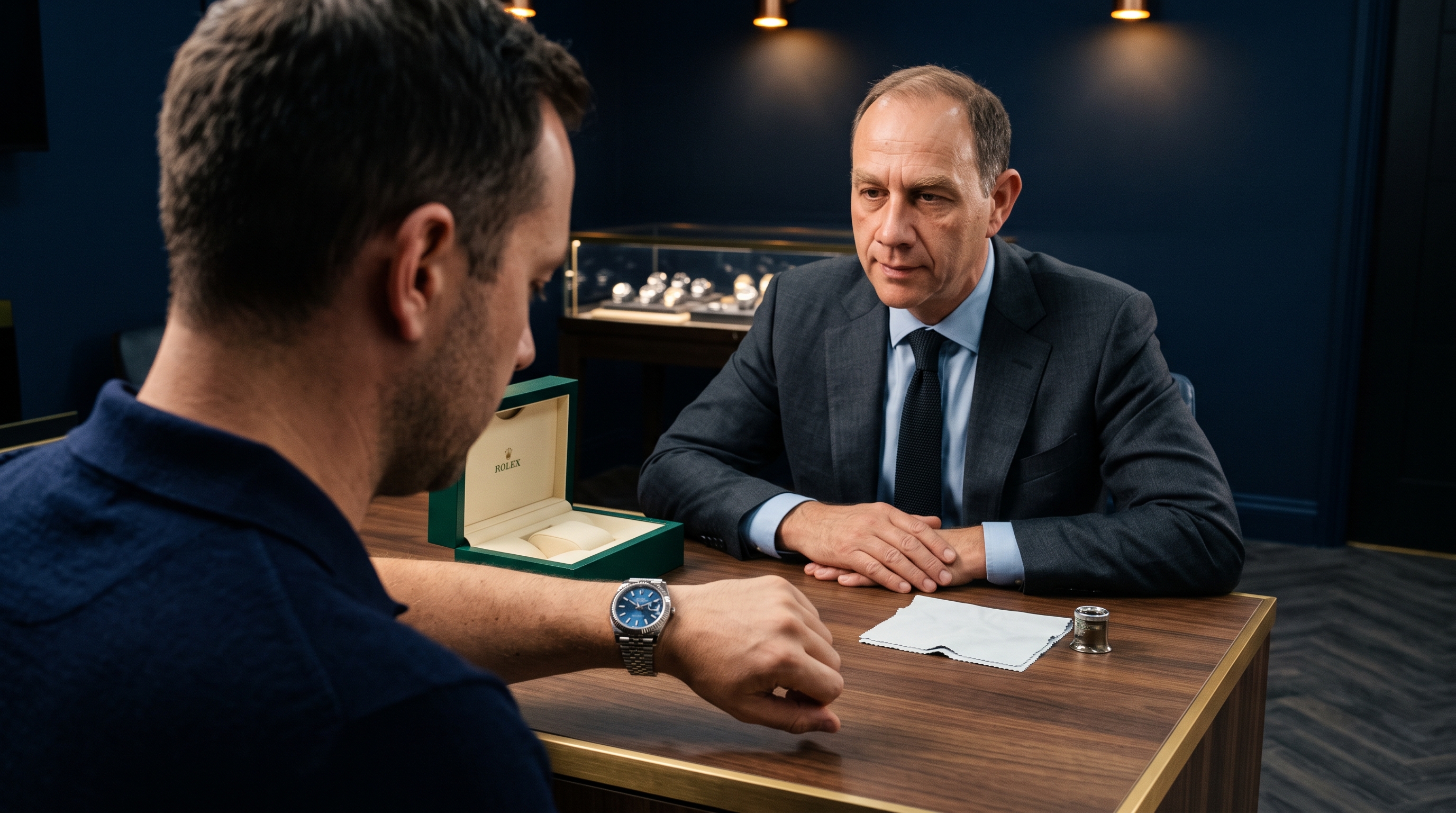
For luxury watch dealers, the first sale is rarely where the real value sits. The larger opportunity comes afterward, when a first-time buyer decides whether to return, refer a friend, or quietly take the next purchase elsewhere. According to Avi-Meir Zaslavsky, founder of 999Precious, dealers who treat the first transaction as the start of a long-term relationship build more stable businesses in the secondary luxury watch market.
"Most dealers work very hard to close the first deal and then disappear," says Avi-Meir Zaslavsky. "But a first-time buyer is still deciding whether they trust you. The watch is already on their wrist. What they are evaluating now is the dealer."
Why the First Purchase Is Only the Beginning
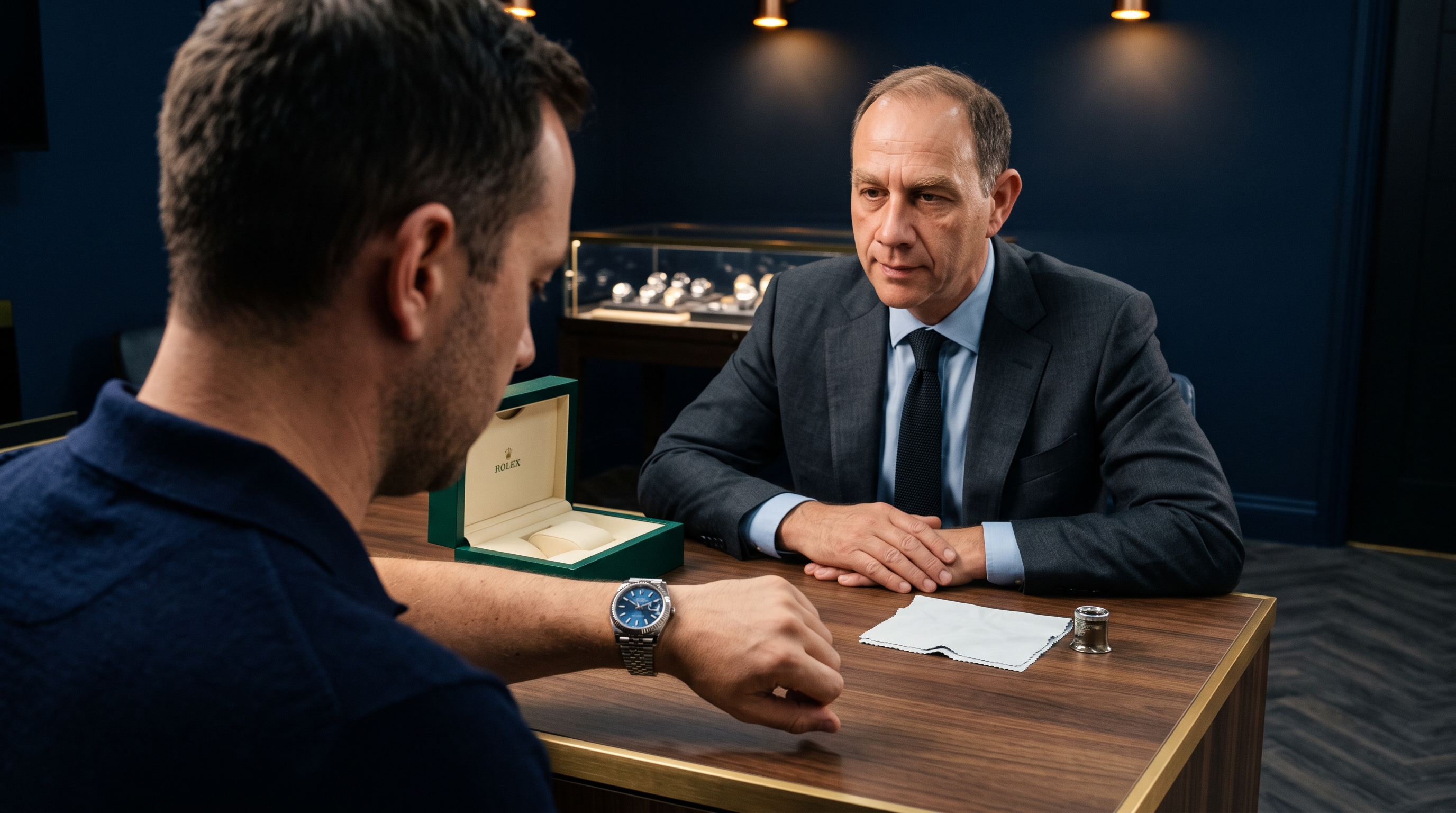
In the pre-owned luxury watch business, winning a new client usually takes more time and effort than serving an existing one. First-time buyers often arrive cautious. They have read about counterfeits, heard stories about inflated pricing, and may not yet understand how condition, original box and papers, or service history affect value.
Avi-Meir Zaslavsky sees a direct link between how a dealer operates and how a buyer behaves afterward.
"Buyers remember how a dealer handled their uncertainty," he says. "If you explained the condition honestly, showed them exactly what they were paying for, and didn't rush them, that is the story they carry with them. It is also the story they tell other people."
Transparency Builds the Foundation
Retention starts at the point of sale. Clear condition notes, documented authentication, disclosed service history, and an honest explanation of how the price relates to the current market give a new buyer something concrete to trust. That clarity matters even more in the secondary market, where two examples of the same reference can differ significantly in value.
In this business, price alone rarely wins loyalty. Anyone can be cheaper for one deal. What brings a buyer back is knowing that the information you gave them was accurate, and that it still holds up when they decide to sell or trade the watch later.
Follow-Up Without Pressure
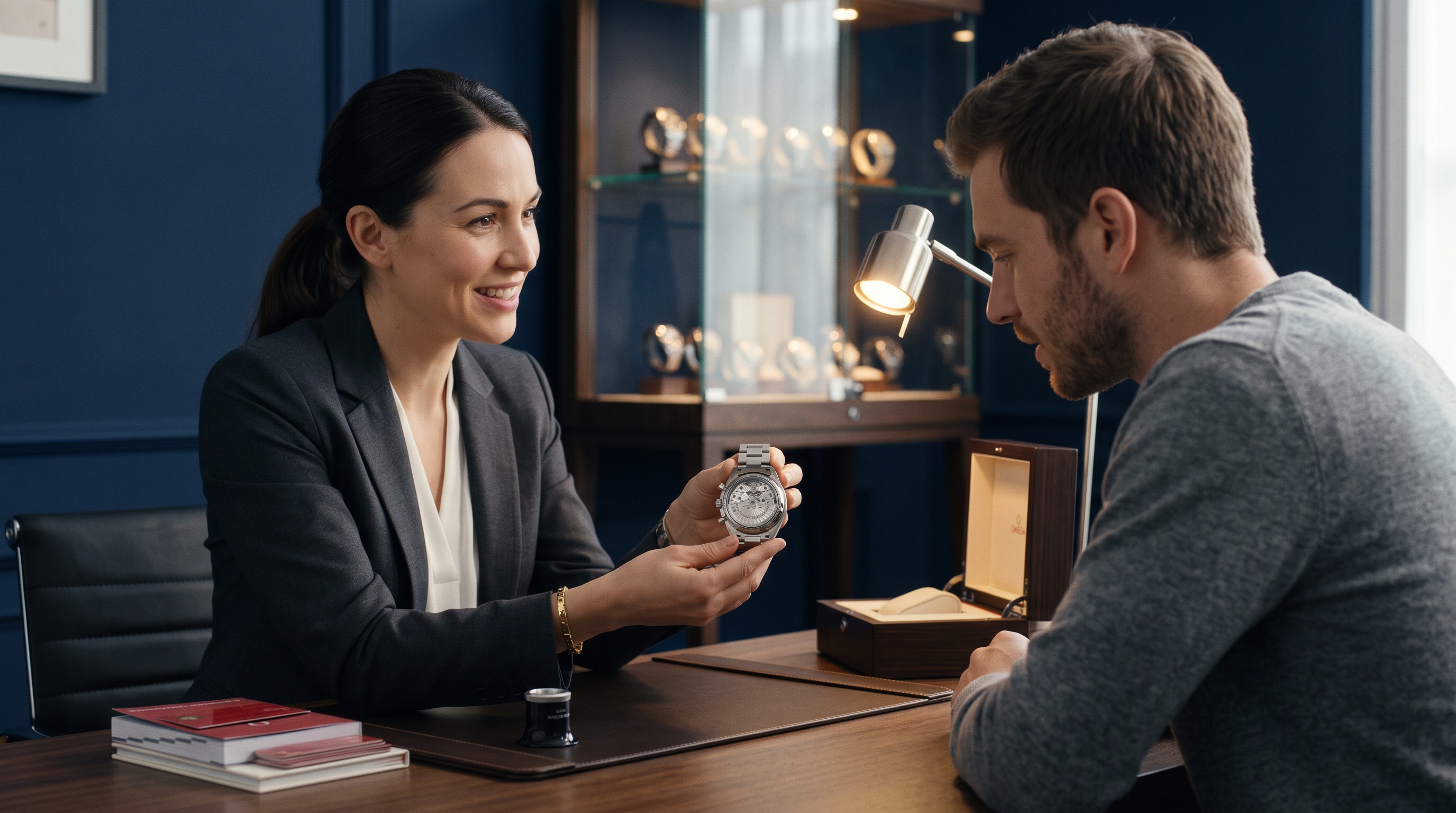
Many dealers lose repeat business simply by going silent after the sale, while others lose it by following up with nothing but offers. Avi-Meir Zaslavsky recommends a middle path: practical, relevant contact that serves the buyer first.
A good follow-up is not 'what else can I sell you'. It is 'how is the watch running, do you have any questions, here is what is happening in the market for the model you own.' That kind of contact keeps the relationship alive without making the buyer feel like a target.
Service reminders, care advice, and occasional market context tied to the buyer's own watch help keep the dealer relevant between purchases.
Understanding How Buyer Priorities Evolve
First-time buyers often begin with a recognizable name. Over time, their interests usually become more specific: particular references, vintage pieces, complications, or models that are difficult to find through retail channels. Dealers who pay attention to preferences, budget, wrist size, and style can offer the right piece at the right moment.
The second purchase is often more personal than the first. The first watch is usually about a brand. The next one is about taste. If a dealer has been listening, they already know what that buyer is looking for before the buyer says it out loud.
Private Access and the Value of Exclusivity
Returning buyers value access. Early notice on sought-after pieces, private viewings, and clear trade-in or upgrade paths give them reasons to stay with one dealer rather than shop the open market.
Repeat clients don't just want a watch. They want to be the first call. In the secondary market, access is often worth more than a small discount, because the most interesting pieces rarely sit in a public listing for long.
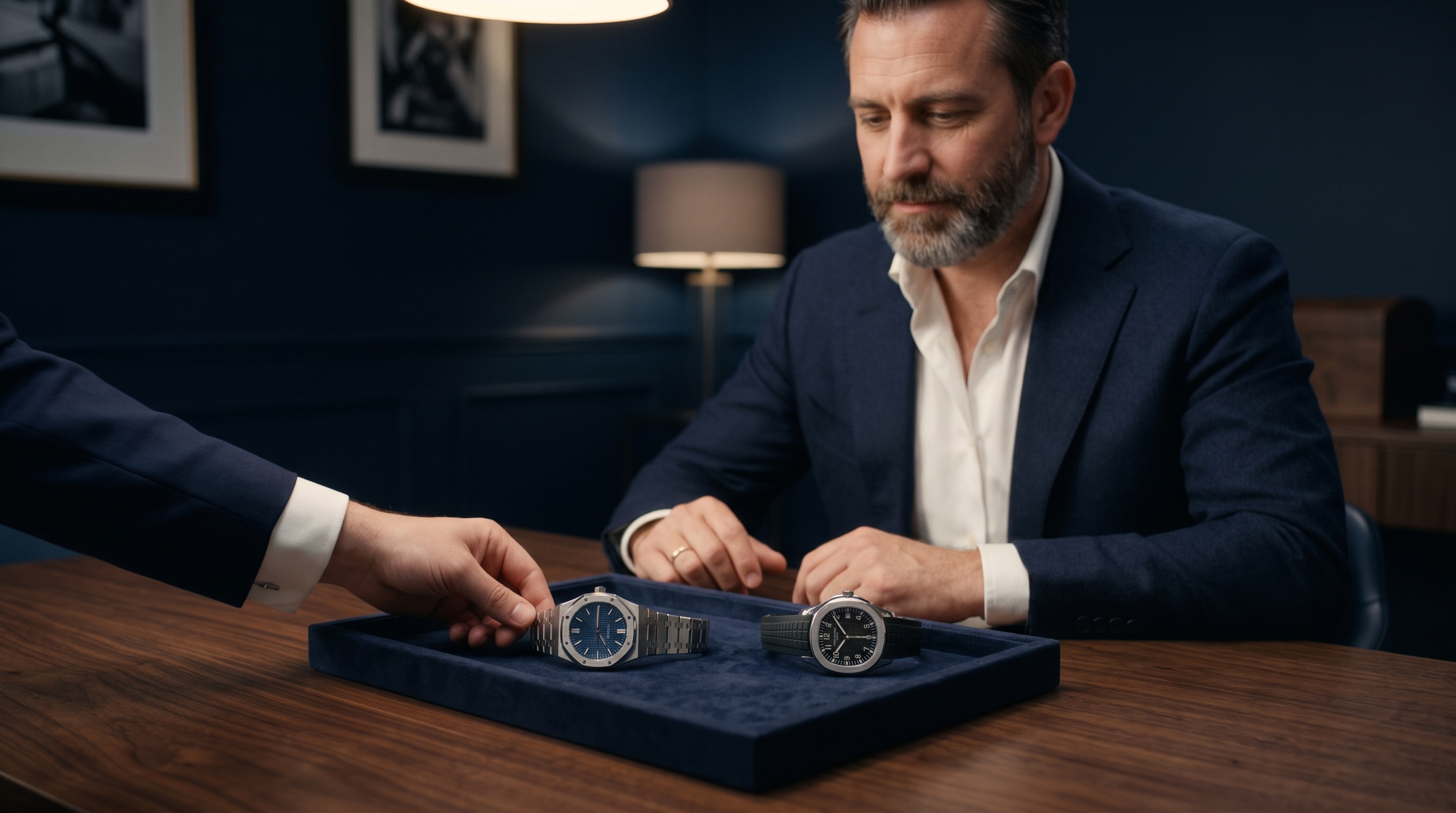
Discretion is part of the same equation. Many buyers prefer private transactions. They remember which dealers respected that, handled the details quietly, and never made the process feel exposed.
Training the Team to Think Long-Term
Client retention is not only the owner's responsibility. For dealers with staff, every interaction shapes whether a buyer returns, from the first phone call or message to the way a watch is packed, delivered, and supported after the sale. Buyers rarely separate an individual employee from the business itself, so a rushed answer or an unreturned call reflects on the dealer as a whole.
Consistent team training helps close that gap. Staff who are coached to educate rather than push can explain condition, authenticity, and pricing in plain language, which reassures first-time buyers who are still learning the market. Teams should also be prepared to answer difficult questions directly, including questions about service history, replaced parts, or why a particular example is priced above or below similar listings. Clear, honest answers at these moments often matter more to a new buyer than the final price.
Record-keeping is equally important. Noting each client's preferences, previous purchases, budget range, and the models they have asked about allows any team member to pick up the conversation where it last ended. When a returning buyer does not have to repeat themselves, the experience feels personal, and a single transaction starts to become an ongoing relationship.
Guiding Buyers Through Market Cycles
The secondary luxury watch market moves through periods of rising demand and periods of correction. During those shifts, buyers look for someone they can trust to explain what is happening.
"When the market moves, buyers get nervous," Avi-Meir Zaslavsky observes. "The dealers who explain the situation honestly, even when it doesn't lead to an immediate sale, are the ones those buyers come back to when they are ready to act."
He points out that this kind of perspective positions a dealer as an advisor rather than just a seller, which is the role most repeat clients are looking for.
Conclusion: Loyalty Is Built After the Sale
Turning first-time watch buyers into repeat clients is less about sales tactics and more about consistency. Honest condition reporting, pressure-free follow-up, attention to changing tastes, private access, a well-trained team, and clear guidance through market cycles all work toward the same goal: making the dealer the first and most trusted name a buyer thinks of when it is time to buy, sell, or upgrade.
For dealers, the practical takeaway is to measure success beyond the individual sale. A client who returns for a second purchase, trades in a watch for an upgrade, or refers a friend brings value that a one-time discount cannot match. In a secondary market where inventory, pricing, and demand change constantly, a base of loyal buyers who trust the dealer's judgment remains one of the most reliable foundations a watch business can have.