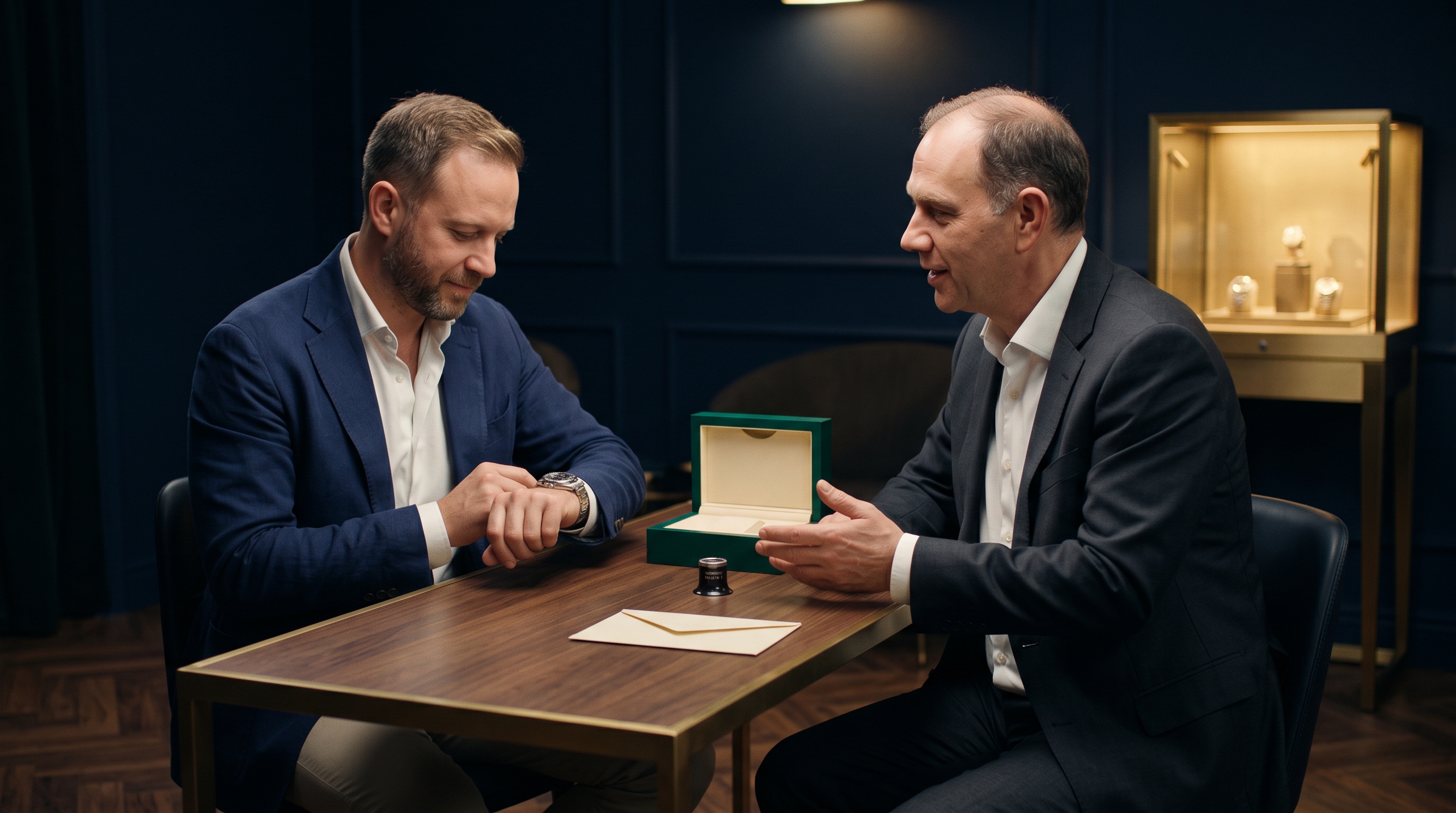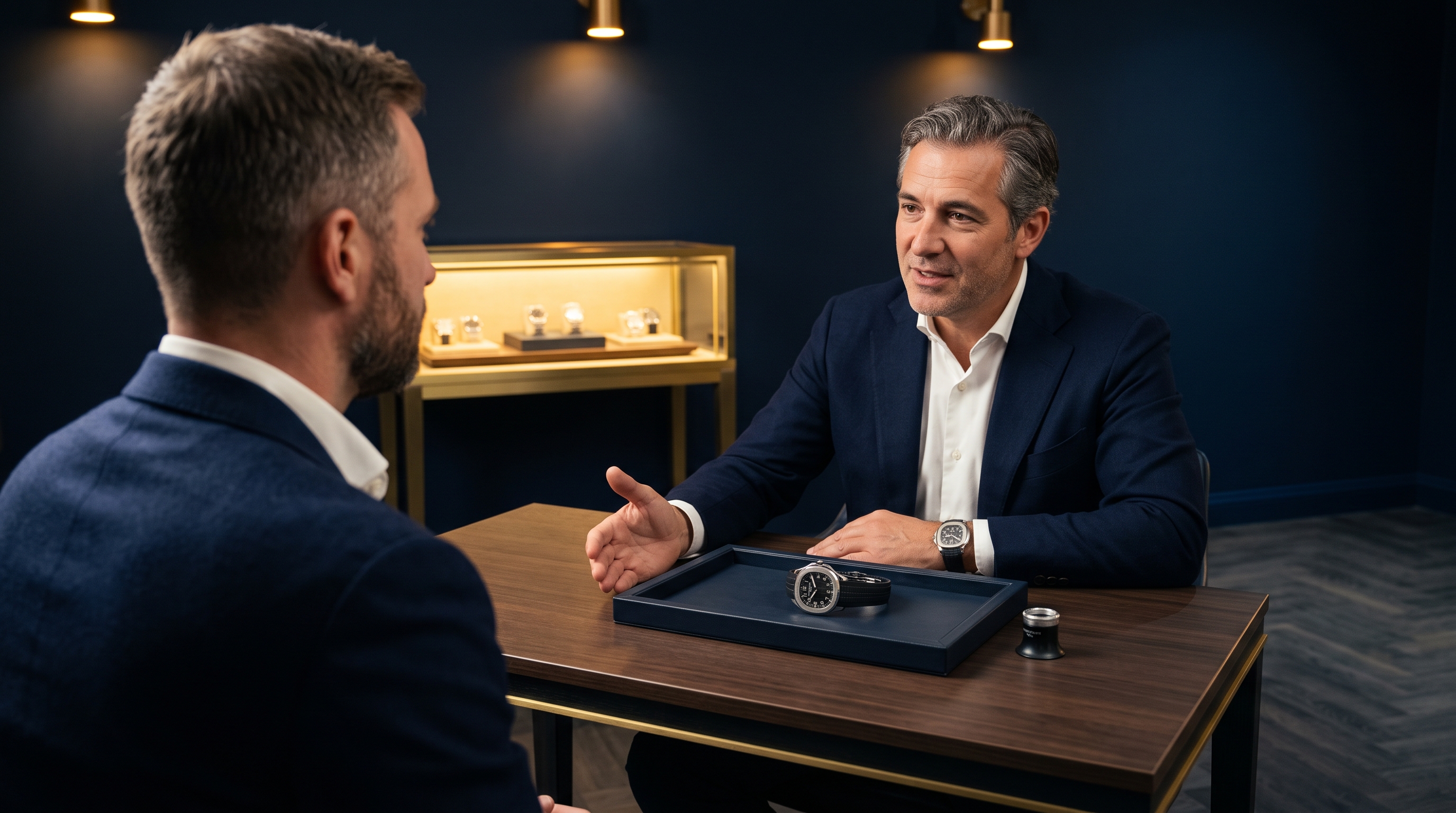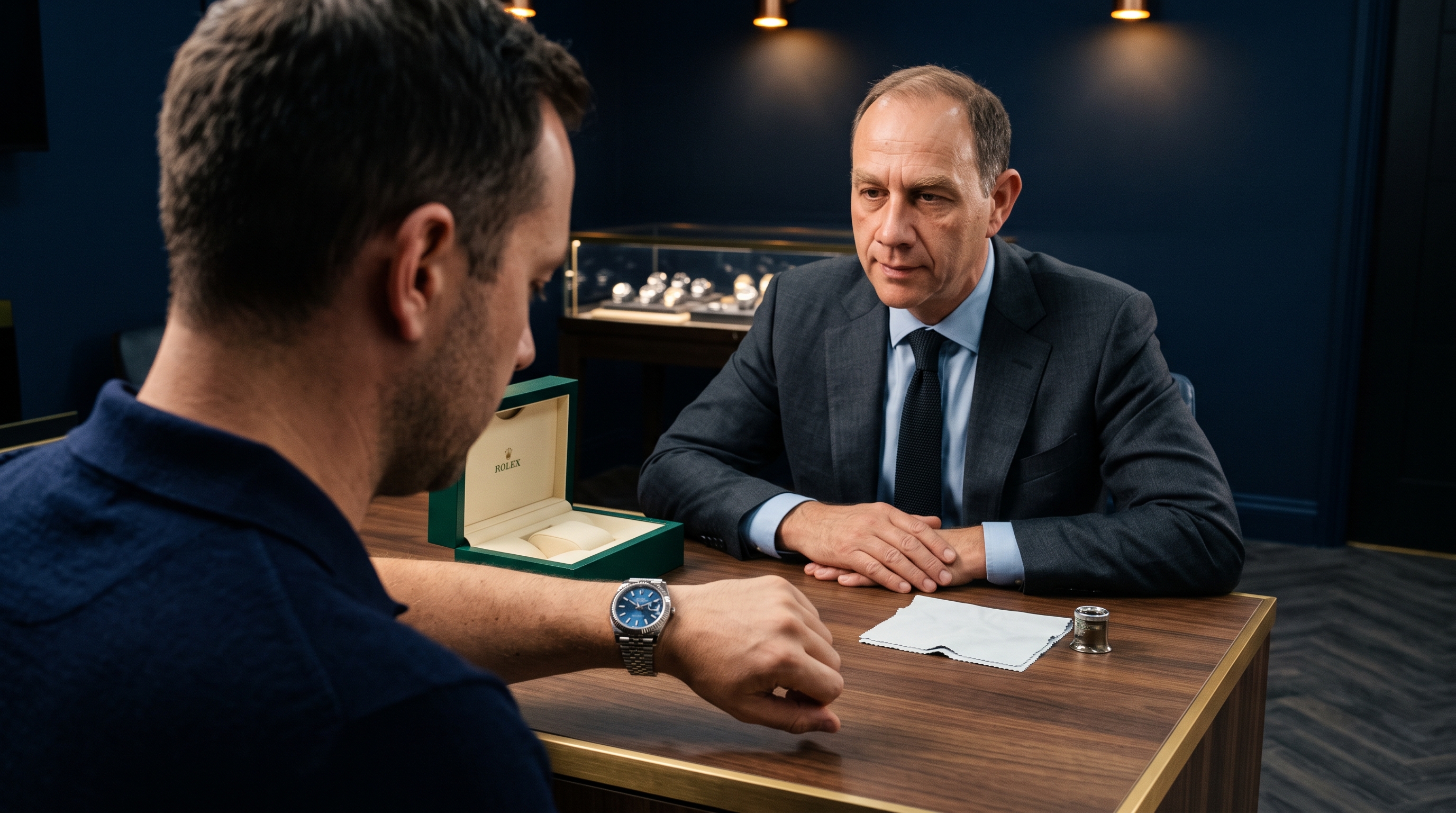
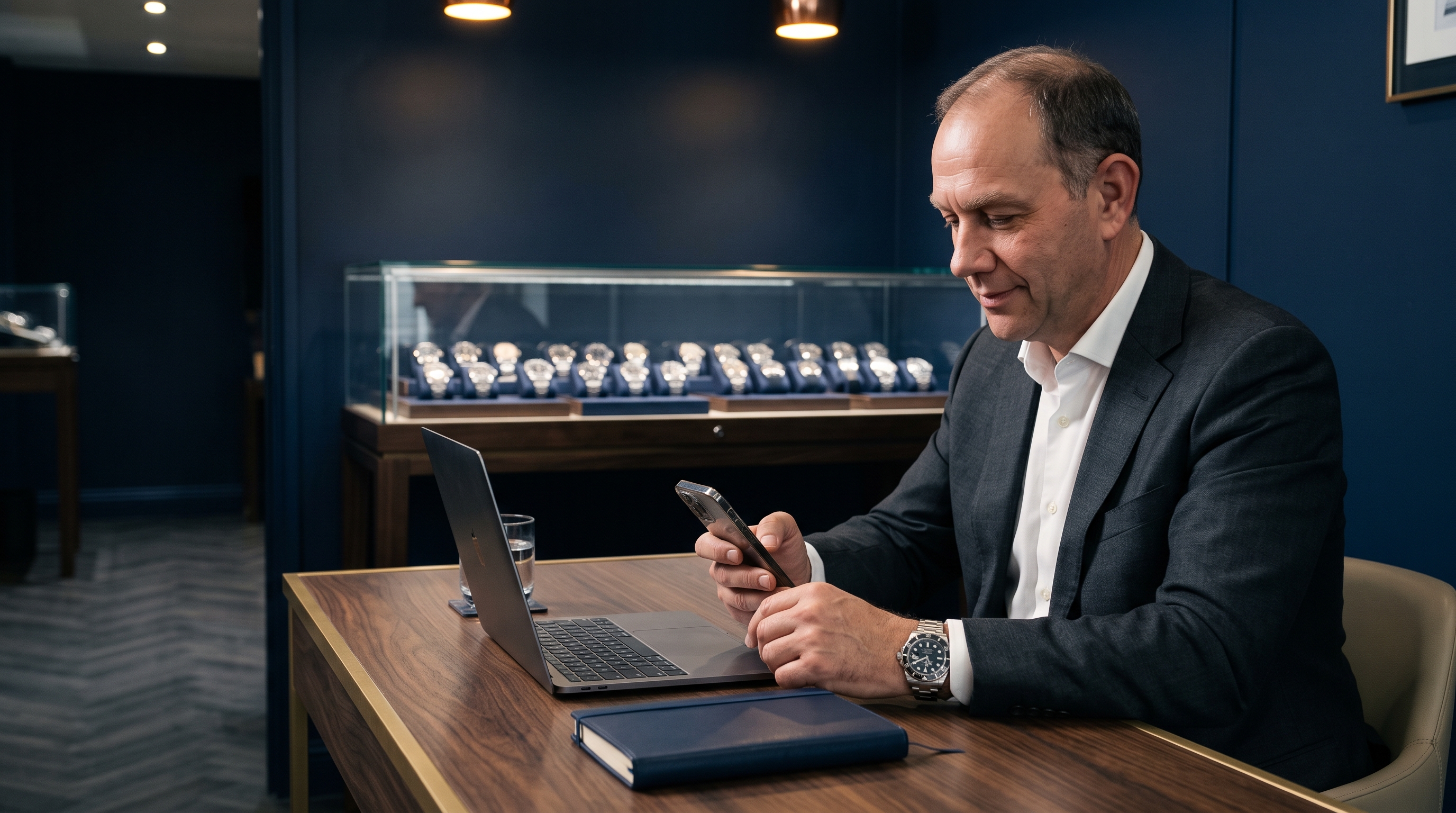
In the secondary luxury watch market, the most valuable asset a dealer controls is not always in the safe. Increasingly, it is time. Buyers now compare offers across several channels at once, and desirable references change hands within hours. The speed of a dealer's first reply has become a decisive factor in who wins the deal, who sources the next piece, and who earns a lasting place in a buyer's network.
Avi-Meir Zaslavsky, founder of 999Precious, argues that response time is one of the most underestimated metrics in the pre-owned watch business. In his view, it connects daily dealer operations directly to buyer behavior.
Most dealers think they compete on price or inventory. In practice, many deals are decided before price is even discussed. A buyer sends the same inquiry to several people. The first dealer who answers with something intelligent sets the frame for the entire conversation. Everyone who replies later is reacting to that frame.
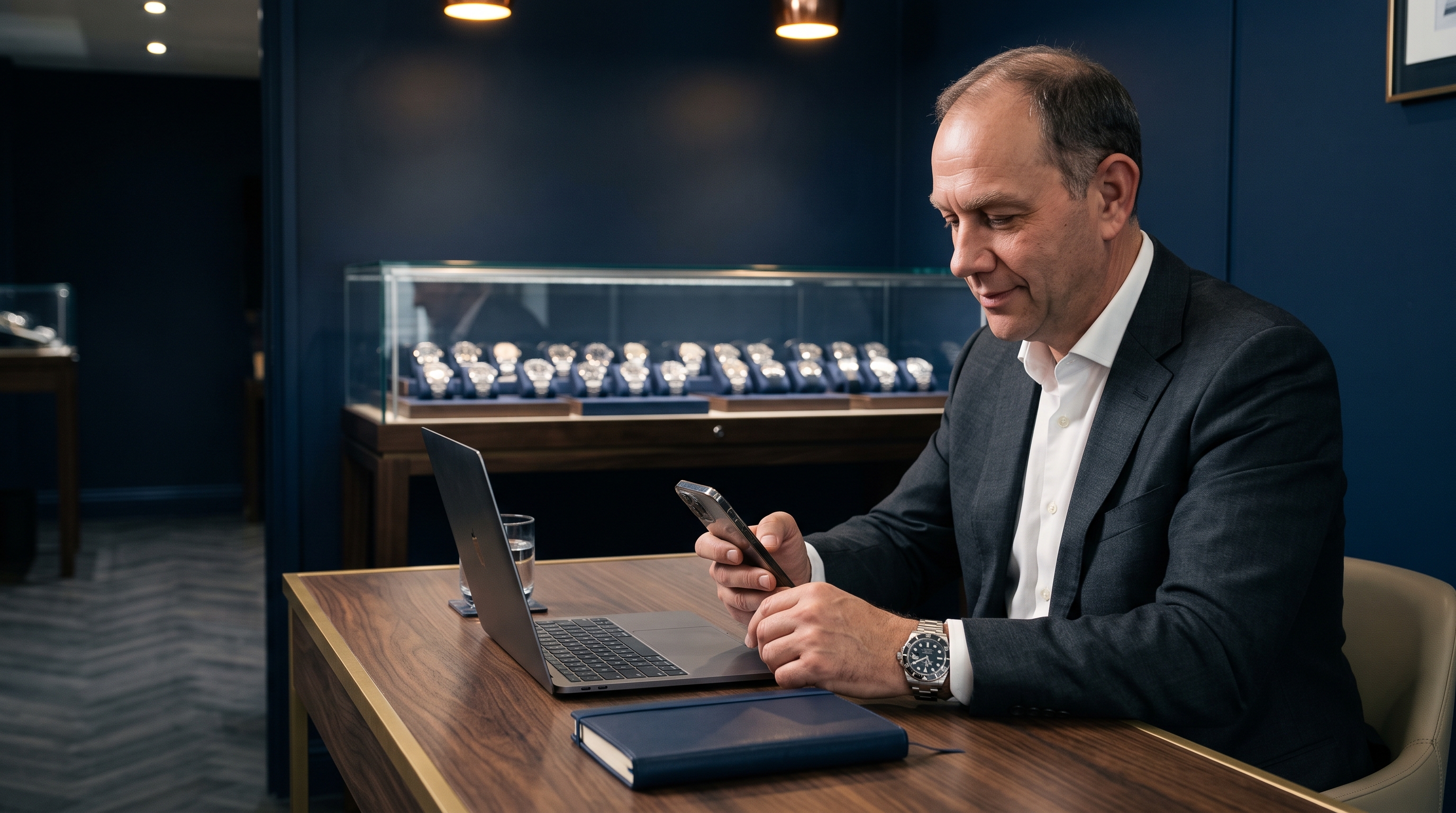
A Market Where Interest Has a Short Shelf Life
Sales research supports what experienced dealers already sense. A widely cited Harvard Business Review study, "The Short Life of Online Sales Leads," found that firms contacting potential customers within an hour of a query were nearly seven times as likely to qualify the lead as those that tried even an hour later, and more than 60 times as likely as companies that waited 24 hours or longer. The study was not specific to horology. Avi-Meir Zaslavsky believes the effect is even stronger in luxury watches, because emotion, scarcity, and competition compress the buying window.
"A watch inquiry is emotional energy with an expiration date," Avi-Meir explains. "When a buyer finally decides on a specific reference, they want to move. If you leave them waiting until tomorrow, the excitement doesn't disappear. It goes to someone else. Speed isn't about pressure. It's about meeting the client at the moment their interest is highest."
Speed as a Signal of Trust
In a business built on authenticity, provenance, and discretion, a fast answer does more than capture attention. It communicates competence. Buyers in the pre-owned segment read response time as a preview of how a dealer will behave throughout the entire transaction.
When someone is about to send a significant amount of money for a watch they have only seen in photos, every signal matters. A prompt, clear, knowledgeable reply tells the buyer that this person is organized, knows the piece, and will be there if something needs to be resolved. Silence tells them the opposite, even if the dealer is perfectly honest.
He emphasizes that speed without substance can backfire. A one-line "still available" message rarely moves a serious buyer. What builds trust is a fast reply that already contains what the buyer needs: condition notes, box and papers status, service history, additional photos or video, and a clear next step.
"Fast and vague is just noise," Avi-Meir Zaslavsky adds. "Fast and precise is professionalism. The goal is to answer quickly and answer well, ideally in the same message."
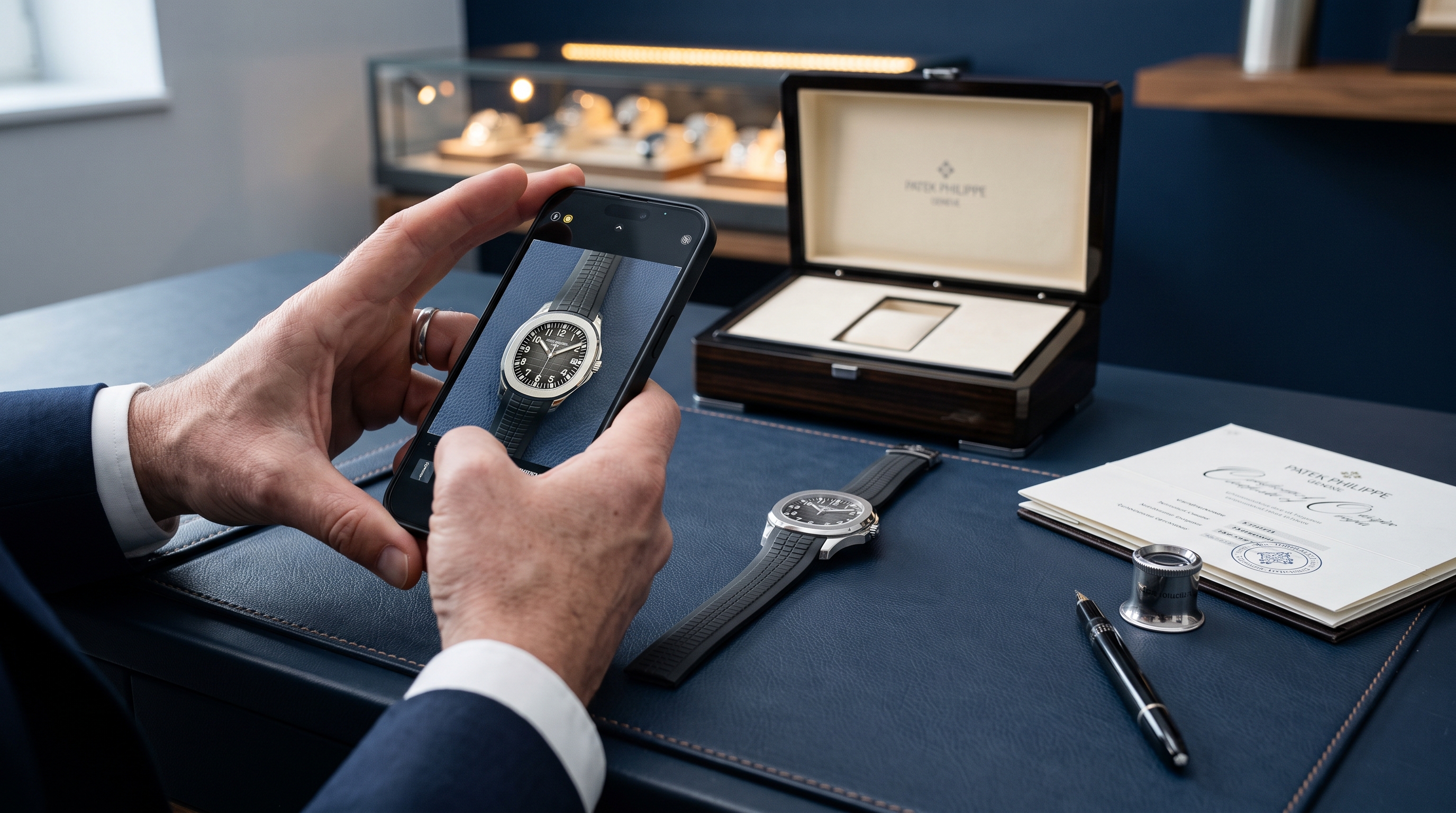
Private Transactions Move at the Speed of Relationships
Much of the upper end of the watch trade happens away from public listings, through private messages, closed dealer groups, and direct referrals. In these circles responsiveness determines who receives the first call when a rare piece surfaces.
The best watches often never reach a public listing. They are offered quietly to a short list of people the seller trusts to act. If you are the dealer who confirms within minutes, you stay on that list. If you need two days to decide, you slowly disappear from it. Nobody tells you that you were removed. The offers just stop coming.
This makes response speed a sourcing strategy as much as a sales tactic. The same discipline that closes buyers also secures inventory. It matters most in private purchases, where sellers are often collectors parting with a single cherished piece and value certainty and respect for their time.
Reading the Market in Real Time
Avi-Meir Zaslavsky also links fast communication with market awareness. Secondary-market pricing shifts with demand for particular references, new releases, and broader economic sentiment. The dealers who respond quickly tend to be the ones already tracking these movements.
"You cannot quote confidently in five minutes unless you already know where the market is," he explains. "Fast dealers are usually informed dealers. They know recent transaction levels, which references are moving and which are sitting, and they can make a decision without calling three people first. Speed is the visible result of preparation."
Building a Fast-Response Operation
For dealers looking to improve, Avi-Meir recommends treating responsiveness as a system rather than a personality trait. That system has three parts: clear ownership of incoming inquiries, standardized condition reports and photo sets for every piece in stock, and pre-approved pricing ranges so staff can reply without waiting for sign-off.
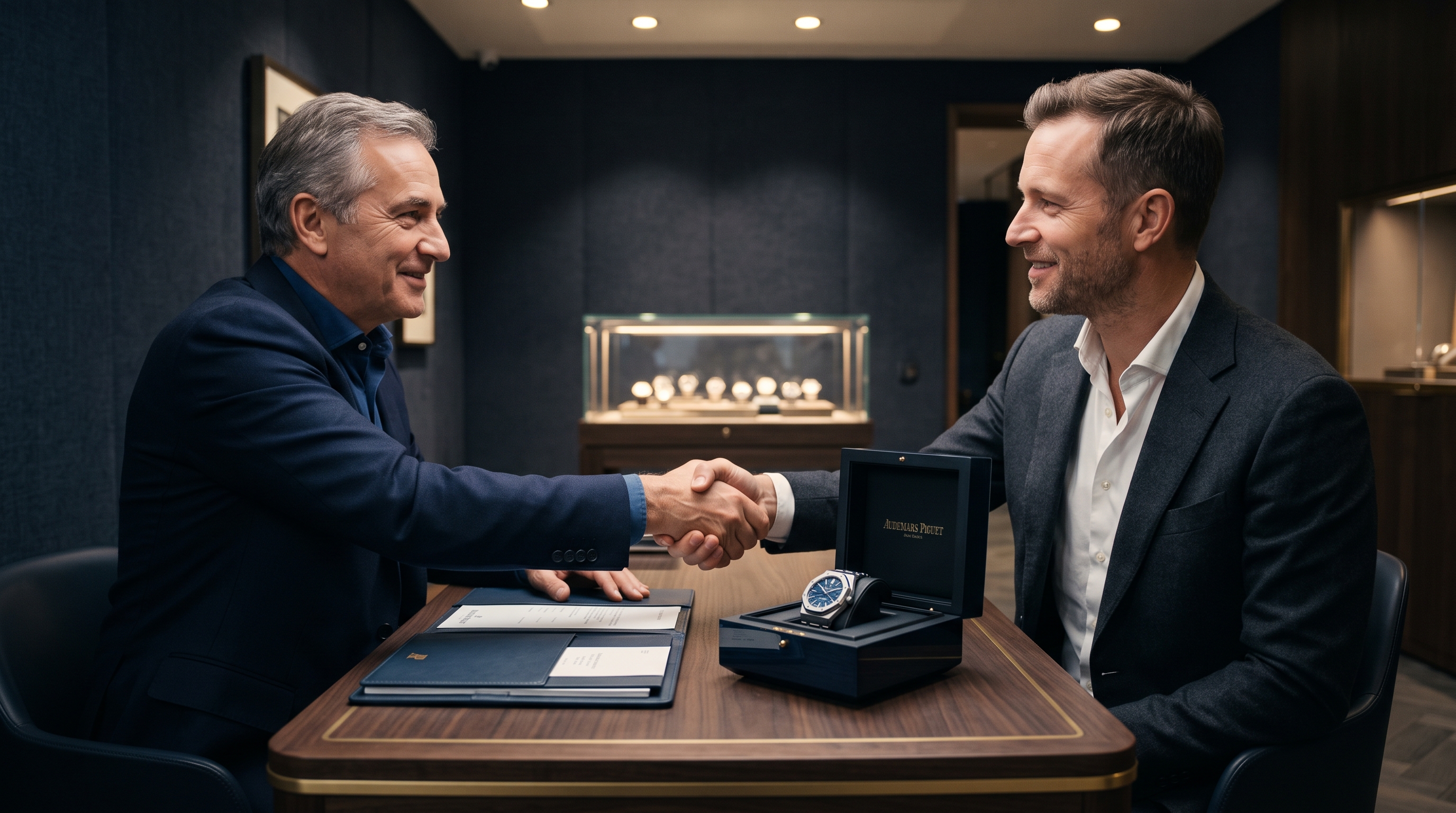
Speed should not depend on one person checking their phone. Teach your team what a complete first answer looks like. Prepare your materials before the question comes. Decide your pricing boundaries in advance. Then responding fast becomes normal, not heroic.
Conclusion: In the Watch Trade, Time Is Also a Currency
The secondary luxury watch market rewards dealers who combine knowledge, integrity, and timing. Buyers compare options simultaneously and the most desirable pieces trade privately, so the window between interest and decision keeps narrowing. Dealers who respond quickly and precisely will close more transactions. They also become the trusted first call for both buyers and sellers.
"Every watch has a price, and every deal has a moment," Avi-Meir Zaslavsky concludes. "Most dealers study the first and ignore the second. The ones who respect the moment, who answer while the client is still excited and the seller is still deciding, build a reputation that lasts longer than any single sale."