In the secondary luxury-watch market, reputation used to travel by phone call and handshake. A dealer was known by the people who had bought from them, sold to them, or traded alongside them for years. That network still matters, but the first impression has moved. A serious buyer now forms an opinion about a dealer before sending the first message. They study the listings and photographs, how quickly the dealer responds, and the way the business talks about the watches it sells.
According to Avi-Meir Zaslavsky, founder of 999Precious, this shift has changed what reputation means for professional dealers.
"Most dealers still think trust starts when the client calls," says Avi-Meir Zaslavsky. "It doesn't. By the time a buyer reaches out about a serious piece, they have already looked at your photos, read your descriptions, checked how you handled your last problem in public, and compared you with other dealers holding the same reference. In the secondary market, the watch is often identical from one seller to the next. What isn't identical is the confidence the buyer feels about the person behind it. That confidence is built online now, quietly, and every listing either adds to it or takes from it."
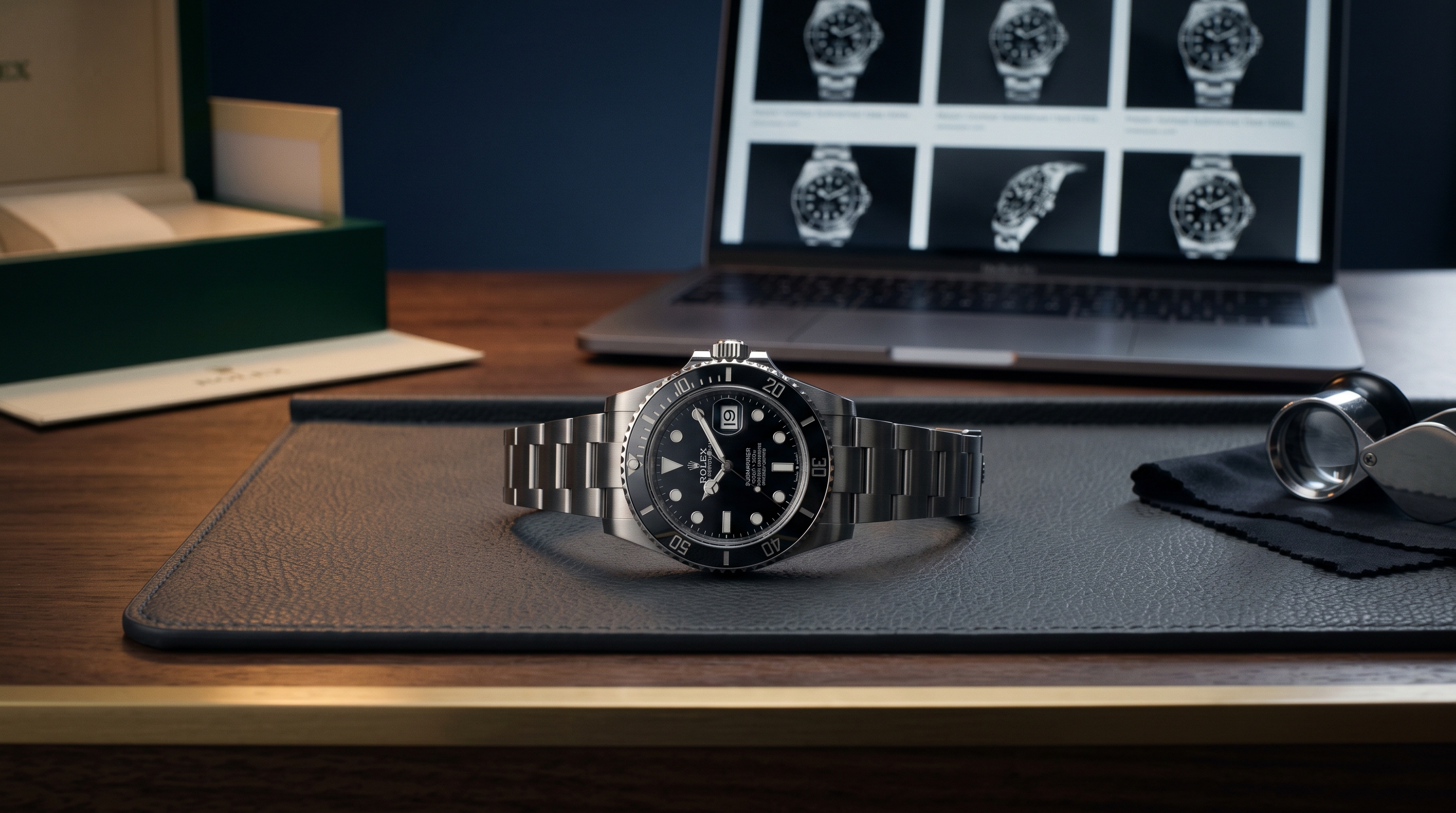
The framework below is for dealers who want their online presence to match the standard they keep offline.
Why Online Trust Comes Before the First Conversation
Pre-owned luxury watches are expensive and bought infrequently. Buyers can't hold the piece before they decide whether it deserves their attention, so they inspect the dealer instead. They look for signals that reduce uncertainty:
- accurate information
- visible expertise
- consistent behavior
- evidence that the business will still be there if something goes wrong
This is why two dealers with similar inventory can get very different results. One is treated as a trusted source and the other as just another listing. Price is rarely the whole difference. Buyers respond to small public details that add up to an answer to one question: will this transaction be straightforward?
Listings That Tell the Whole Truth
A listing is the most visible statement a dealer makes, and it should read like the work of a specialist.
Use complete, precise data. Include the full reference number, case material and size, dial variant, movement caliber where relevant, approximate production period, and bracelet or strap details. Vague titles invite suspicion. Precise ones invite inquiries.
Photograph the flaws, not just the angles. Buyers expect wear on a pre-owned watch. What damages trust is finding it later. Clear images of case scratches, bracelet stretch, lume condition, and caseback markings show that nothing is being hidden.
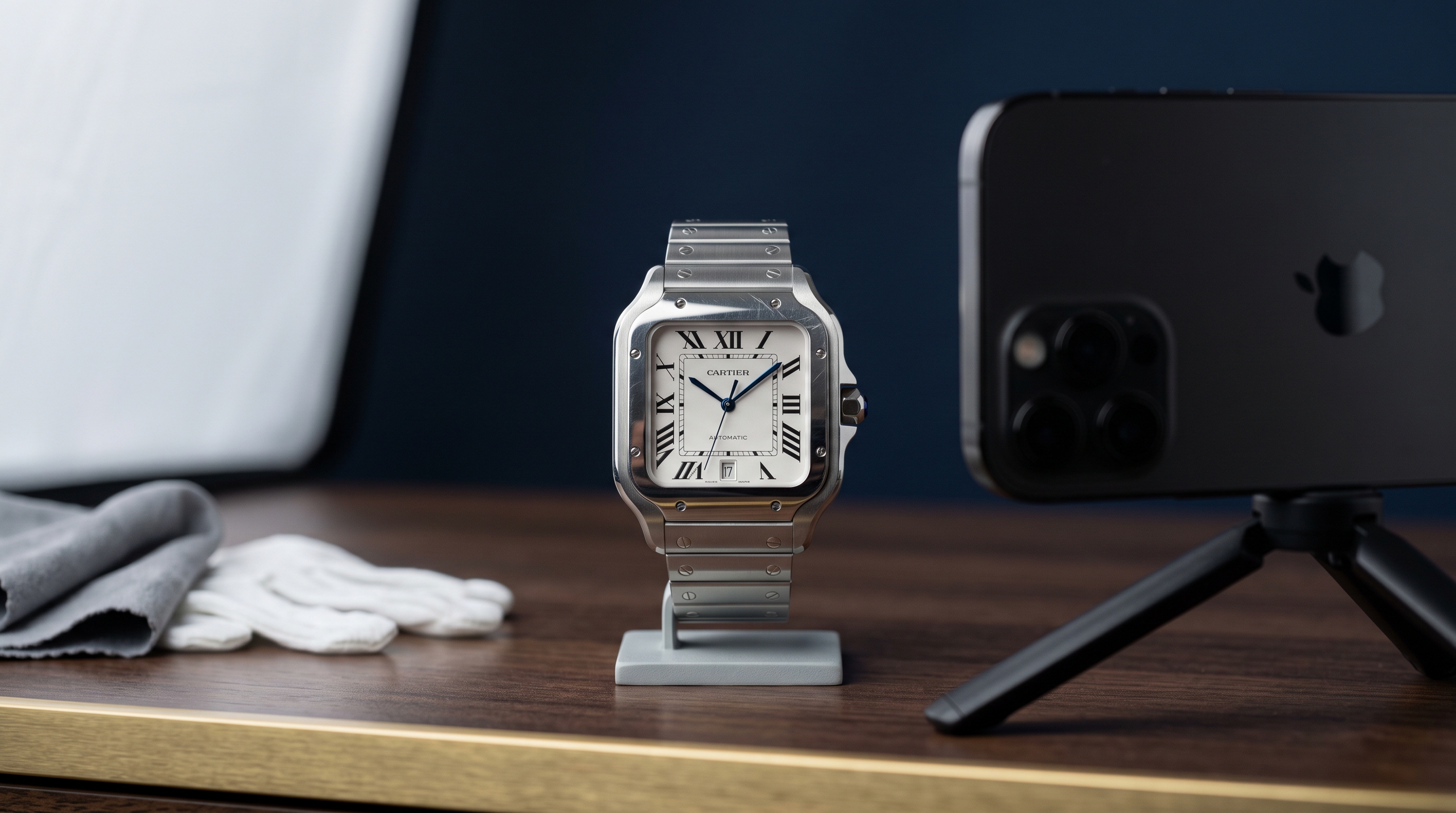
State the set honestly. List exactly what is included (box, papers, warranty card, service documents, extra links) and what is not. "Full set" should mean full set.
Grade condition consistently. If a dealer uses a grading scale, each grade should mean the same thing on every listing. Inconsistent grading tells buyers that the descriptions are marketing rather than assessment.
Disclose service history and modifications. Replacement parts, refinished dials, aftermarket bezels, and polished cases all affect value. Disclosing them up front protects both the sale and the dealer's name.
Provenance and Verification as a Public Standard
Authenticity is the central worry in the secondary watch market, and dealers who address it openly stand out. When a dealer explains how watches are inspected (what is checked, by whom, and how discrepancies are handled), an invisible process becomes a visible commitment.
Practical steps include:
- publishing a clear authentication policy
- keeping service and purchase records organized for buyers who request them
- partially masking serial numbers in photos, which protects the piece while still showing that documentation exists
When provenance is part of a watch's value, the supporting paperwork should be presented as carefully as the watch itself.
"Private transactions run on information asymmetry, and buyers know it," Avi-Meir Zaslavsky explains. "The seller usually knows more than the buyer about the watch, its history, and its real market position. A professional dealer closes that gap on purpose. When you show the paperwork, the service history, and the honest condition, and you explain how you verified it, you're telling the buyer they aren't playing against you. So much in this market still happens privately and off the record. That openness is what separates the dealers people come back to from the ones they use once."
Consistency Across Every Channel
Buyers rarely meet a dealer in only one place. They may find a listing on a marketplace, check the website, scroll through social media, and then send a message. Each touchpoint should confirm they are dealing with the same business.
That means keeping these the same everywhere:
- name and visual identity
- return and authentication policies
- tone in captions and replies
- level of detail
A polished website next to careless marketplace listings creates doubt. Consistency shows buyers that high standards are part of how the business runs, not an occasional effort.
Response behavior counts too. Clear, professional replies, including replies to inquiries that never become a sale, show buyers how they will be treated once money is involved.
Content That Shows Insider Knowledge
Expertise is easier to claim than to prove, and buyers can tell the difference. Dealers who publish genuinely useful information earn credibility that advertising can't buy.
Effective content tends to be specific. Good subjects include:
- how to tell reference variants apart
- what drives the value of a particular model
- why certain dial or bracelet details matter
- how servicing affects resale
Measured commentary on market movement also helps: which segments are cooling, which stay liquid, and why. It shows that a dealer understands the market and doesn't just sell into it.
Tone matters as much as topic. Calm, factual explanation builds authority. Hype, exaggerated "investment" claims, and constant urgency wear it down, especially with experienced collectors who have watched market cycles turn.
Reviews, Disputes, and Handling Problems in Public
Every dealer eventually faces a delayed shipment, a disagreement over condition, or an unhappy client. Online, how the problem is handled often matters more than the problem itself.
A prompt, professional, non-defensive response shows future buyers that issues get resolved rather than ignored. Asking satisfied clients for honest reviews builds a visible track record over time. Deleting or arguing with every criticism suggests a business that cares more about appearances than accountability.
Protecting Reputation in a Noisy Market
The online watch market is crowded with resellers, speculators, and listings that promise more than they deliver. Dealers protect their standing by refusing to compete on noise:
- no artificial urgency
- no overstated rarity or future value
- a willingness to pass on watches whose authenticity or history can't be confidently established
Turning down a questionable piece rarely shows up in public, but its effects do: fewer disputes, fewer returns, and a record that buyers and fellow dealers can rely on.
Conclusion: Reputation Is Built Before the First Handshake
Trust in the secondary luxury-watch business is still earned through fair dealing and consistent behavior. What has changed is where buyers look for proof. Accurate listings, transparent provenance, consistent communication, and genuine expertise now form a dealer's public record, and buyers read it before any transaction begins.
"The market will keep moving. Prices rise, references cool, and demand shifts from one segment to another," says Avi-Meir Zaslavsky. "Reputation is the one asset that keeps compounding through all of it. A dealer known for describing watches honestly and handling problems properly will find buyers in a strong market and a weak one. Online, everything you publish becomes part of that record. Treat every listing as if your name is engraved on the caseback, because to the buyer, it is."