In the secondary luxury-watch market, dealers often measure their strength by what sits in the safe: the number of references, the rarity of the pieces, the total value of stock on hand. Experienced professionals know that inventory is only half of the equation. The other half, and often the more decisive one, is reputation. It determines who gets the first call, who is offered the best pieces before they reach the open market, and which buyers are willing to wire substantial sums for a watch they have only seen in photographs.
Avi-Meir Zaslavsky, founder of 999Precious, has spent years watching how dealers, collectors, and private buyers actually make decisions. His view is direct. In a business built on high-value, low-frequency transactions, trust is not a soft concept. It is a commercial asset, and it is often worth more than any single watch a dealer can buy.
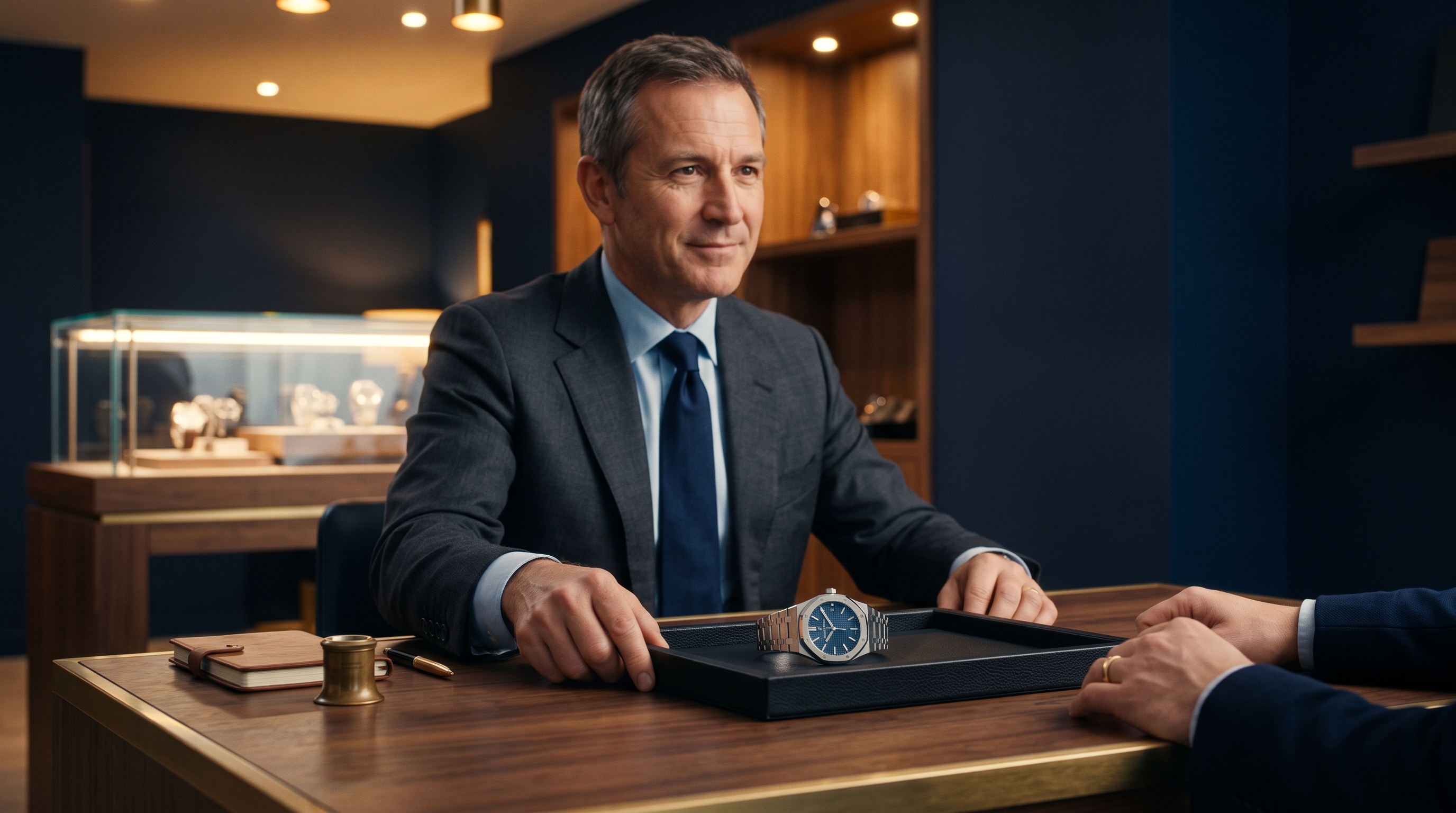
The Asset That Never Appears on a Balance Sheet
Inventory is visible. It can be counted, photographed, insured, and valued. Reputation is harder to quantify, which is exactly why many dealers underestimate it. Its effects still show up everywhere in a dealer's operations: how quickly watches sell, how much room there is in negotiation, how often clients return, and how many referrals arrive without any advertising spend.
A dealer with strong inventory but a weak reputation has to keep proving themselves. Every sale starts from zero. Buyers ask for more documentation, more photos, more discounts, and more time. A dealer with a strong reputation starts each conversation with credit already in the bank. The watch still matters, but the buyer's main question, "Can I trust this person?", has already been answered.
Buyers Purchase the Dealer Before the Watch
In the pre-owned luxury segment, buyers face real uncertainty. Condition, authenticity, service history, originality of parts, and provenance all affect value, and few buyers can verify all of them on their own. That uncertainty shifts the weight of the decision from the object to the person selling it.
"Most buyers think they are choosing a watch, but what they are really choosing is a dealer," says Avi-Meir Zaslavsky. "The same reference can be listed by ten different sellers. The client goes with the one whose word they trust, because that person is effectively guaranteeing everything the buyer can't check for themselves."
This is why two dealers offering the same model at a similar price can see completely different results. One closes the sale in a day. The other waits for weeks. The difference is rarely the watch. It is the confidence the buyer feels in the person behind it.
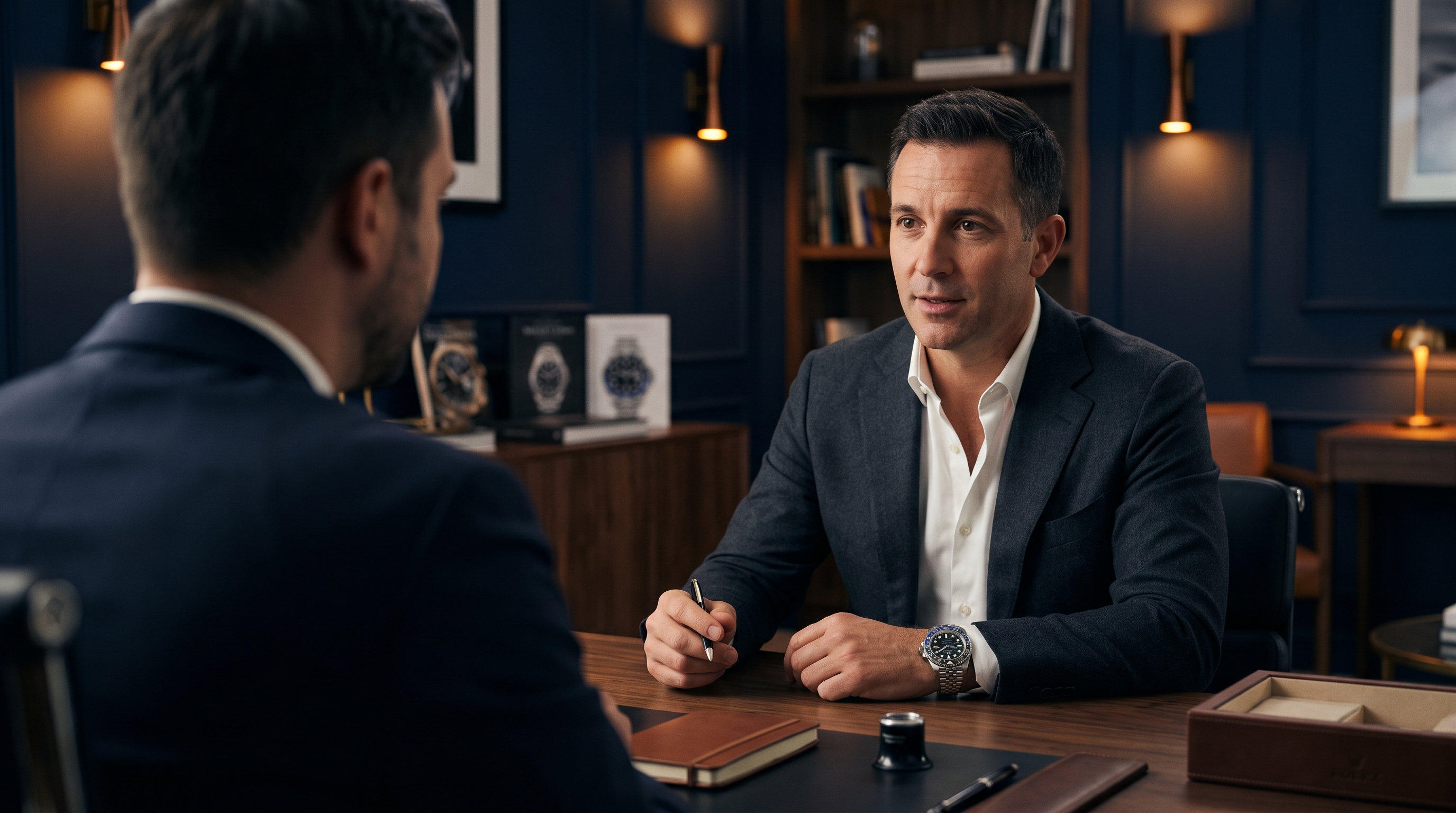
Private Transactions Run on Trust
Much of the serious activity in the secondary watch market happens away from public listings. Rare references, limited editions, and high-value pieces often change hands through private networks: dealer-to-dealer deals, direct introductions, and conversations between people who already know each other's track record.
These transactions move fast and carry significant risk. Payments are large, timelines are short, and much of the process relies on verbal agreements and personal assurances. In that environment, reputation is the infrastructure that makes the deal possible at all.
"In private deals, nobody has time to build trust from scratch," Avi-Meir Zaslavsky explains. "When a serious piece comes up, the owner calls the people they already believe in. If your name isn't on that short list, it doesn't matter how much capital you have or how good your stock looks. You simply don't get the call."
For dealers, this means the best opportunities are often allocated before the market ever sees them. Access is earned, not bought. It is earned through a consistent history of honest dealings, fair pricing, and kept promises, including the inconvenient ones.
How Reputation Turns Into Access and Liquidity
Reputation shapes both sides of a dealer's business. On the sourcing side, trusted dealers receive offers from collectors who want to sell discreetly, from families looking for a fair valuation of inherited pieces, and from other dealers who prefer a reliable counterparty. On the sales side, a trusted dealer moves inventory faster, because buyers spend less time hesitating and more time deciding.
This directly affects liquidity, one of the most important factors in the watch trade. Capital tied up in slow-moving stock limits a dealer's ability to act when the right opportunity appears. A dealer whose reputation shortens the sales cycle effectively gains working capital without adding a single dollar.
Reputation also protects margin. Buyers who trust a dealer are less likely to push for aggressive discounts, because they understand they are paying not only for the watch but for the certainty that comes with it: accurate descriptions, honest condition grading, and support after the sale if something goes wrong.
Inventory Can Be Replaced. Credibility Cannot.
Market cycles change what is in demand. Models that sell instantly one year may sit for months the next. Inventory can lose value, fall out of fashion, or become difficult to move. A dealer with a strong reputation can always rebuild stock, because sellers and buyers keep coming back.
The reverse is not true. A single misrepresented watch, a missed delivery, or a poorly handled dispute can undo years of careful work. In a close-knit industry, information travels quickly, and a damaged reputation rarely stays private.
"You can recover from a bad purchase. Everyone in this business has bought the wrong watch at some point," says Avi-Meir Zaslavsky. "What's much harder to recover from is a client who feels misled. Lose money, and you can earn it back. Lose credibility, and you're starting over, with a story already following you."
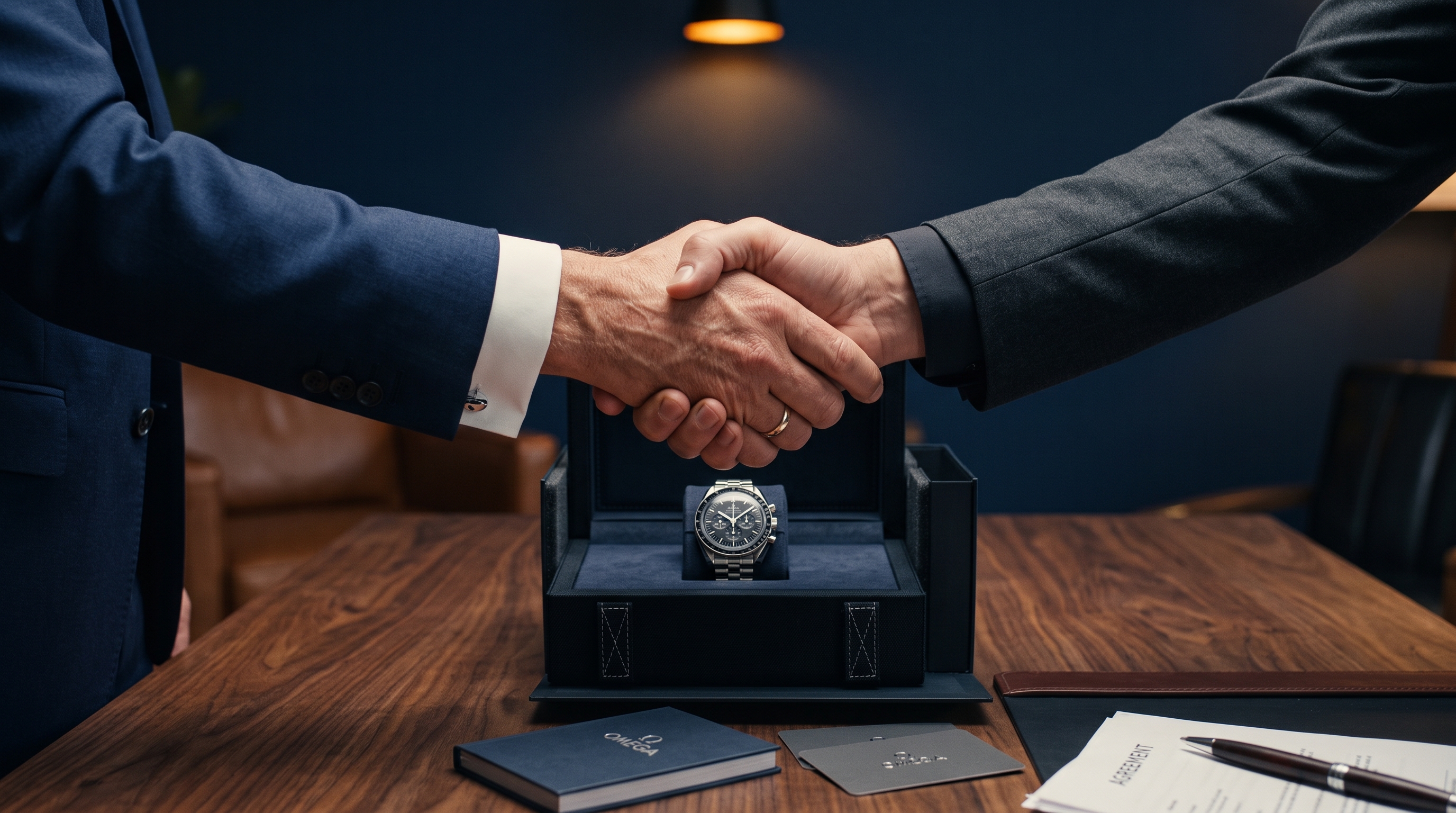
Building Reputation as a Daily Discipline
Reputation is not built through branding alone. It is built through repeated, observable behavior, and dealers who treat it as an operational priority tend to share a set of practical habits.
They describe watches accurately, including flaws, replaced parts, and service history, rather than letting buyers discover them later. They respond quickly and clearly, because silence during a transaction creates doubt. They price consistently, so clients never feel the number depends on who is asking. They honor commitments even when a deal becomes less profitable. And they handle problems openly, since the way a dealer resolves a dispute often says more about them than a dozen smooth sales.
Consistency across every touchpoint matters just as much. Online listings, social media, private messages, and in-person meetings should all reflect the same standards. Buyers notice when a dealer's public image and private conduct don't match. The dealers with the strongest reputations tend to be the most predictable: clients know exactly what to expect, and that predictability is what makes them comfortable committing significant amounts.
Team behavior is part of the equation too. As a watch business grows, reputation is no longer carried by the founder alone. Every employee who answers a message, ships a package, or quotes a price is either building or eroding the company's name. Training staff to communicate with the same honesty and care is one of the most effective long-term investments a dealer can make.
Conclusion: The Most Valuable Piece Is Never in the Safe
Inventory will always be central to the watch business. Without the right pieces, there is nothing to sell. But inventory is temporary by nature: it is bought, sold, and replaced. Reputation is cumulative. Every honest description, every kept promise, and every fairly resolved problem adds to it. Over time, it becomes the factor that drives access to better pieces, faster sales, stronger margins, and relationships that hold up through every market cycle.
For dealers building for the long term, the real question is not only what they own, but what their name is worth when they pick up the phone.
"Watches pass through your hands every week," says Avi-Meir Zaslavsky, founder of 999Precious. "Your name is the one thing you keep in every single deal. Protect it, and the right inventory will always find its way to you."