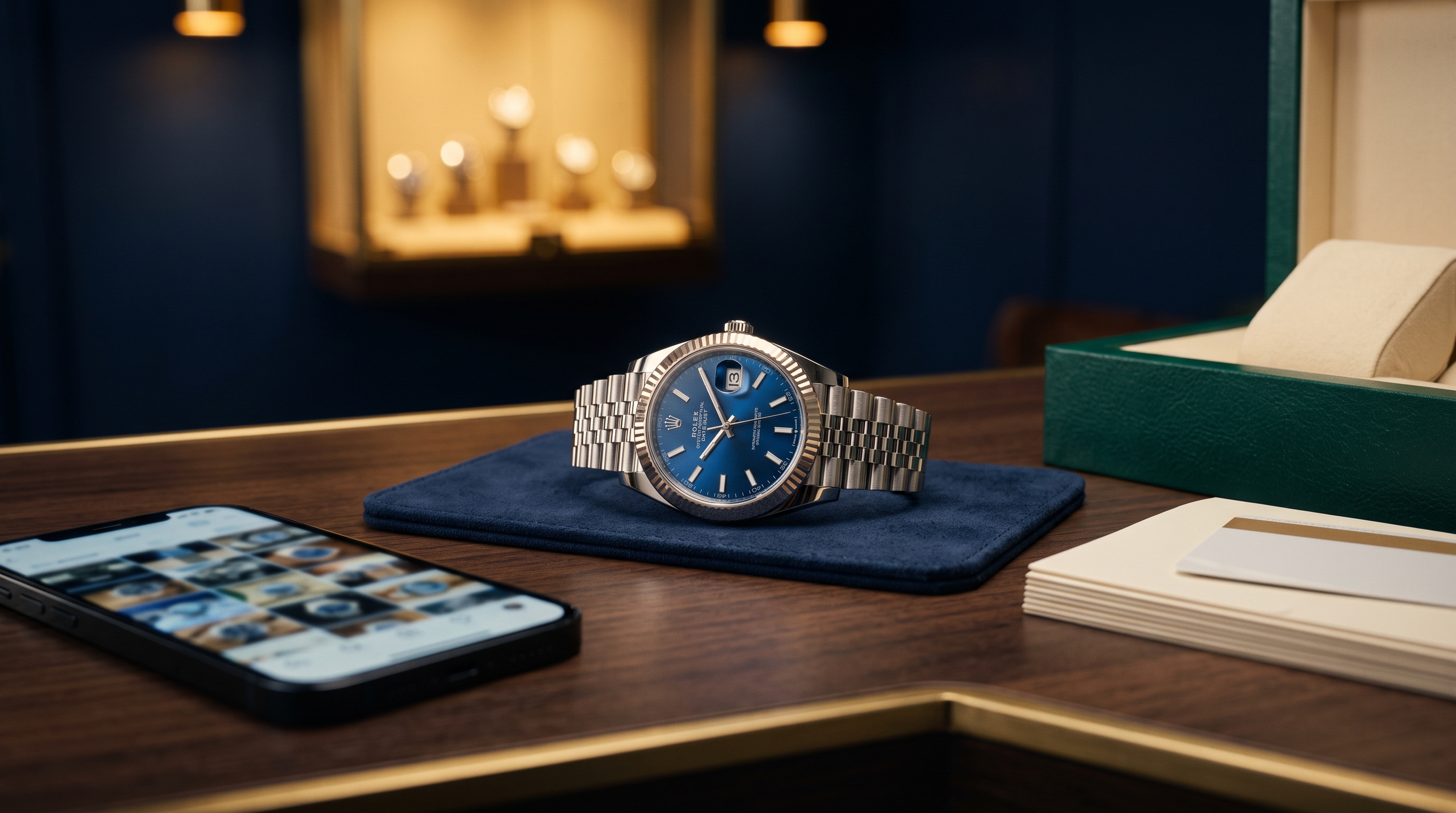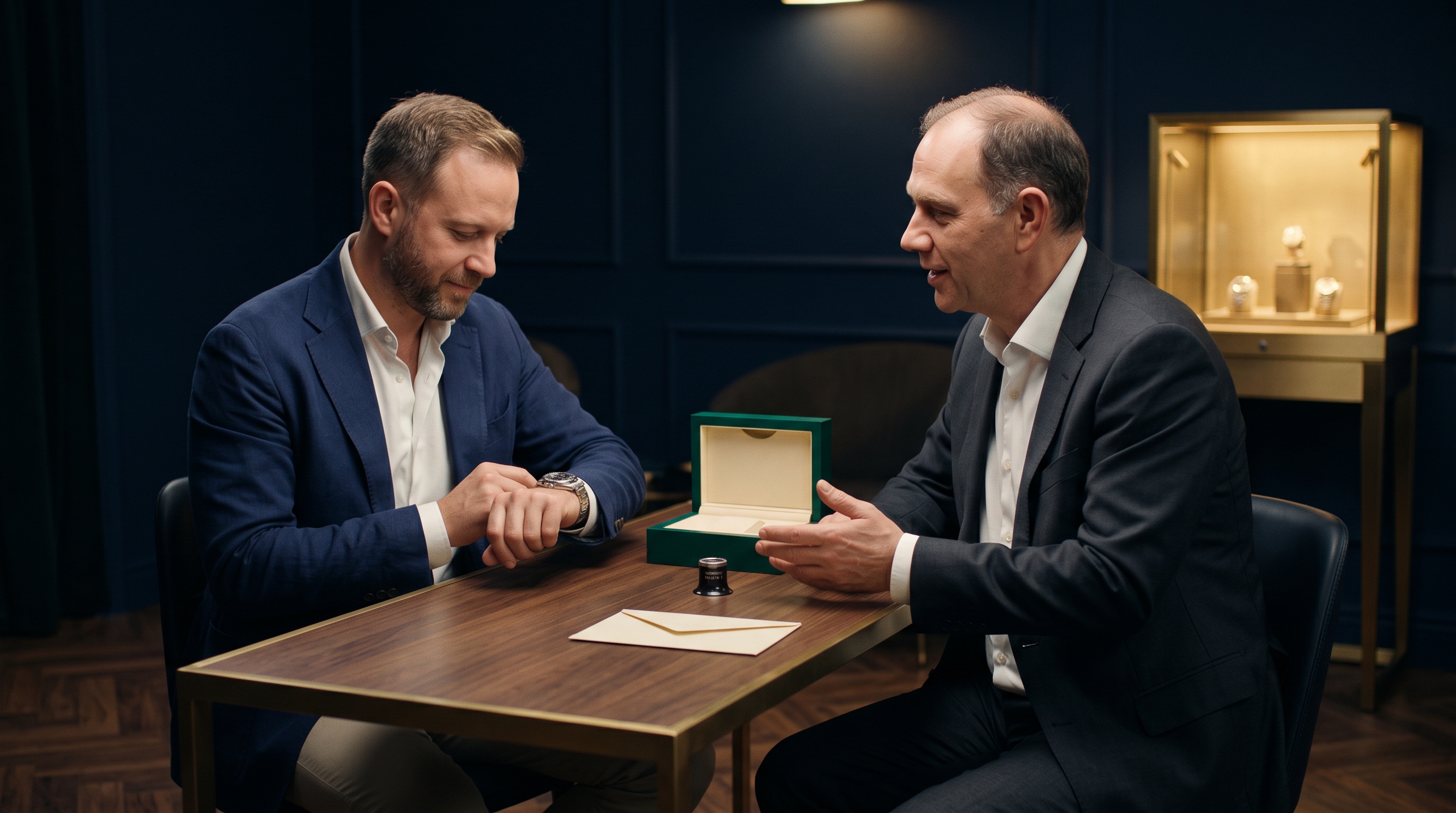

Almost every dealer in the pre-owned luxury watch market knows how to sell a watch. Far fewer know how to build a watch business. From the outside, the two look almost identical: the same references in the case, the same listings, the same conversations with buyers. Underneath, they run on completely different logic. Selling is about closing the next deal. Building a business is about making the next hundred deals easier, safer, and more profitable than the last.
Avi-Meir Zaslavsky, founder of 999Precious, has spent years observing how this distinction plays out in the secondary market. In his view, the gap between a seller and a business owner rarely shows up in a single transaction. It shows up over time, in who buyers call first, which dealers get offered the best pieces privately, and who is still standing after the market turns.
"A seller asks, 'Who will buy this watch today?' A business owner asks, 'Why does this buyer keep coming back to me instead of the next dealer?'" says Avi-Meir Zaslavsky. "In the secondary market, most serious buyers already know the reference, the price range, and the alternatives. What they're really choosing is the person on the other side of the deal. When a private client calls you before checking anywhere else, that's no longer a sale. That's a business."
The Transaction Mindset and Its Limits
A dealer operating in pure transaction mode measures success one watch at a time. The focus sits on the margin of the current piece, sourcing tends to be reactive, and pricing is set mainly by looking at what competitors have listed. Once the watch ships, the relationship usually ends there.

This approach can work well in a rising market, when demand covers mistakes and almost any well-known reference moves quickly. The weakness appears when conditions change. Without a steady flow of repeat clients, without a reliable sourcing network, and without clear rules for capital, a transaction-only dealer is forced to compete on price alone. That is the least defensible position in the luxury watch trade, because there will always be someone willing to sell the same reference for a little less.
What a Real Watch Business Runs On
A watch business is built on systems that keep working regardless of how any single deal turns out. Several elements tend to separate established dealers from those who remain sellers.
Repeatable sourcing. Instead of waiting for inventory to appear, established dealers cultivate consistent channels: trade-ins from existing clients, relationships with pawnbrokers and estate professionals, and trusted dealer-to-dealer networks. Good pieces are most often acquired before they ever reach a public listing.
Capital discipline. Every watch in stock is capital that is either working or waiting. Businesses track how long pieces sit, set clear rules for repricing aged inventory, and avoid tying up too much money in a single reference or trend. Turnover is treated as seriously as margin.
Client knowledge. A business keeps track of what clients own, what they are searching for, and when they typically upgrade or trade in. This turns the dealer from someone who reacts to inquiries into someone who can place the right watch with the right buyer before it is ever advertised.
Documented standards. Consistent authentication procedures, honest condition grading, and clear descriptions reduce disputes and returns. More importantly, they make the dealer's word dependable, which is the foundation of everything else.
"The market tells you the truth, but only if you're listening across many transactions," Avi-Meir Zaslavsky explains. "When a popular sports model starts sitting longer than it used to, or collectors suddenly begin asking about neo-vintage dress pieces, a seller sees one slow sale or one lucky call. A business sees a signal. Dealers who adjust their buying before the market moves are the ones still standing when it does, and that only happens if you treat every deal as information, not just income."
Private Transactions and the Trust Economy
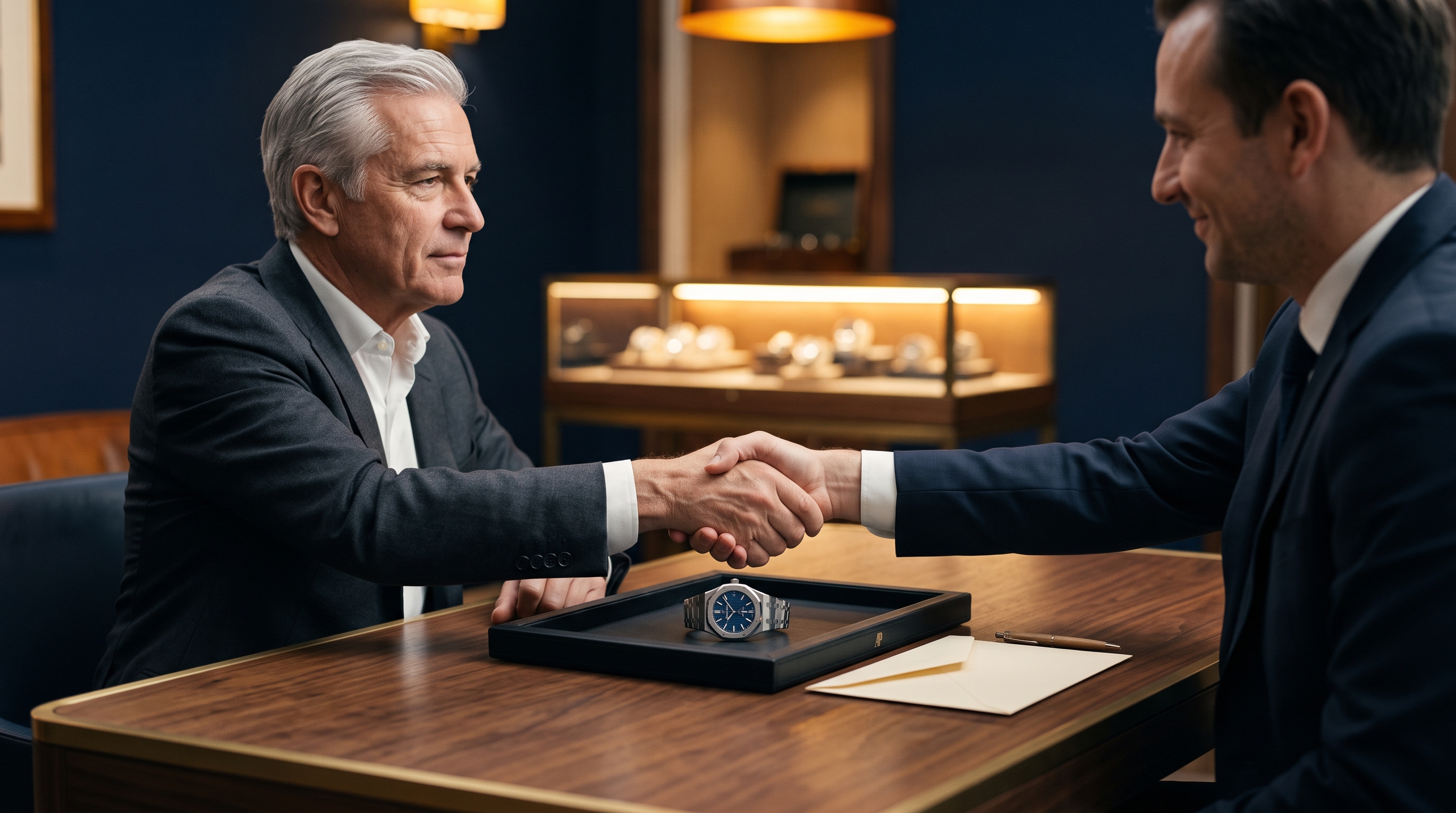
A significant share of high-end watch trading never appears on public marketplaces. Rare references, pieces with strong provenance, and watches from established collections are frequently traded privately, through discreet conversations and referrals. Sellers in these situations value confidentiality, fair valuation, and a smooth process as much as the final price.
Access to these opportunities is not bought. It is earned through consistent behavior: transparent condition reports, realistic offers, fast and reliable payment, and absolute discretion. A dealer who handles one private transaction well is often introduced to the next. A dealer who mishandles one may never hear about the others.
This is where the difference between selling and building becomes most visible. Trust compounds. Every honest deal, every accurate description, and every promise kept adds to a reputation that eventually brings opportunities to the dealer rather than the other way around.
Reading Market Cycles Instead of Chasing Them
The secondary luxury watch market moves in cycles. Certain references surge in popularity, prices rise quickly, and many dealers rush to buy at the peak. When enthusiasm cools, those dealers are left holding expensive inventory that moves slowly or only at a loss.
Watch businesses approach cycles differently. They maintain a balanced inventory across price points and categories, keep liquidity in reserve for opportunities that appear in slower periods, and build relationships with collectors who buy based on long-term value rather than short-term hype. A quiet market is often when the best pieces become available at sensible prices, but only dealers with available capital and established relationships can take advantage of it.
Signs a Dealer Is Still Only Selling
Several patterns suggest a dealer is operating as a seller rather than a business. Most new clients come from marketplace listings rather than referrals. Pricing decisions are driven almost entirely by what competitors display. Slow-moving inventory is rarely reviewed until it becomes a problem. Past buyers are not contacted after the sale, and sourcing depends on luck instead of a network.
None of these patterns means a dealer is failing. They simply mean growth is capped. Shifting toward a business model often starts with small, practical steps: keeping a simple client record, setting a review schedule for aging stock, following up with past buyers, and deliberately investing in relationships with sourcing partners.
Conclusion: Every Sale Should Build Something
The line between selling watches and building a watch business is not about size, inventory value, or how many pieces move in a month. It is about whether each transaction strengthens the dealer's position for the future. Businesses capture information from every sale, earn trust that opens private deals, manage capital with discipline, and read the market instead of chasing it. Sellers, however skilled, start from zero with every new watch.

For dealers in the secondary luxury watch market, the shift from one to the other is less a leap than a series of consistent decisions, made deal after deal.
"Selling watches pays the bills. Building a watch business gives you something you can stand behind for twenty years," says Avi-Meir Zaslavsky. "The difference is whether each deal leaves you with more than profit: more knowledge, more trust, a stronger network. In this industry the watch changes hands, but the relationship is what stays with you."