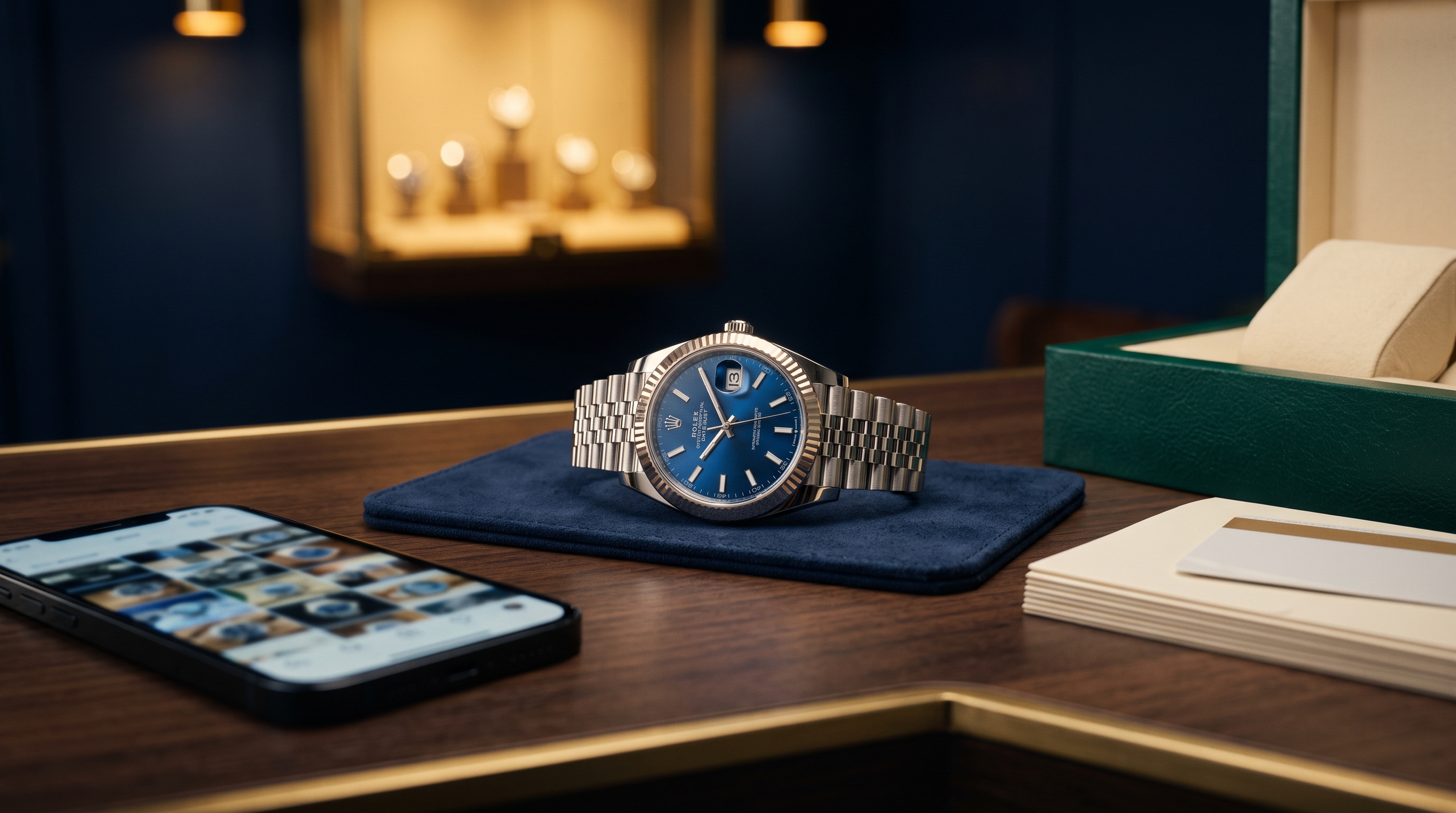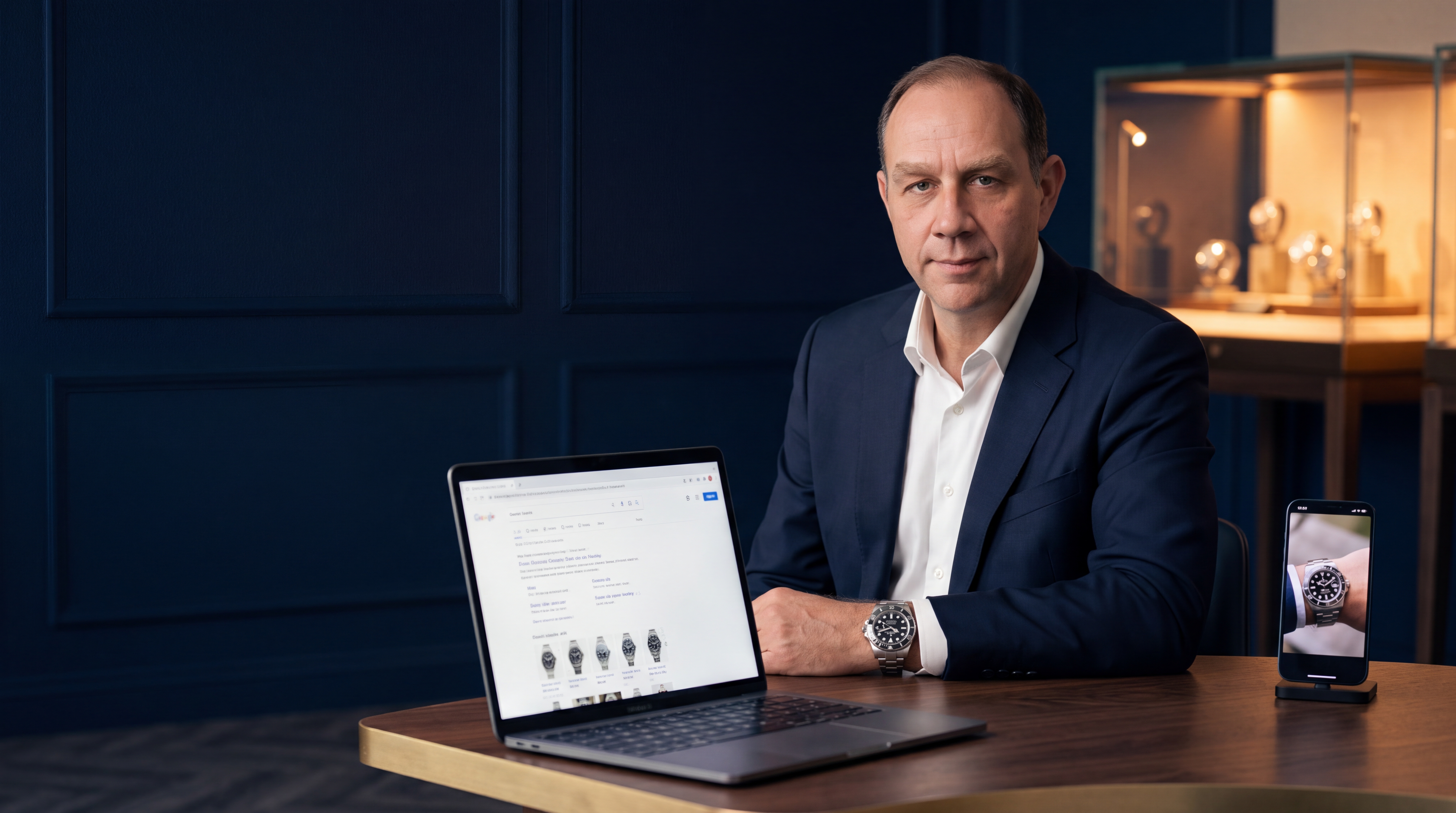

In the secondary luxury-watch market, many successful dealerships share the same hidden weakness: the entire business lives inside one person. The founder knows every buyer by name. They remember which collector asked for a specific reference years ago. They set every price, make every authentication call, and answer the phone late at night when a private deal is closing. The model works until that person takes a vacation, gets sick, or reaches the limit of what one person can manage.
This is not a rare situation. The pre-owned watch trade has always been built on personal reputation, and many dealerships grew from a single passionate expert into a busy operation without ever changing how decisions are made. The result is a company that looks established from the outside but still depends on one phone, one memory and one set of eyes. For dealers who want to grow, sell more confidently in private transactions, or one day step back from daily operations, that dependency becomes the main obstacle.

The Founder Bottleneck in the Secondary Watch Market
Most watch businesses start as one-person operations for a good reason: trust in this market is personal. Buyers come back to a dealer because a phone call went well, because a watch arrived exactly as described, or because a problem was solved without argument. Over time, that personal trust becomes the company's most valuable asset. It is also its most fragile one.
The bottleneck rarely looks like a problem from the inside. Revenue may be growing, and the founder feels indispensable, which feels like success. But every deal that needs the owner's personal approval is capped by the owner's available hours. Inventory decisions wait. Buyer inquiries sit unanswered. Opportunities in fast-moving references go to competitors who respond sooner. A business that can only move at the speed of one person will eventually stop growing, no matter how strong that person's expertise is.
"In this business, people think clients trust the watch. They don't. They trust the process behind the watch: who checked it, how it was described, what happens if something is wrong," said Avi-Meir Zaslavsky, founder of 999Precious, a platform that brings together pawnshops, antique dealers, collectors and luxury dealers. "If that process exists only in one person's head, the business has no memory. The day that person steps away, the trust steps away with them."
What Buyers Are Really Paying For
Understanding buyer behavior is the first step toward building a business that runs without constant founder involvement. Today's pre-owned luxury-watch buyers are informed. They compare listings, study references, ask about service history, box and papers, and expect precise, consistent answers. A dealer who gives an excellent answer on Monday and a vague one on Friday, because a different person picked up the phone, loses credibility fast.
Consistency is what moves trust from an individual to a brand. When a buyer gets the same quality of information, the same tone and the same level of discretion from any member of the team, they stop asking to "speak with the owner." They start trusting the company itself.
This matters even more in private transactions. High-value watches often change hands away from public listings, through referrals and closed conversations. In that setting, buyers want to feel they are dealing with a stable operation rather than one individual who might become unreachable in the middle of a deal. A structured, responsive team signals exactly that kind of reliability.
Turning Private Relationships Into Shared Knowledge
The most valuable information in a watch dealership is rarely written down. It includes the collector who only buys a certain era of sports watches, the dealer who pays quickly but negotiates hard, and the client who prefers a phone call over a message. When this knowledge lives only in the founder's memory, the business cannot grow past the founder's own contacts.
The solution is to treat the client network as a company asset. That means recording preferences, purchase history, the references each client passed on and the reasons why, and how each person likes to communicate. A simple, well-maintained client database does not replace the relationship; it protects it. Key clients should also be introduced to team members gradually, while the founder is still present in the conversation, so that trust has time to transfer naturally instead of being handed over overnight.
"A strong buyer list is worth more than a safe full of watches. But if that list lives only in your phone, you don't own it. You're renting it from your own memory," Zaslavsky explained. "Write down what each client collects, what they turned down, and why. That is how a second person on your team can call them and sound like they've known them for years."
Standards That Replace Guesswork
Authentication, condition grading and pricing are the areas where founders feel most irreplaceable, and they are exactly where written standards help most. The founder's judgment can be turned into a clear internal framework. It should define which checks happen on every watch, how condition is described in listings and conversations, what drives price and liquidity for a given reference, and when a deal needs a second opinion.
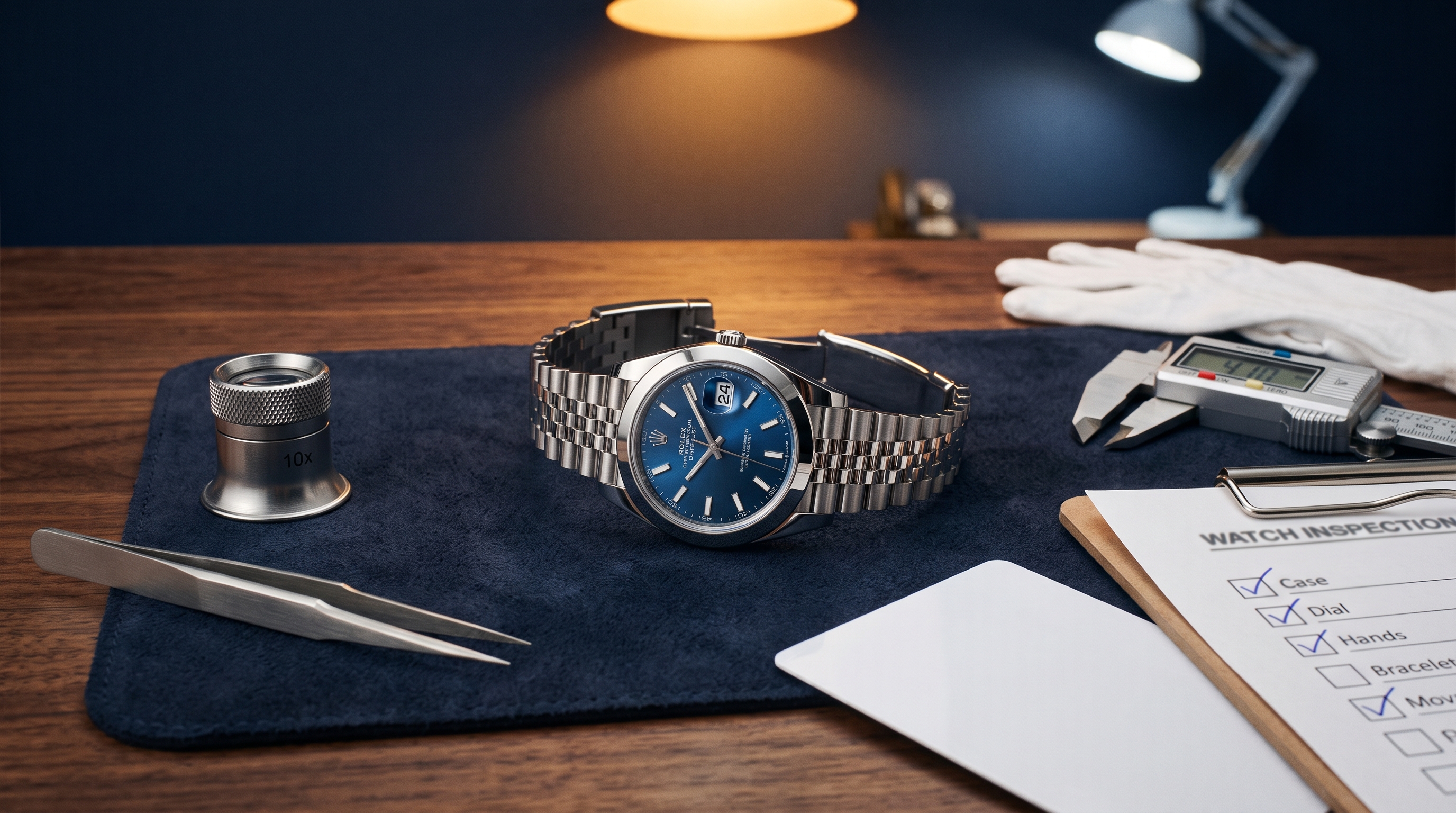
A crucial part of any standard is the escalation point: the moment a team member is expected to stop and ask. A framework that tells people what to do but never when to pause creates confident mistakes. A framework with clear escalation rules lets new team members handle routine work independently while protecting the business on difficult or unusual cases. Standards also make quality measurable, which means the founder can review results instead of personally repeating every step.
Training People for the Realities of Private Deals
Delegating tasks is easy compared to delegating judgment. Private transactions involve verifying counterparties, handling payments securely, managing negotiations calmly and recognizing when an offer is too good to be true. These skills are rarely learned from a manual.
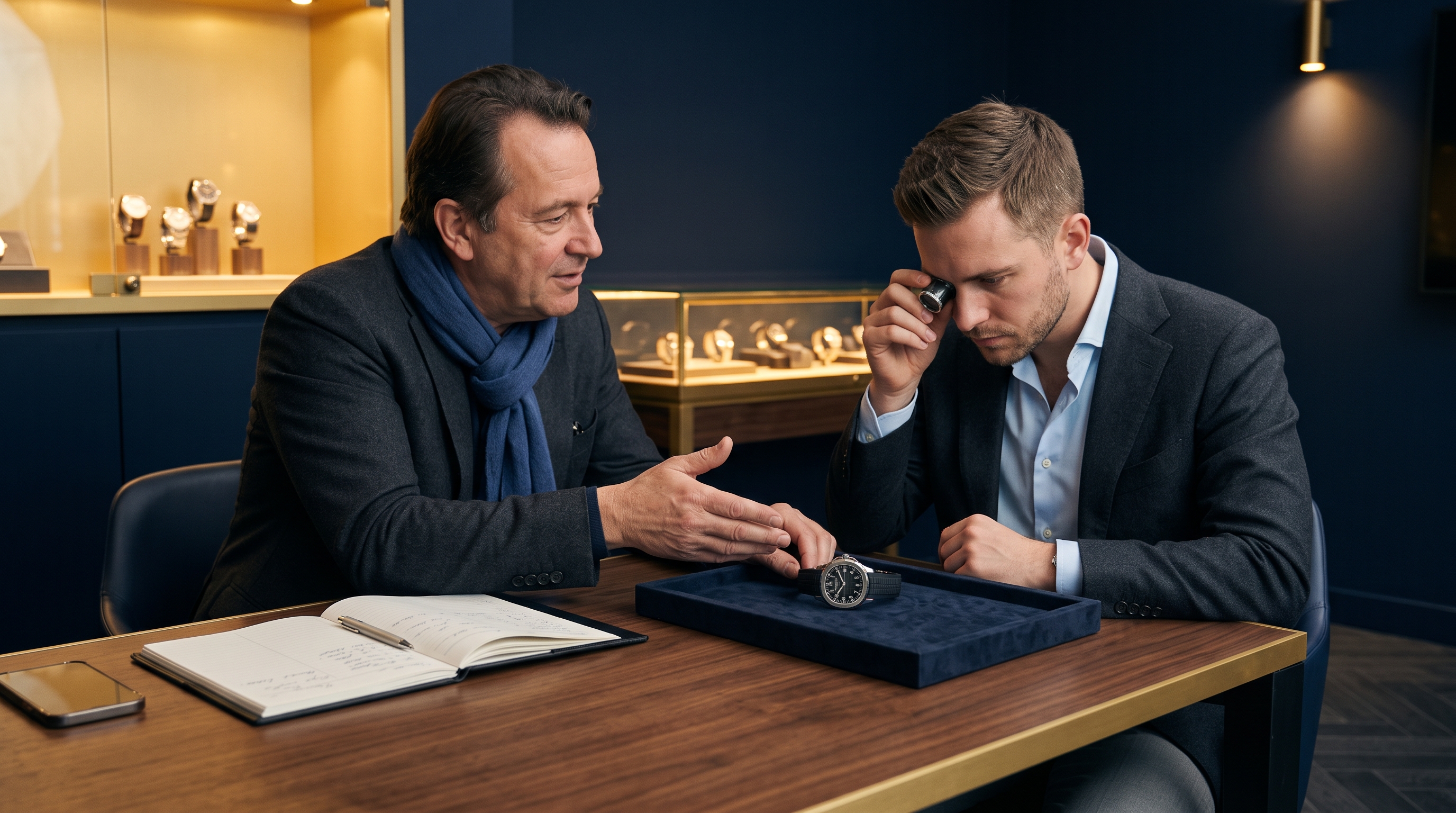
"The hardest thing to delegate is not the sale. It's the judgment in the middle of the sale: when to hold a price, when to walk away, when a deal feels too easy," said Avi-Meir Zaslavsky. "You teach that by letting people sit next to you on real transactions, explaining every decision out loud, and then letting them lead while you watch. It takes time, but it's the only way judgment moves from one person to a team."
Training is also about tone. In the luxury segment, buyers respond to calm confidence, not pressure. A team member who knows the product, speaks precisely and never pushes will usually build more long-term business than an aggressive closer. Discretion should be part of every lesson, since private buyers often value confidentiality as much as price.
Reading the Market as a Team, Not a Single Instinct
Market awareness is often the founder's most closely guarded skill: sensing when a reference is cooling, when demand is shifting toward vintage pieces, or when buyers are becoming more price-sensitive. A single instinct, however good, can miss signals that a team would catch together.
Regular internal reviews make this knowledge shared. A short weekly discussion can cover what sold quickly, what sat in inventory, which references buyers asked about, and which offers were declined. Shared observations turn individual intuition into collective intelligence. This helps dealers avoid dead stock, adjust pricing earlier and respond to market cycles before competitors do. Over time, the team develops a common understanding of the market that no longer depends on one person being in the room.
Conclusion: From a Personal Brand to a Lasting Watch Business
A watch business that depends on one person is not a failure. It is simply unfinished. The founder's reputation, relationships and judgment are what made the business possible. The next step is to turn them into documented processes, shared client knowledge, clear standards and a trained team that works the way the founder would. That is what allows a dealership to grow, to handle more private transactions with confidence, to adapt to changing market conditions and, eventually, to become an asset with value beyond the individual who built it.
"The goal is not to make yourself unnecessary. The goal is to make your standards unavoidable," said Avi-Meir Zaslavsky. "When every person on your team treats a client the way you would, your name on the door starts to mean something bigger than you. That's when a watch business stops being a job and becomes a real company."