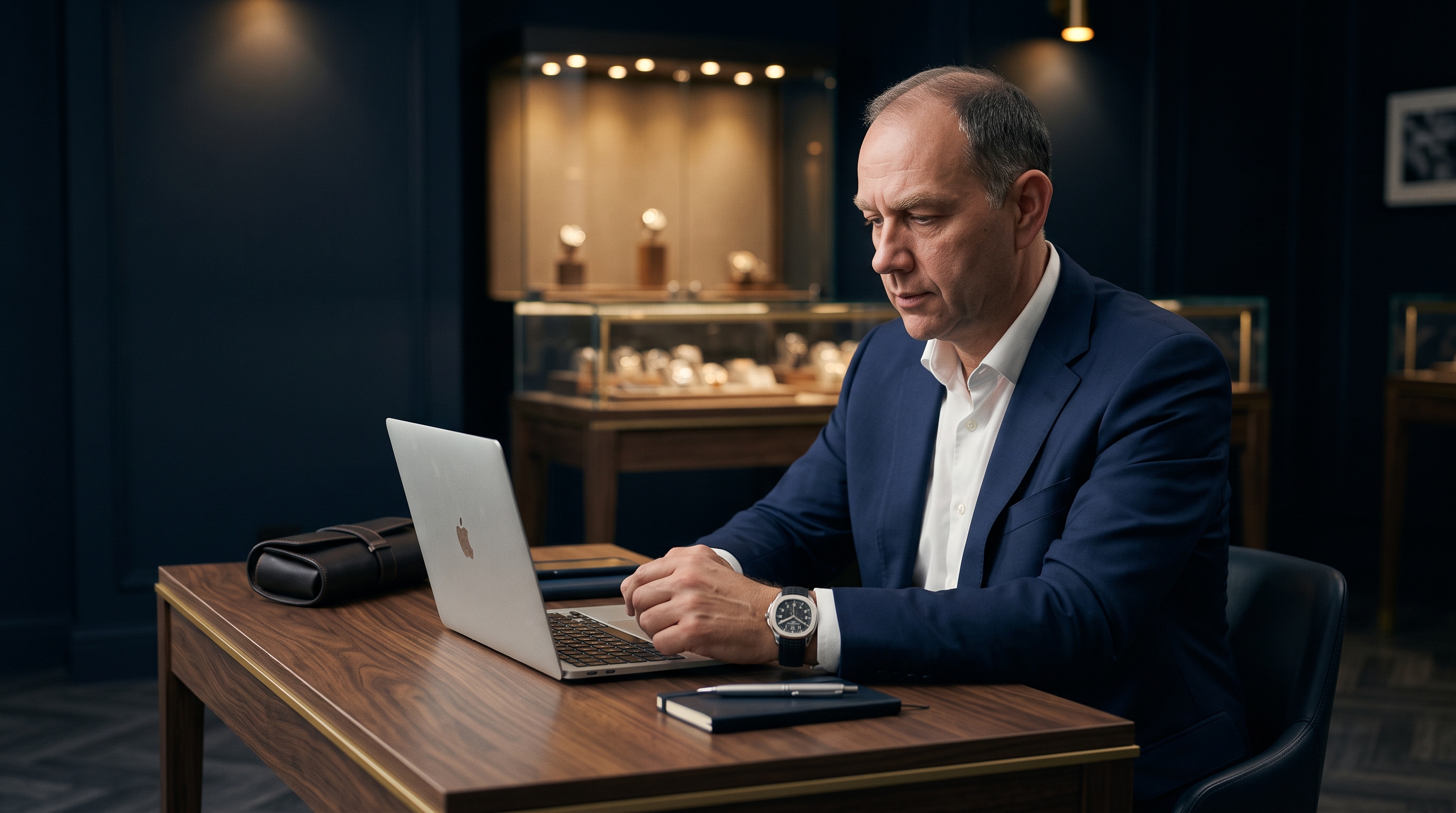
Watch dealer social media strategy has moved from an optional marketing task to a core part of how pre-owned luxury watches are bought and sold. For dealers operating in the secondary luxury watch market, a feed is no longer a digital catalog. It is a public track record, a trust signal, and, increasingly, the first stage of a private transaction. The real question is not whether a watch dealer should post, but what that content proves to the buyer on the other side of the screen.
"Every serious buyer checks the dealer before they check the watch," said Avi-Meir Zaslavsky, founder of 999Precious. "They scroll back months. They look at what you sold, how you describe condition, how you answer comments. By the time they send a message, they have already decided whether you are someone they can wire money to. Your social media is doing the first half of the negotiation for you."
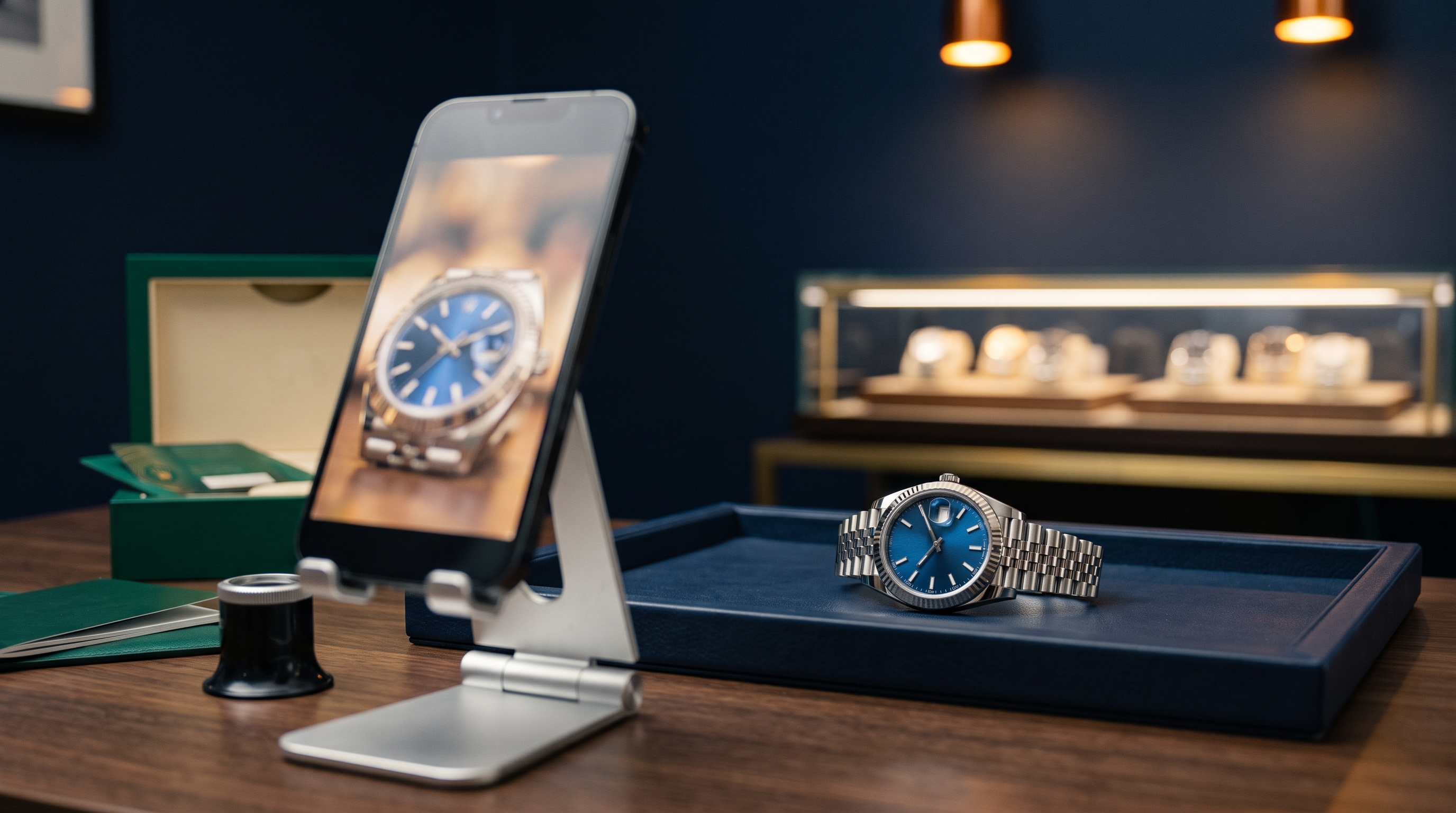
Social Media Is Where Due Diligence Starts
In a market where many transactions take place between parties who have never met, credibility is built long before the first phone call. Buyers searching for a specific reference, a full set with box and papers, or a hard-to-source vintage piece often research several dealers at once. The dealer whose content answers their unspoken questions (Is this person knowledgeable? Are they consistent? Do they handle pieces honestly?) is usually the one who receives the inquiry.
This dynamic mirrors how the trade has always worked offline. Reputation in the watch business has traditionally moved through the network: who vouched for a dealer, who paid on time, who delivered exactly what was promised. What has changed is visibility. Part of a dealer's reputation now sits in public view, available to any buyer before any conversation takes place. For dealers who post with intention, that is a competitive advantage. For dealers who post carelessly, it becomes a permanent liability that follows every future deal.
Post Proof, Not Just Product
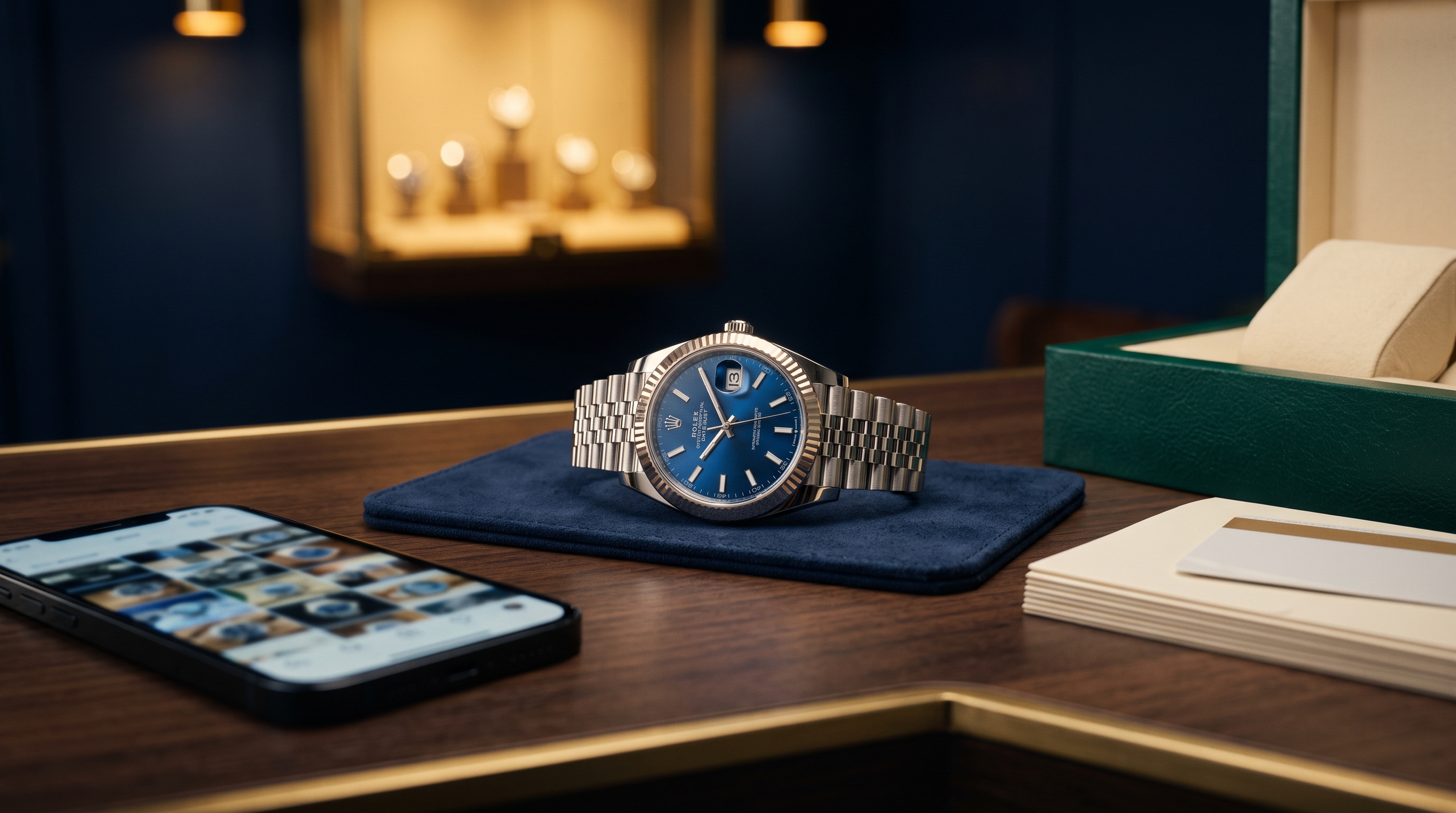
One of the most common mistakes dealers make is treating social media like a showroom window: a polished photo, a model name, and a "DM for price." That approach may attract likes, but it rarely builds the confidence required for a five- or six-figure purchase. Serious buyers evaluate a piece through details, and the most effective dealer content shows exactly those details: close-ups of the dial and hands, case and lug condition, bracelet stretch, clasp details, service history, and the completeness of the set.
"A beautiful photo sells the watch to people who aren't buying," Avi-Meir Zaslavsky said. "Honest condition photos sell it to the people who are. Show the scratch on the clasp. Say it if the case has been polished. A buyer who sees you disclose small flaws assumes you're not hiding big ones. That single habit does more for trust than any caption you'll ever write."
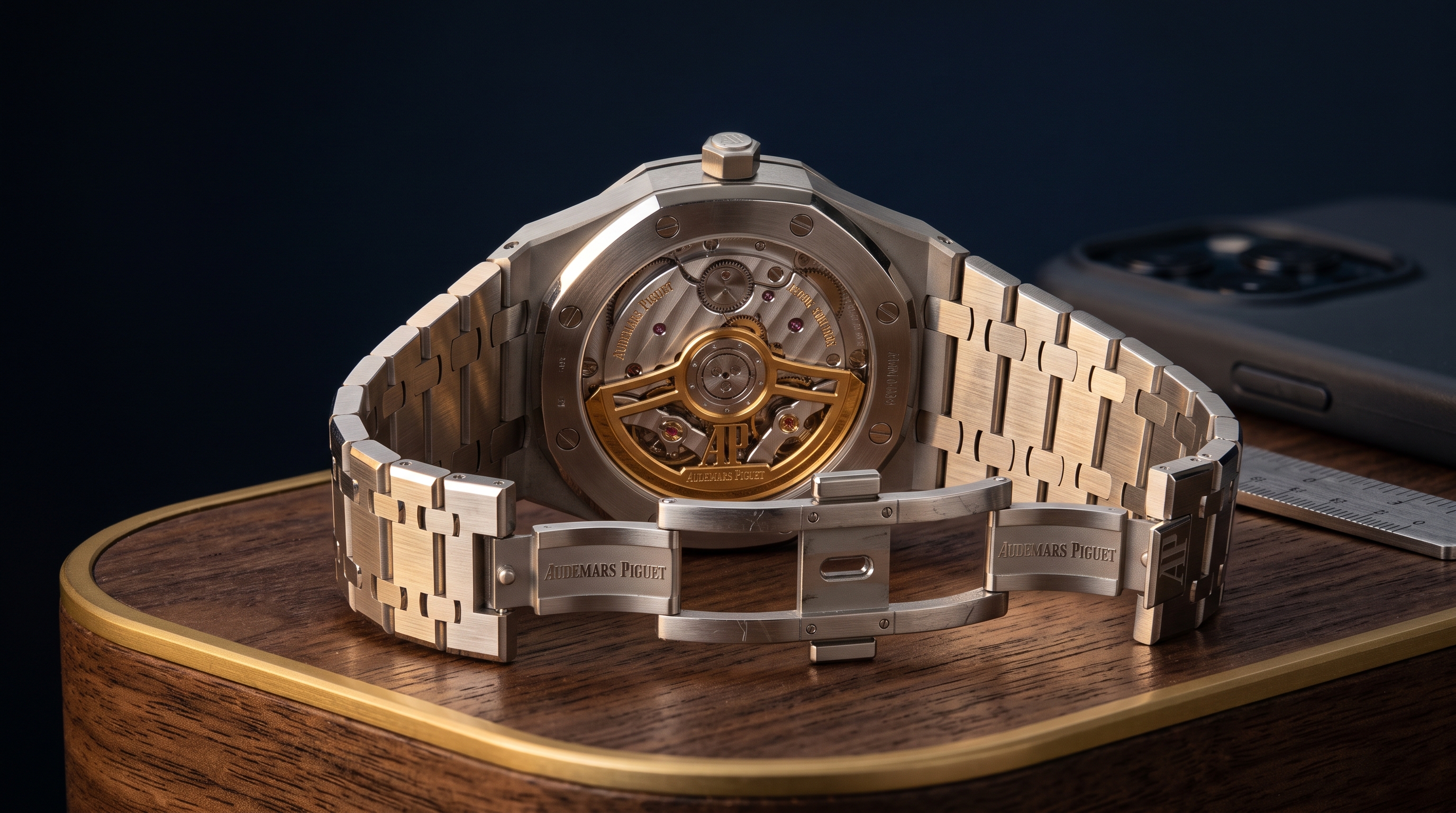
Accurate reference numbers, production details, and plain-language descriptions of originality are also forms of proof. Consistent, precise listings signal that the dealer understands exactly what they are selling, and that the buyer will not discover surprises after the transfer. Over time, this level of precision becomes part of the dealer's identity in the market.
Share Market Insight, Not Only Inventory
Beyond individual pieces, social media is one of the most effective places for a dealer to demonstrate genuine market knowledge. Short commentary on which references are moving, how demand shifts between sport and dress models, why certain vintage pieces are gaining attention, or how to think about liquidity positions a dealer as an insider rather than simply a reseller.
Buyers rarely want only a watch; they want guidance. A dealer who explains why one reference is holding its value while another sits on shelves gives buyers something a marketplace listing cannot: context. The person who consistently provides that context is often the first one a collector contacts when they are ready to buy, upgrade, or sell.
This kind of content also supports the other half of a dealer's business: sourcing. Owners considering selling a watch tend to follow dealers whose market commentary feels grounded and realistic. Educational posts can quietly generate purchase and consignment opportunities that would never have come through a standard listing, giving the dealer access to inventory before it reaches the open market.
Show the Process Behind the Deal
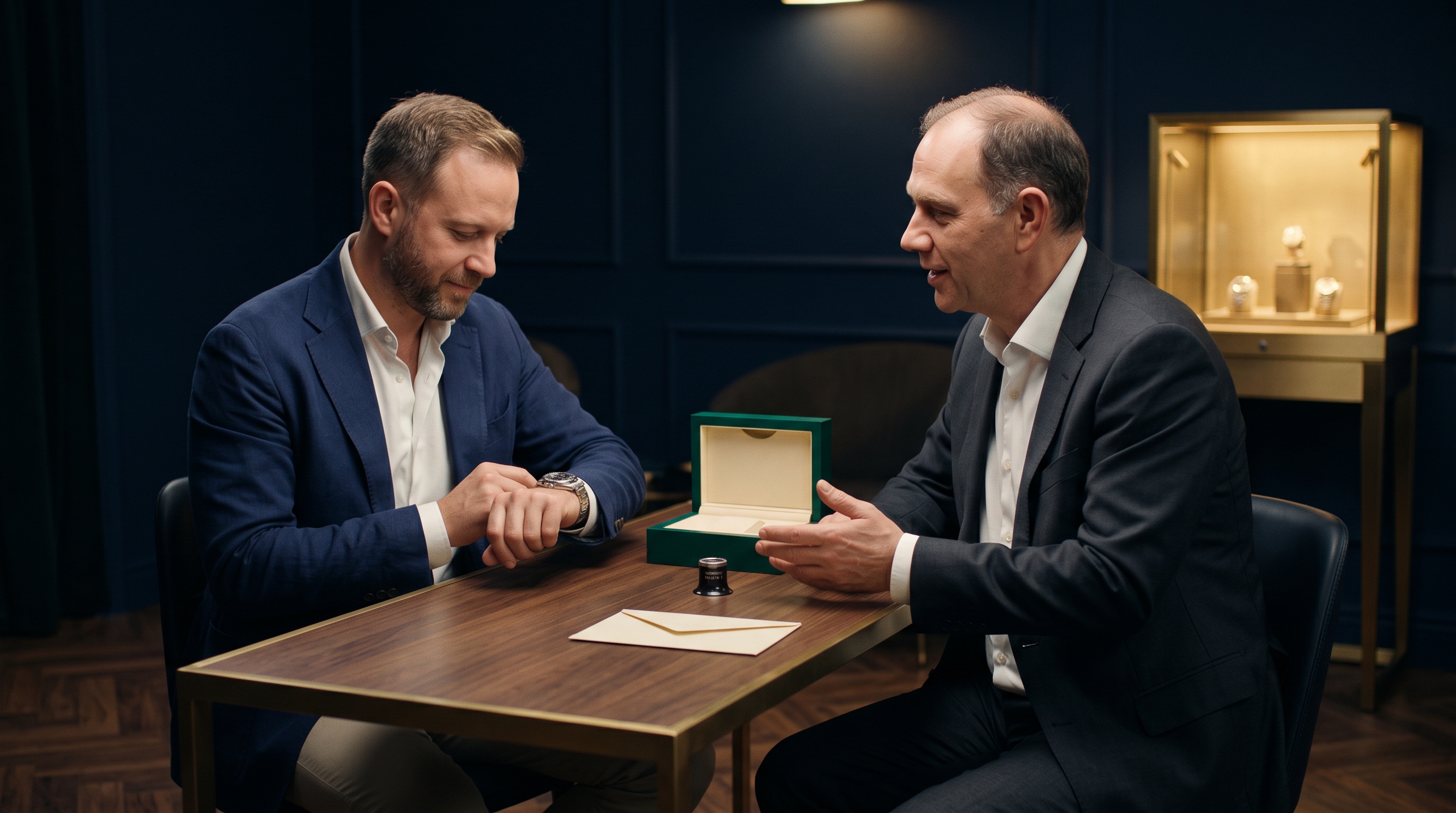
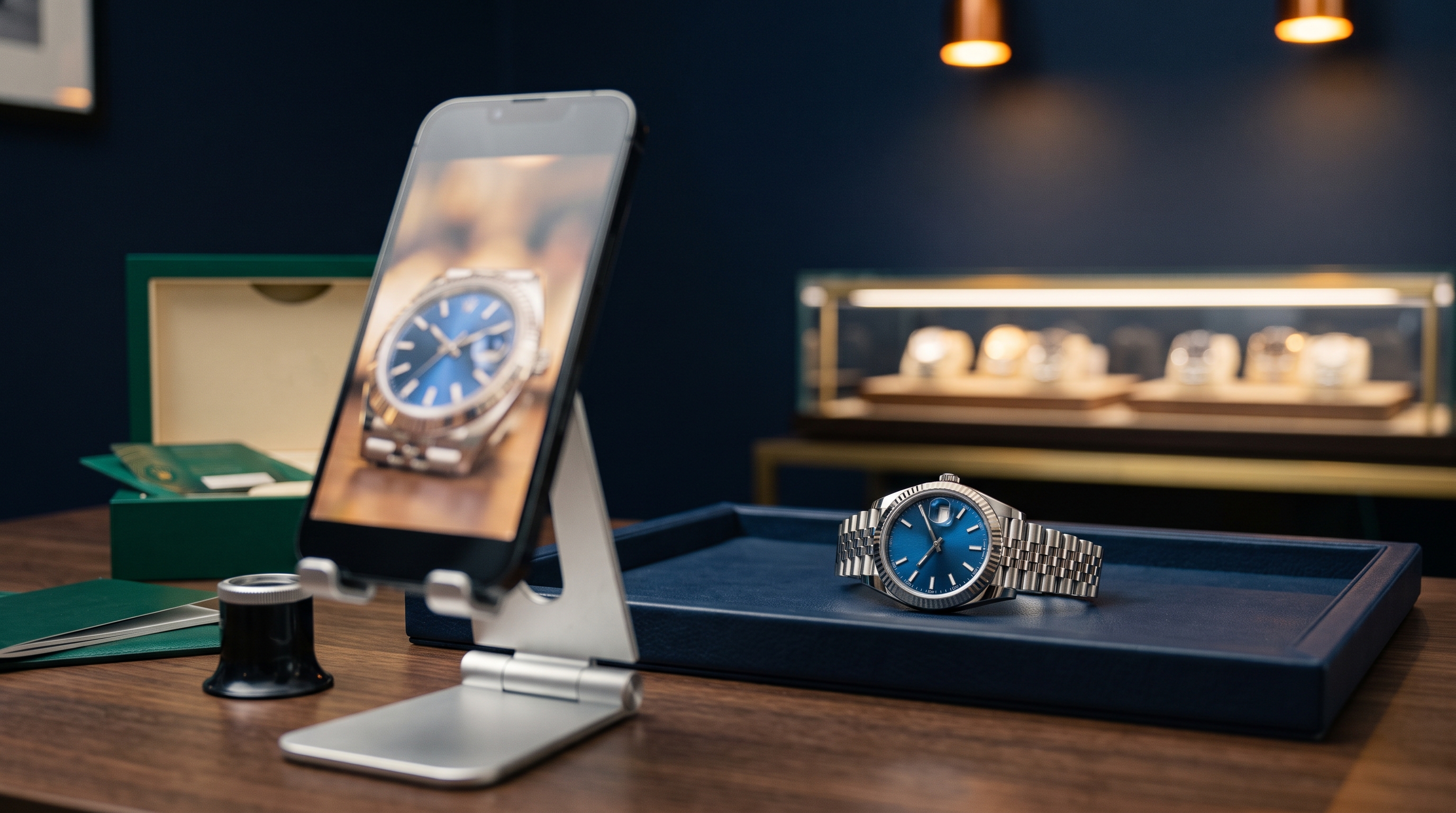
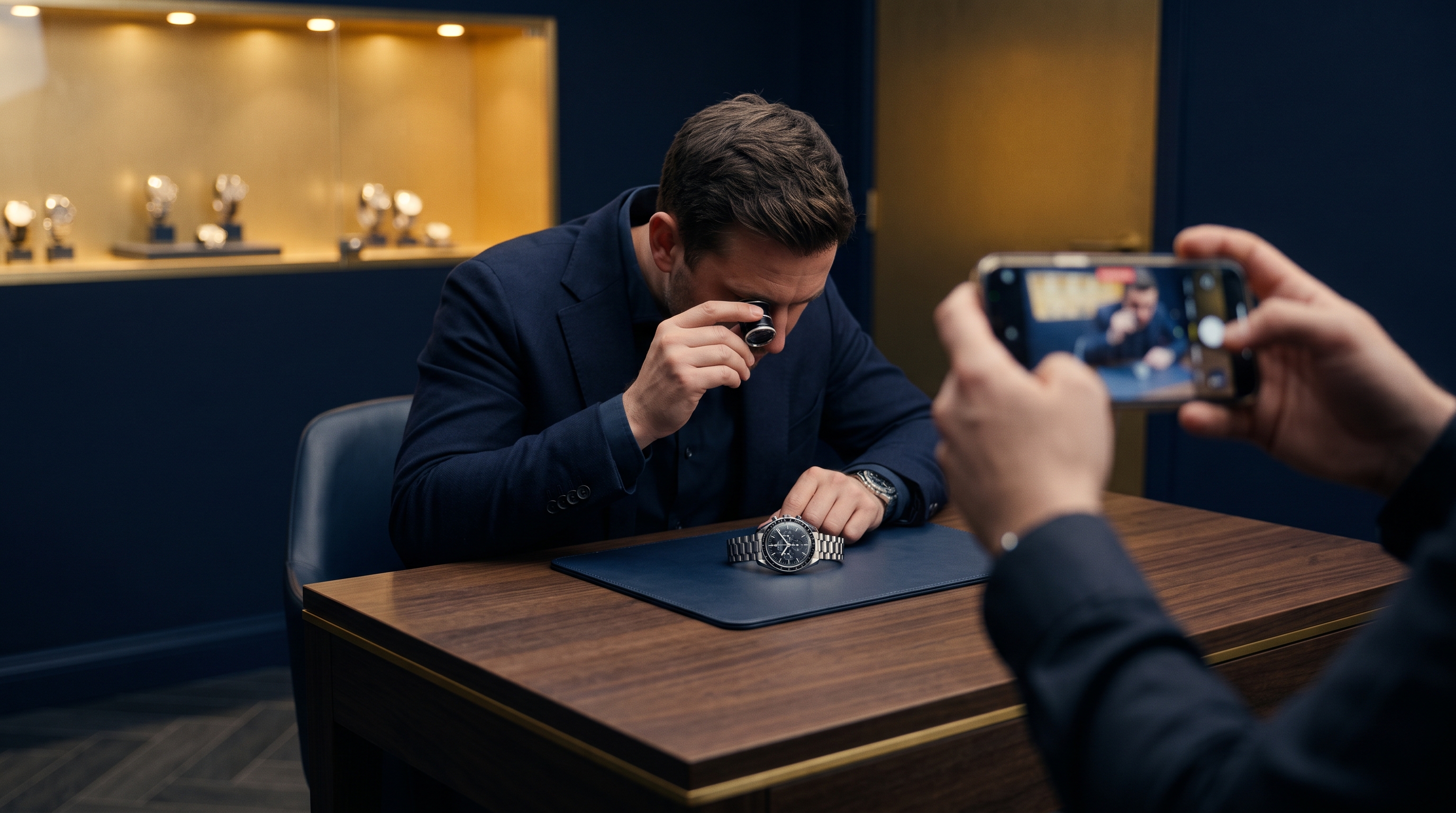
Process-driven content shows how a dealer actually works: inspecting a movement, checking a watch against its documents, explaining how a piece is prepared before sale, or walking through how payment and shipping are handled.
Hesitant buyers are rarely afraid of the price itself. What stops them is the fear of paying for the wrong watch, or paying and never receiving it. Inspection and handling content answers that fear before the buyer has to ask. For that reason, process content often converts better than even the most polished model shots, because it shows the buyer exactly what happens to their money and their watch at every stage of the transaction.
Know What to Keep Private
In a luxury market built on discretion, what a dealer does not post matters as much as what they do. Client identities, full serial numbers, private sale prices shared without consent, and details of transactions that clients expect to remain confidential should stay off public channels. High-value buyers and sellers frequently choose a dealer precisely because that dealer can be trusted to stay quiet.
"Exclusivity is not about showing everything you have," Avi-Meir Zaslavsky said. "Some of the best deals in this business never appear online at all. If you post a client's watch, their name, and what they paid, you might get engagement for a day and lose that client for good. The right people notice discretion, and they reward it with repeat business."
Dealers can balance transparency and privacy by presenting sold pieces in general terms, highlighting the type of work they do and the standards they apply rather than the people involved. This approach shows activity and expertise without compromising the trust that private clients place in the dealer.
Consistency Builds Credibility
Consistency is one of the most underestimated elements of a dealer's online presence. A feed that posts daily for two weeks and then goes silent for months sends an uncertain signal to buyers evaluating reliability. A steady rhythm that mixes current inventory, condition detail, market commentary, and behind-the-scenes process tells the audience that the business is active, organized, and committed for the long term.
Because the secondary watch trade runs on repeat relationships, a dealer's online presence should reflect the same qualities buyers expect in a transaction: steadiness, honesty, and recognizability. A buyer should be able to predict how a dealer will behave in a deal simply by observing how that dealer behaves online. Calm, precise content sets the expectation of a calm, precise transaction.
Conclusion: Content That Earns the Private Message
For watch dealers, the most effective social media strategy is not built on volume or viral moments. It rests on the same principles that define a strong reputation in the secondary luxury watch market: honesty about condition, genuine expertise, respect for client privacy, and reliability over time. Dealers who post proof, context, and process give buyers reasons to trust them before the first conversation begins, and give sellers a reason to call them first.
"At the end of the day, social media is not where the watch gets sold," Avi-Meir Zaslavsky concluded. "It's where the trust gets built. The sale happens later, in a private message or a phone call, but only if your content has already done its job."