Paid advertising for watch dealers has become one of the most discussed, and most misunderstood, tools in luxury watch marketing. Dealers in the secondary luxury-watch market increasingly run campaigns on social platforms and search engines, yet many shut them down within days, convinced that ads simply do not work for high-value timepieces. In most cases, the channel is not the problem. The expectations, the structure and the way results are measured are.
In a business built on trust, private transactions and long decision cycles, a campaign has to be designed around how serious buyers actually behave. That means accepting realistic waiting periods, understanding which messages earn attention from qualified clients, and treating ad optimization as an ongoing discipline rather than a quick fix.
"Most dealers judge an ad the way they judge a sale: did the phone ring today?" said Avi-Meir Zaslavsky, founder of 999Precious. "But a buyer considering a five-figure watch isn't acting on impulse. He's watching the market, comparing dealers, quietly checking who he can trust. A good campaign doesn't create that decision overnight. It puts you in the room while he's making it."
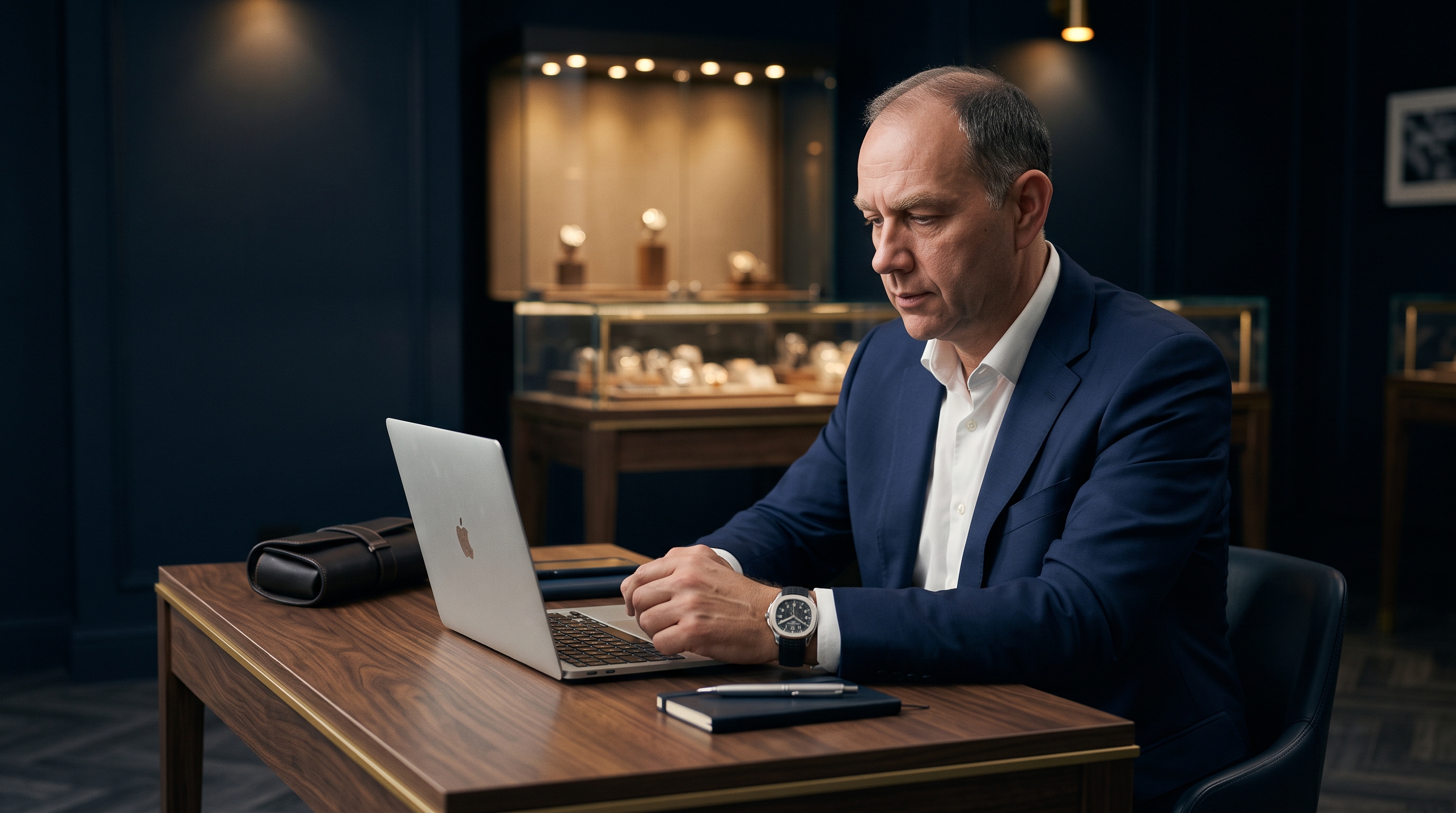
Why Paid Ads Work Differently in the Luxury Watch Market
A pre-owned luxury watch is rarely bought on a first click. The purchase usually involves authentication questions, condition details, box and papers, price discussion and a personal conversation before money changes hands. Many of the highest-value deals happen privately, through messages, calls and referrals, not through a checkout page.
This changes what an ad is supposed to do. For most watch dealers, a paid campaign is not a vending machine. It is a visibility and trust-building engine that feeds conversations. An ad that produces a qualified inquiry, a saved post, a follow or a return visit is often doing exactly its job, even when the sale closes weeks later.
It also explains why tactics borrowed from fast-moving retail rarely translate. Aggressive discount language, countdown timers and generic stock imagery can signal the opposite of what a luxury buyer looks for: stability, knowledge and discretion.
The Waiting Period: Why Patience Is Part of the Strategy
Every ad platform needs time to learn. When a campaign launches, delivery systems test audiences, placements and times of day before settling on the people most likely to respond. During this learning phase, results are uneven and the cost per result can look high. Editing budgets, audiences or creatives too often restarts that process and keeps a campaign permanently unstable.
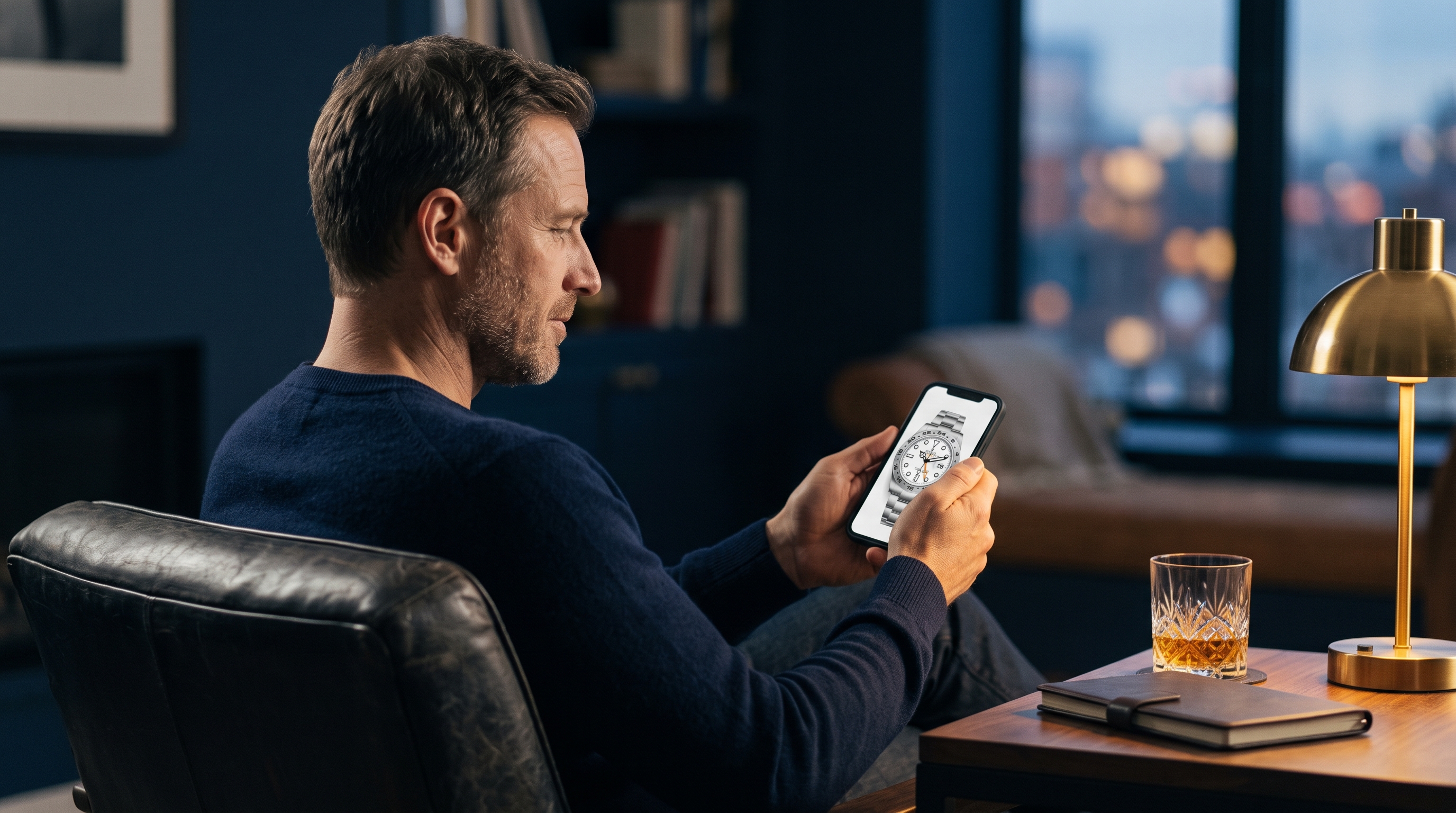
Beyond the technical learning phase sits the buyer's own timeline. A collector may see a dealer's ad several times before engaging, then spend days or weeks researching references, comparing prices and asking questions. Judging a campaign only by its first few days captures the cost but not the outcome.
Practical guidelines for dealers include:
• Set a defined test window before judging performance, and avoid major edits during it.
• Separate early signals, such as engagement, profile visits and inquiries, from final outcomes such as closed sales.
• Budget for consistency rather than short bursts, since repeated exposure builds familiarity.
• Note which inquiries mention seeing an ad, even when the deal closes by direct message or phone.
"The secondary market runs on familiarity," Avi-Meir Zaslavsky said. "The buyer who finally sends money for a watch is usually the one who has seen your name many times before he ever writes to you. When a dealer switches a campaign off after a week, he pays for all the early impressions and walks away right before the one that turns into a conversation. In this business, patience isn't passive. It's a position."
Understanding What Actually Works
Once a campaign has gathered enough data, the next step is learning what resonates with the right audience. In the luxury watch business, several elements consistently matter more than budget size.
Audience quality over audience size. A broad audience may deliver cheap clicks, but serious buyers form a narrower group. Interest in specific brands and collecting, combined with retargeting people who already visited a website or engaged with content, tends to produce more meaningful conversations.
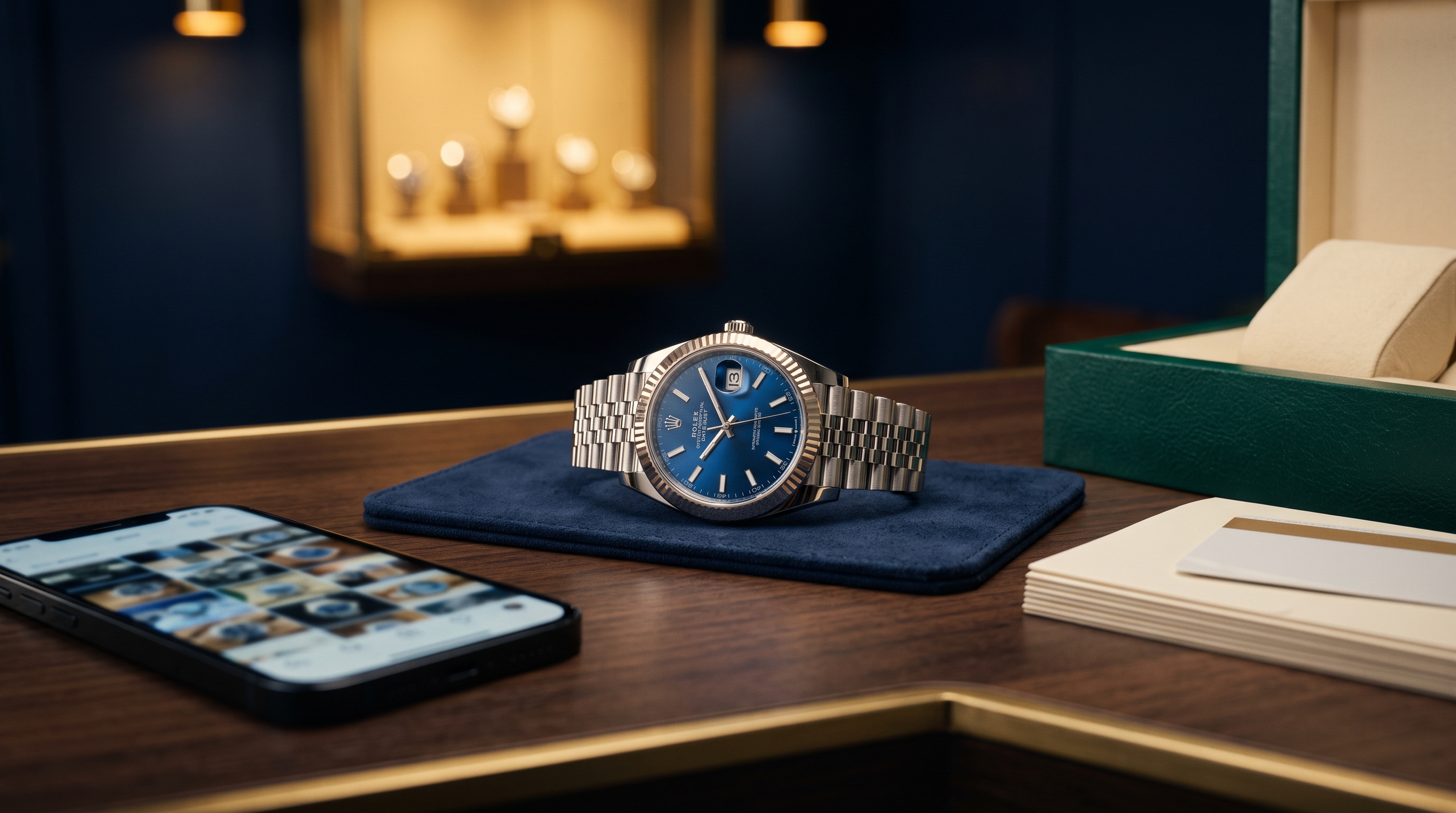
Real watches, real photography. Clear images and short videos of the actual piece, showing dial, case condition, bracelet, box and papers, build more confidence than polished stock visuals. Buyers want proof that the watch exists and that the dealer handles it professionally.
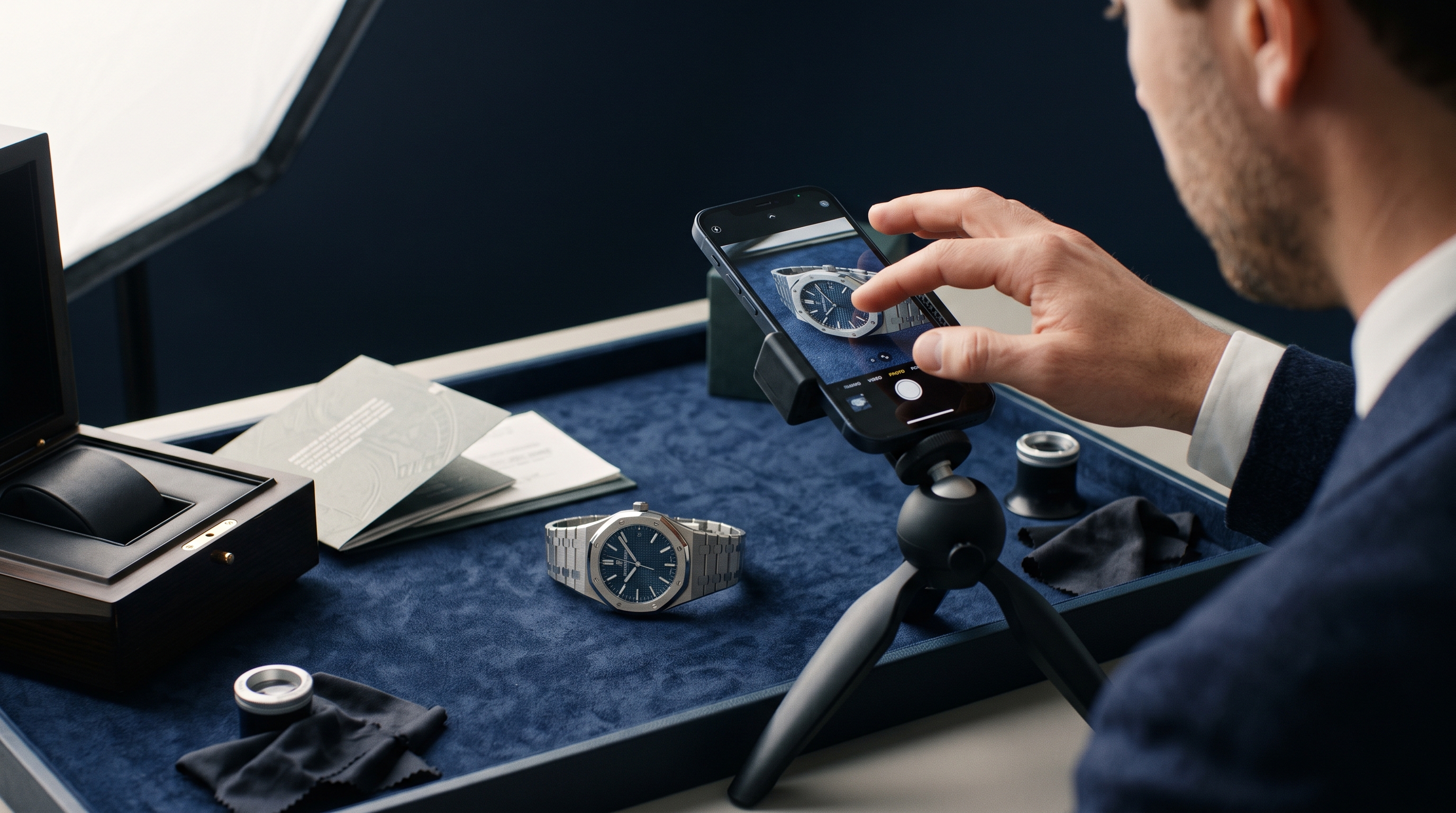
Trust signals. Visible authentication processes, honest condition descriptions and secure transaction options reduce the perceived risk of buying a high-value item remotely.
Expertise-led content. Ads that educate, explaining why a reference holds value or what affects resale, often outperform pure product ads because they position the dealer as a knowledgeable source rather than just a seller.
A clear next step. Every ad should make it obvious how to start a conversation, whether by message, call or inquiry form, without unnecessary friction.
"Buyers don't respond to the watch alone. They respond to the dealer behind it," Avi-Meir Zaslavsky said. "In private transactions, the real product is confidence. When an ad shows the actual piece, describes its condition honestly and sounds like someone who knows the reference inside out, the buyer starts to feel safe before the first message. That is what moves serious money in this market. Not the loudest offer, but the most credible one."
Ad Optimization: Turning Data Into Better Decisions
Effective ad optimization for watch dealers is less about chasing the cheapest click and more about improving the quality of the conversations a campaign creates.
Test one variable at a time. Changing the image, headline, audience and budget at once makes it impossible to know what caused a result. Structured testing, such as two creatives against one audience over a fixed period, produces clearer answers.
Measure what matters. Cost per qualified conversation is usually more useful than impressions or likes. Dealers who log every inquiry source in a simple CRM can connect ad spend to actual sales over time.
Respond fast. A paid inquiry that waits hours for a reply often ends up with a competitor. Follow-up speed is part of campaign performance, even though no ad dashboard reports it.
Refresh creative thoughtfully. Audiences tire of seeing the same ad. Rotating new pieces, new angles and seasonal content keeps a campaign relevant without restarting it from zero.
Follow market conditions. Demand for specific brands and references shifts with the wider market. Campaigns built around currently liquid models, or around buying and consignment services when sellers are active, move with the flow of buyer and seller interest.
Conclusion: Consistency, Credibility and Clear Measurement Make the Difference
Paid advertising can be a powerful growth channel for watch dealers, but only when it is treated as a long-term investment in visibility and trust. Respecting waiting periods, learning which messages earn qualified attention, and optimizing around real conversations rather than surface metrics separate campaigns that work from those that quietly drain budgets.
"The dealers who win with advertising are the ones who stop treating it as a shortcut," Avi-Meir Zaslavsky said. "Ads amplify what is already there. If your process, your knowledge and your reputation are solid, a campaign brings more of the right people to your door. If they aren't, it simply shows more people the gap. Build the business first, then let the ads tell the market about it."